
Bird
Domestic Goose
Anser anser domesticusAlso known as Farmyard Goose, Domestic Greylag Goose, Barnyard Goose
Domestic geese are plump, heavy-bodied waterfowl valued for thousands of years as effective guard animals, pasture grazers, and farmyard poultry. Ganders maintain strict vigilance over their flock, sounding loud trumpeting honks and displaying erect neck postures whenever strangers or predators approach. They graze efficiently on grassy fields, using serrated bill edges to clip shoots close to root level.
DomesticatedWaterfowlVocal
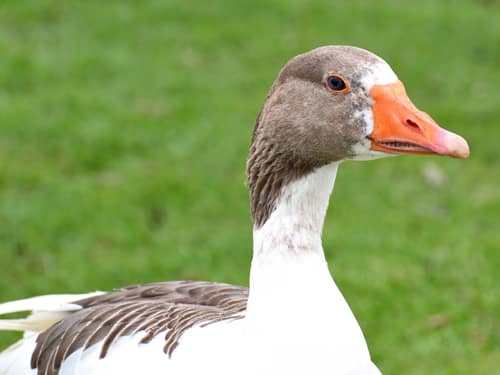
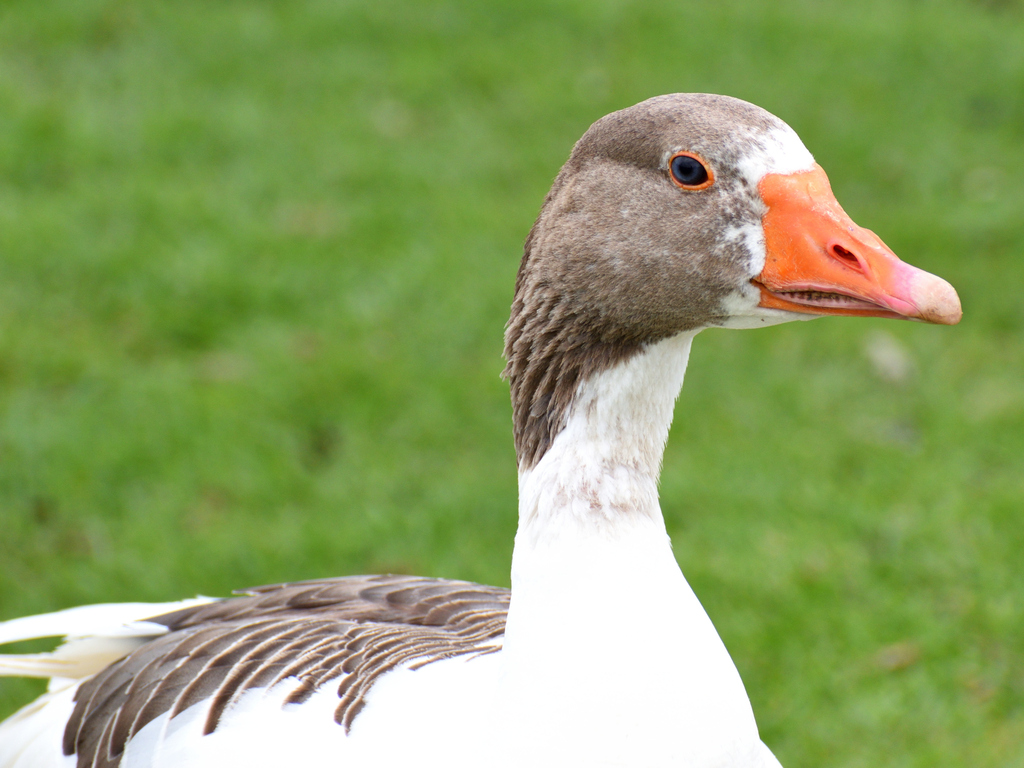
—observations
—countries
—peak records
Not EvaluatedConservation statusIUCN Red List categoriesLCNTVUENCREWEXNot Evaluated — not placed on the risk ladderRed List categories, explained →
Diet & preyGrasses, Grains, Aquatic Vegetation
Predators
- Red Fox
- Coyote
- Domestic Dog
ThreatsMammalian predators, harsh winter exposure, and avian diseases
HabitatsPastures, farms, ponds, parks, and wetland margins
Life span15–25 years
Classification
- OrderAnseriformes
- FamilyAnatidae
- GenusAnser
- SpeciesAnser anser domesticus
Range data is not available yet.
Interaction riskLow
- Low
- Moderate
- High
- Very high
- Why interaction risk is low
- Ganders defend nests aggressively with bites and wing strikes; maintain a safe distance.
- Why it is dangerous
- Ganders become territorial during spring breeding, delivering painful bites with serrated bills and striking with powerful wing joints.
- How to recognize a risky encounter
- Look for a heavy-bodied, often pure white or mottled grey waterfowl with a stocky neck, bright orange bill, and upright stance.
- What to do
- Give nesting pairs plenty of space and avoid cornering birds or approaching young goslings.
Responsible observation
- Give Space: Keep a calm distance, especially around breeding pairs guarding nests or goslings.
- Watch Body Language: Lowered head, outstretched neck, and loud hissing indicate an impending defensive charge.
- Do Not Hand Feed: Hand-feeding encourages pushy behavior and can lead to accidental bites from serrated bills.
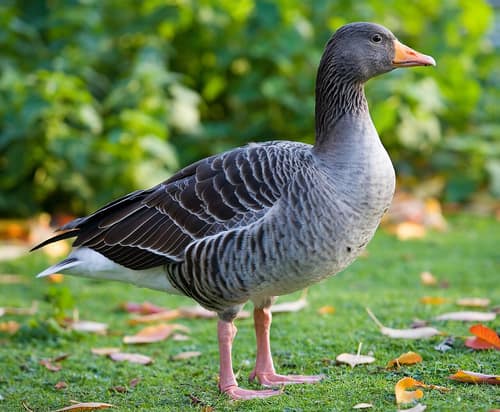
Wild Ancestor Diliff / CC BY-SA 3.0 · cc-by-sa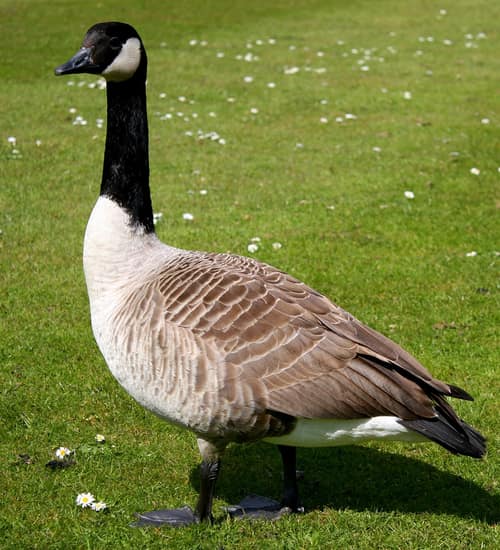
Co-occurring Waterfowl Rror / CC BY-SA 3.0 · cc-by-sa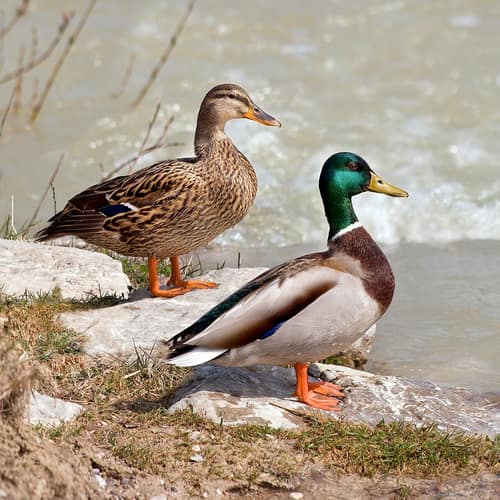
Co-occurring Waterfowl This picture was realized by Richard Bartz by using a Canon EF 70-300mm f/4-5.6 IS USM Lens / CC BY-SA 2.5 · cc-by-sa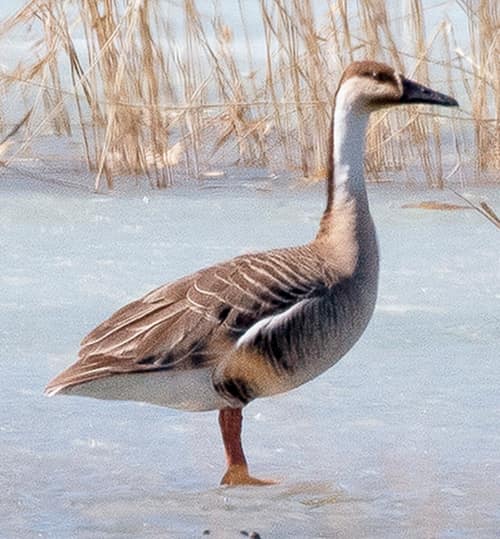
Close Relative grihahasanov / CC BY 4.0 · cc-by
Help improve the field guideSomething wrong?
Checking your Fauna account…Report a name, category, or profile issue for review.