
Mammal · GBIF taxon 9375959
Columbian Mammoth
Mammuthus jeffersoniiAlso known as Jefferson's Mammoth
Columbian mammoths roamed the open savannas and parklands of Pleistocene North America, using immense spiral-curved tusks to sweep aside debris, scrape bark, and assert dominance within matriarchal herds. Equipped with tall, high-crowned molar teeth laced with dense enamel ridges, individuals consumed hundreds of kilograms of grasses, sedges, and shrubs each day. Their massive foraging helped sustain open grassland ecosystems until climate shifts and human hunting led to their disappearance roughly 11,000 years ago.
Ice AgeHerbivore
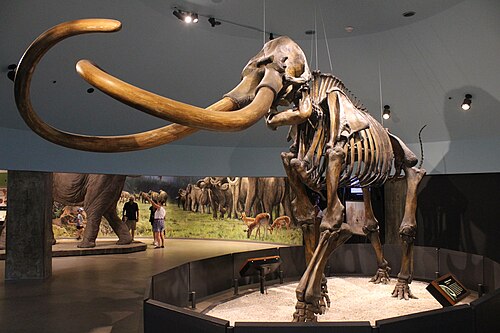
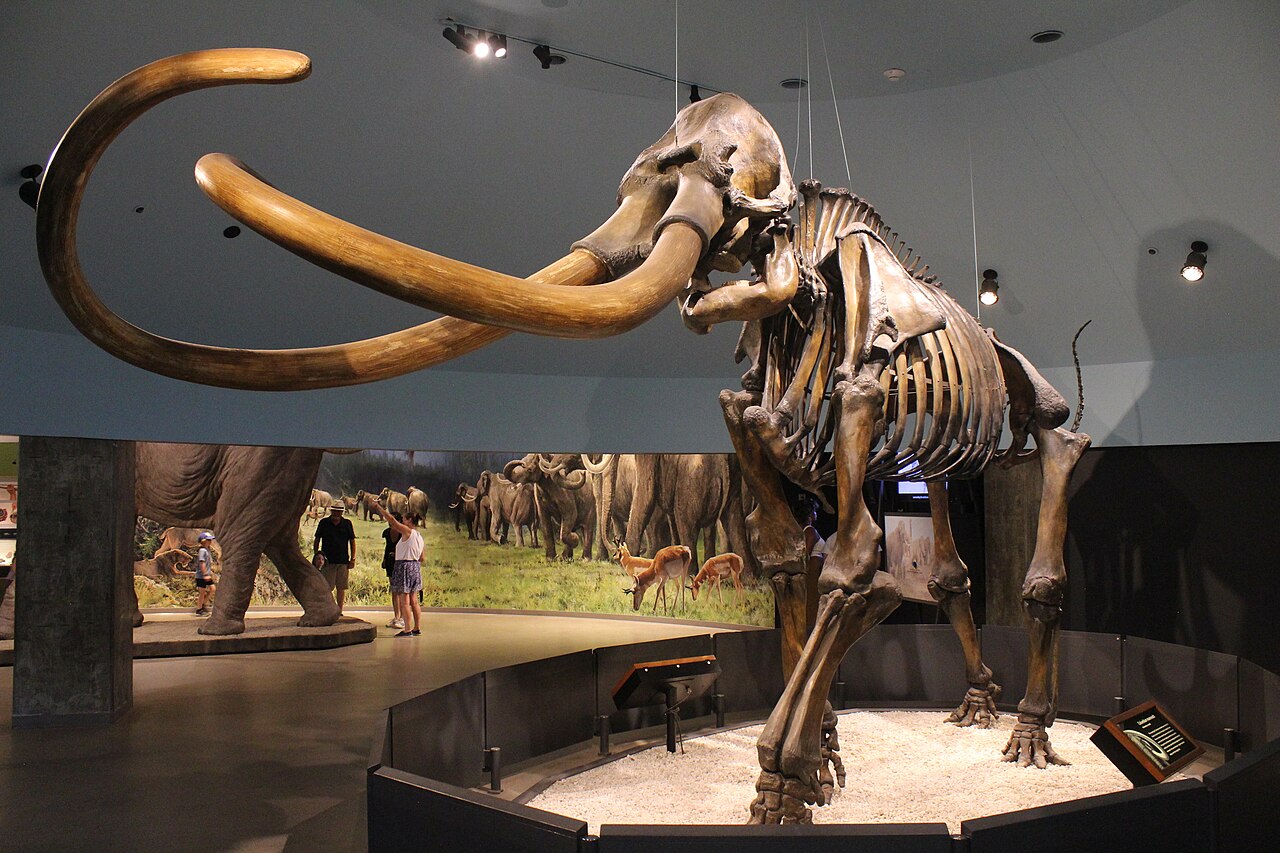
Licensed referenceJonathan Chen / CC BY-SA 4.0 · cc-by-sa
—observations
—countries
—peak records
ExtinctConservation statusIUCN Red List categoriesLCNTVUENCREWEXExtinctRed List categories, explained →
Diet & prey
- C4 grasses
- Sedges
- Woody browse
Predators
- Clovis hunters (Homo sapiens)
- Sabertooth cat (Smilodon fatalis)
- Dire wolf (Aenocyon dirus)
ThreatsLate Pleistocene climate change and human hunting (extinct)
HabitatsGrasslands, savannas, shrublands, and open parklands
Life span60–70 years
Classification
- FamilyElephantidae
- SpeciesMammuthus jeffersonii
Range data is not available yet.
Interaction riskLow
- Low
- Moderate
- High
- Very high
- Why interaction risk is low
- Extinct species known only from fossil remains; poses no active hazard.
Responsible observation
- Fossil Identification: Look for tall, flat-topped molars with closely packed enamel loops to distinguish them from mastodons.
- Museum Etiquette: Observe mounted skeletal displays and fossil casts from marked barriers without touching fragile specimens.
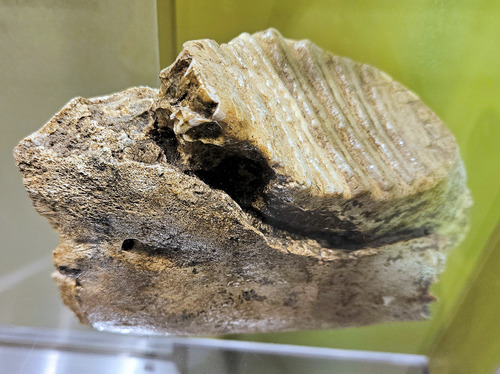
Direct Descendant (c) Eric Polk, some rights reserved (CC BY-SA) · cc-by-sa Image unavailable
Ancestor 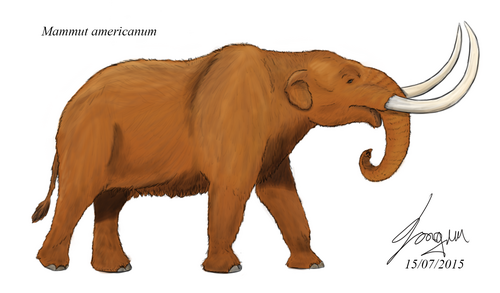
Ecological Neighbor (c) Joaquin Eng Ponce, some rights reserved (CC BY-SA) · cc-by-sa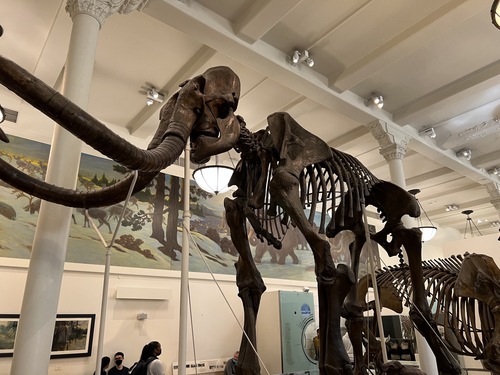
Close Relative no rights reserved, uploaded by mionectes · cc0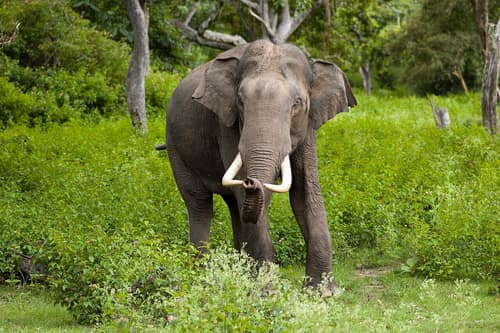
Closest Living Relative Yathin S Krishnappa / CC BY-SA 3.0 · cc-by-sa
Help improve the field guideSomething wrong?
Checking your Fauna account…Report a name, category, or profile issue for review.