
Reptile · GBIF taxon 9357542
Brahminy Blindsnake
Indotyphlops braminusAlso known as Flowerpot Snake, Hawaiian Blind Snake, Common Blind Snake, Brahminy Blind Snake
Brahminy blindsnakes spend virtually their entire lives underground, tunneling through loose soil and moist leaf litter in search of subterranean insect nests. Because the entire population consists of triploid females reproducing via obligate parthenogenesis, a single unfertilized egg transported in nursery potting soil can establish an entire flourishing colony. Their tiny vestigial eyes detect light intensity rather than images, while a smooth cylinder of overlapping scales lets them glide through worm tunnels with minimal friction.
FossorialParthenogeneticNocturnal
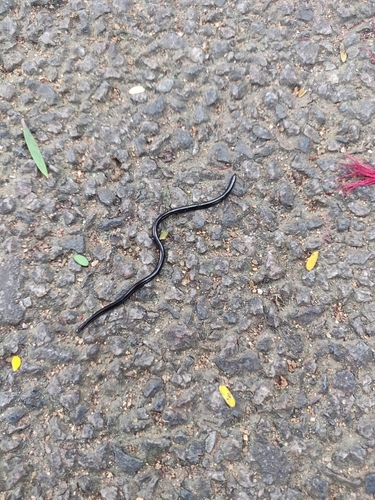
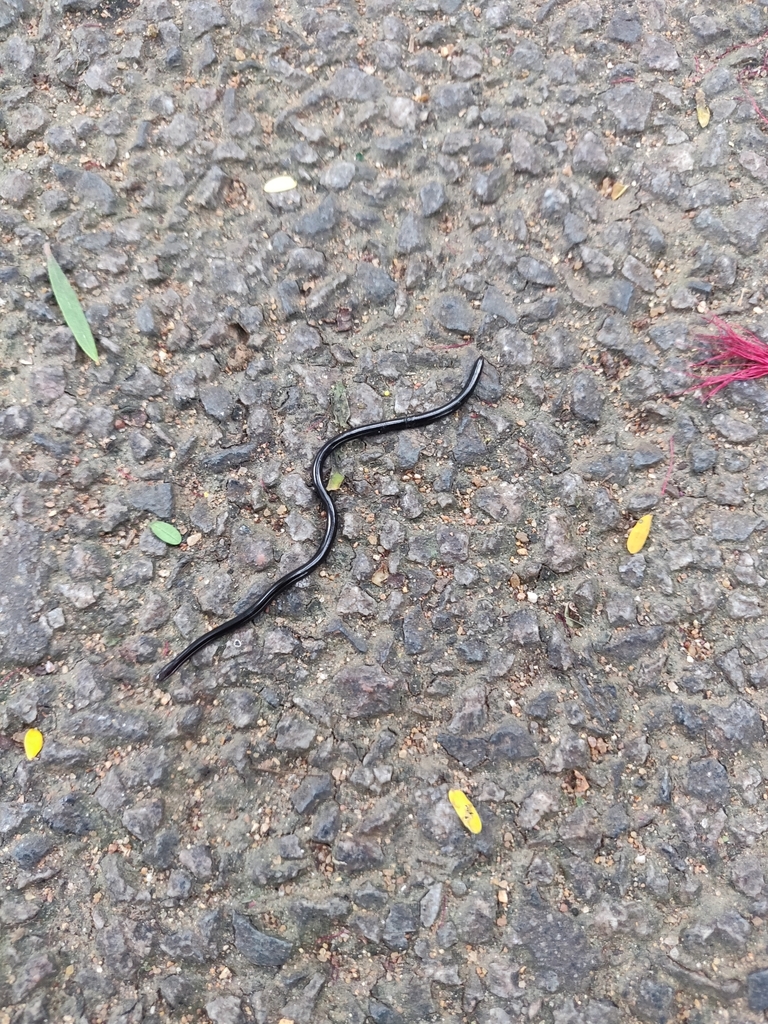
—observations
—countries
—peak records
Least ConcernConservation statusIUCN Red List categoriesLCNTVUENCREWEXLeast ConcernRed List categories, explained →
Diet & prey
- Ant Eggs and Pupae
- Termite Nymphs
- Beetle Larvae
Predators
- Domestic Chicken
- Cane Toad
- Wolf Spider
ThreatsHeavy pesticide application, soil compaction, and predation by invasive fire ants.
HabitatsMoist soils, agricultural fields, gardens, potted plants, and forest leaf litter.
Life span3–7 years
Size / weightNot available
Classification
- FamilyTyphlopidae
- GenusIndotyphlops
- SpeciesIndotyphlops braminus
Range data is not available yet.
Interaction riskLow
- Low
- Moderate
- High
- Very high
- Why interaction risk is low
- Safe to observe at a normal distance.
Responsible observation
- Soil Inspection: Gently sift through damp compost or overturned potted plants to spot them.
- Handling Precaution: Avoid picking them up, as their tiny bodies easily desiccate in dry air.
 Image unavailable
Ecological Equivalent 
Mimicry Model (c) alicia penney, some rights reserved (CC BY), uploaded by alicia penney · cc-by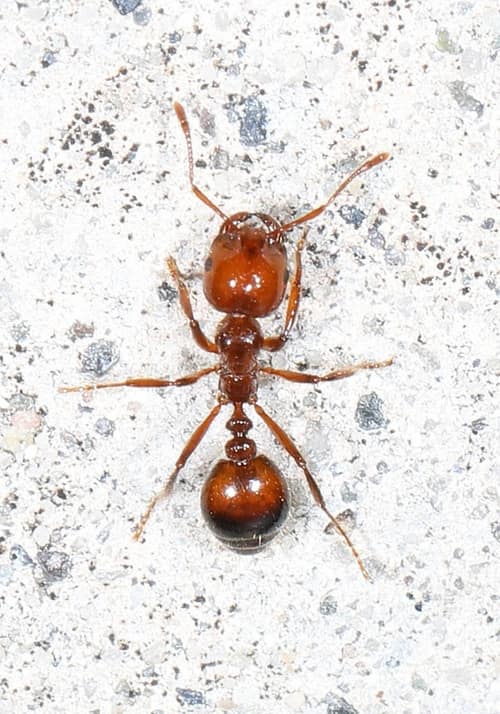
Competitor (c) Judy Gallagher, some rights reserved (CC BY) · cc-by
Help improve the field guideSomething wrong?
Checking your Fauna account…Report a name, category, or profile issue for review.