
Mammal · GBIF taxon 9335699
Asiatic Black Bear
Ursus thibetanusAlso known as Asian Black Bear, Moon Bear, White-Chested Bear
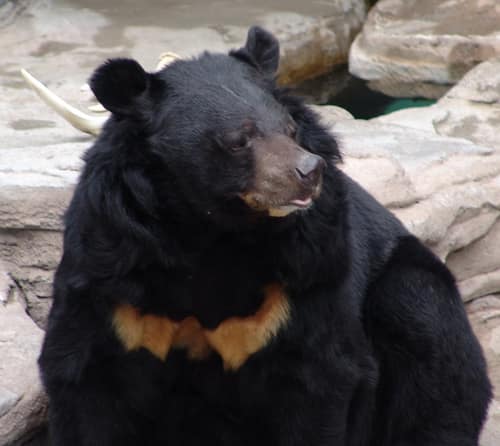
Asiatic black bears are agile climbers that spend much of their life aloft, foraging for nuts, fruits, and insects while constructing leafy feeding platforms high in tree canopies. Instantly recognizable by the distinct white or cream crescent mark across the chest, these intelligent mammals inhabit mountain forests across Asia. Seasonal food availability shapes their movements, driving them from high elevations in summer down to sheltered valleys in winter.
MammalForest DwellerArboreal

—observations
—countries
—peak records
VulnerableConservation statusIUCN Red List categoriesLCNTVUENCREWEXVulnerableRed List categories, explained →
Diet & prey
- Acorns and Nuts
- Berries and Fruits
- Insects and Larvae
Predators
- Tigers
- Gray Wolves
- Leopards
ThreatsHabitat loss from deforestation, road development, and illegal poaching for trade
HabitatsDeciduous forests, mixed mountain woodlands, and subtropical thickets
Life span25–30 years in the wild
Size / weightNot available
Classification
- OrderCarnivora
- FamilyUrsidae
- GenusUrsus
- SpeciesUrsus thibetanus
Range data is not available yet.
Interaction riskHigh
- Low
- Moderate
- High
- Very high
- Why interaction risk is high
- Capable of sudden defensive attacks if startled; give this large mammal a wide berth and travel in groups.
- Why it is dangerous
- Powerful jaws and sharp claws can inflict severe or fatal injuries during defensive attacks, particularly when females protect cubs.
- How to recognize a risky encounter
- Look for a jet-black coat, prominent rounded ears, and a striking white or cream V-shaped chest patch.
- What to do
- Never approach; back away slowly without running or making direct eye contact, speaking in a calm, firm voice.
- What to notice
- Recognized in the field by high leafy nests in oak or beech trees and five-toed tracks with claw marks.
- Support conservation
- Stay on marked trails, keep dogs leashed, and avoid sharing precise location details of sightings in sensitive habitats.
Responsible observation
- Make Noise: Talk loudly or carry bear bells when hiking through dense forest to avoid startling one.
- Secure Food: Store garbage and provisions in bear-proof canisters or elevated tree hangs.
- Maintain Distance: Never approach a bear, especially a sow with cubs or one feeding at a kill.
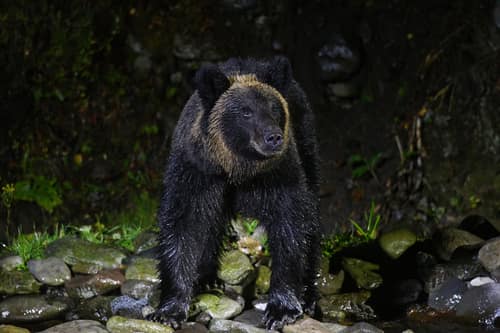
Competitor (c) Nathan Ruser, some rights reserved (CC BY), uploaded by Nathan Ruser · cc-by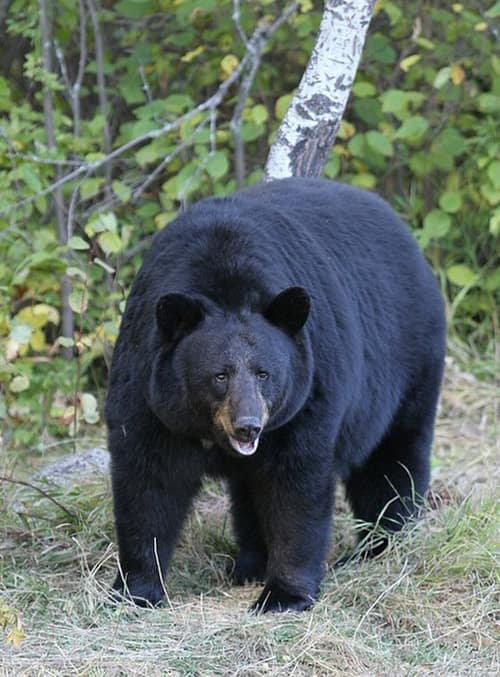
Close Relative Diginatur / CC BY-SA 3.0 · cc-by-sa
Overlapping Relative Rushenb / CC BY-SA 4.0 · cc-by-sa
Keep collecting in Fauna
Found in Collections
Ecosystem chain
The Forest Floor
Asiatic Black Bear is found in this collection. Identify it in Fauna to fill this slot and continue your progress.
—/12
Help improve the field guideSomething wrong?
Checking your Fauna account…Report a name, category, or profile issue for review.