
Mammal · GBIF taxon 9311132
Tapanuli Orangutan
Pongo tapanuliensisAlso known as Batang Toru Orangutan
Tapanuli orangutans spend almost their entire lives in the high canopy of the Batang Toru highlands, weaving fresh leafy sleeping platforms in the treetops each evening. Flanged adult males broadcast booming, reverberating long calls that carry for kilometers across rugged submontane ravines to claim territory and attract females. Recognized as a distinct species in 2017, these solitary great apes rely heavily on highland tree bark, rare mast-fruiting forest trees, and caterpillars during leaner seasons.
ArborealGreat ApeFrugivore
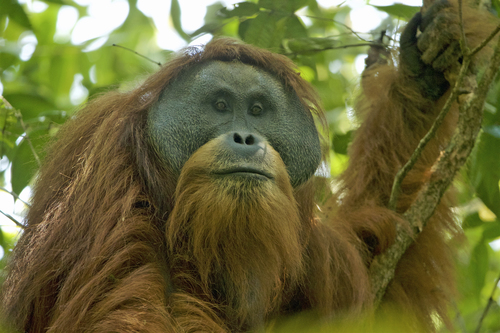
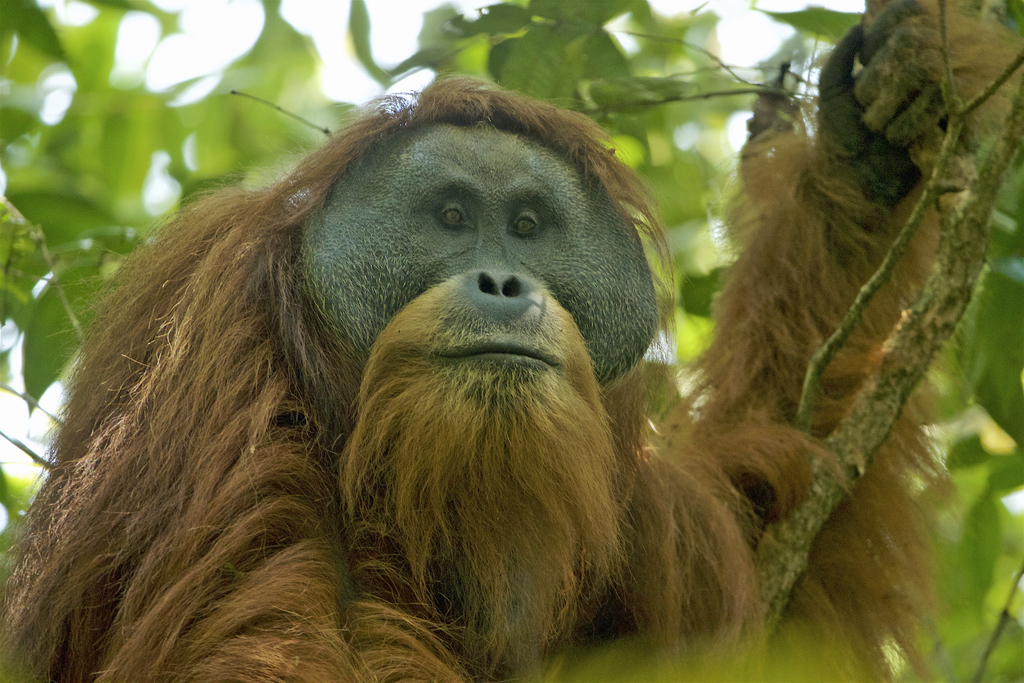
Licensed reference(c) Tim Laman, some rights reserved (CC BY) · cc-by
—observations
—countries
—peak records
Critically EndangeredConservation statusIUCN Red List categoriesLCNTVUENCREWEXCritically EndangeredRed List categories, explained →
Diet & prey
- Figs
- Durian
- Tree Bark
Predators
- Sumatran Tiger
ThreatsHabitat fragmentation, hydroelectric dam construction, road building, agricultural encroachment
HabitatsSubmontane and montane tropical moist rainforest
Life span50–60 years in the wild
Size / weightNot available
Classification
- FamilyHominidae
- SpeciesPongo tapanuliensis
Range data is not available yet.
Interaction riskHigh
- Low
- Moderate
- High
- Very high
- Why interaction risk is high
- Immature and adult apes are exceptionally powerful; maintain a respectful distance of at least ten meters.
- Why it is dangerous
- Adults possess immense physical strength and formidable canine teeth capable of inflicting deep, crushing bite wounds if pressured.
- How to recognize a risky encounter
- Recognizable by their frizzy cinnamon fur, flanged cheek pads on mature males, and high arboreal posture.
- What to do
- Never corner, feed, or approach an ape; slowly retreat if an individual descends or displays agitation.
- What to notice
- Restricted entirely to the rugged Batang Toru ecosystem in South Tapanuli, Sumatra.
- Support conservation
- Only visit via certified local conservation guides, never disclose precise GPS coordinates publicly, and follow all sanitary protocols.
Responsible observation
- Canopy Scanning: Scan high ridge-line trees in early morning when individuals emerge from night nests.
- Distance Protocol: Stay at least 10 meters away and wear a mask to prevent transmitting human respiratory pathogens.
- Forest Quiet: Speak in hushed tones to avoid alarming feeding mothers and vulnerable young.
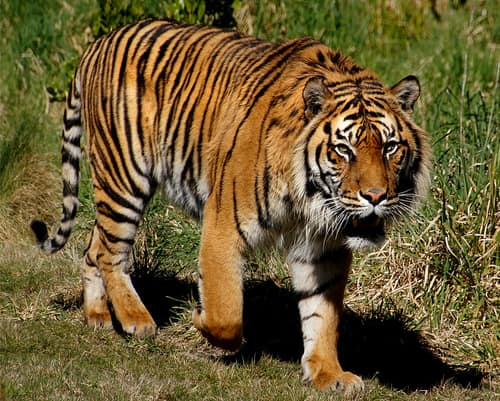
Predator "Sumatran Tiger." by Bernard Spragg is marked with CC0 1.0. To view the terms, visit https://creativecommons.org/publicdomain/zero/1.0/. · cc0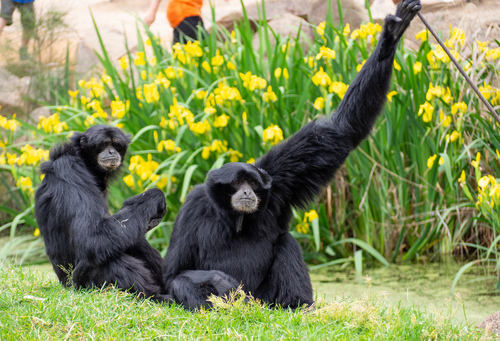
Neighbor (c) Maksym Kozlenko, some rights reserved (CC BY-SA) · cc-by-sa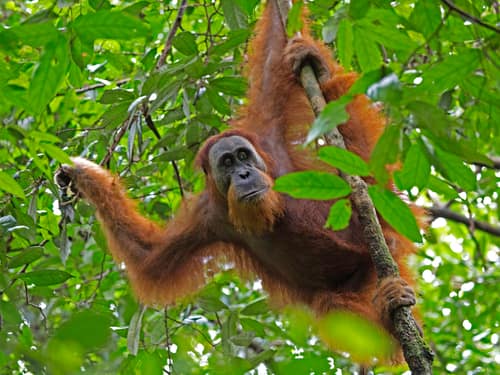
Close Relative (c) Lip Kee, some rights reserved (CC BY-SA) · cc-by-sa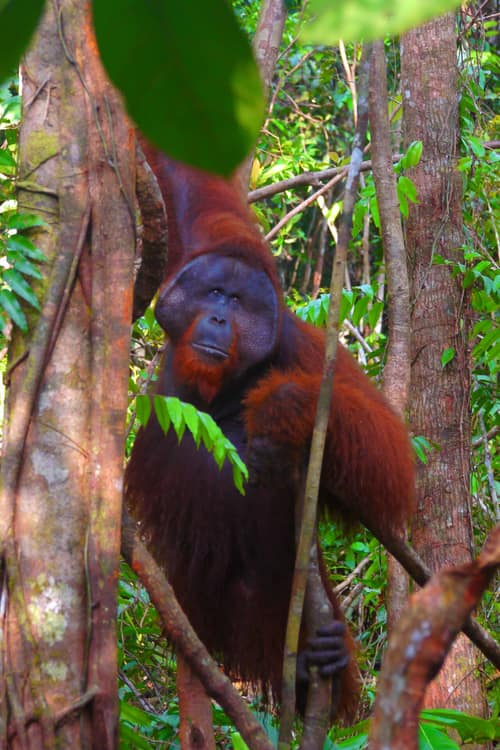
Close Relative Nanosanchez / CC BY-SA 4.0 · cc-by-sa
Help improve the field guideSomething wrong?
Checking your Fauna account…Report a name, category, or profile issue for review.