
Plant
Pandan
Pandanus amaryllifoliusAlso known as Screwpine, Fragrant Pandan, Rampe, Daun Pandan
Pandan thrives across tropical gardens and riparian edges throughout Southeast Asia, forming dense clumps of upright, strap-shaped foliage anchored by thick aerial stilt roots. The long green leaves emit a warm, grassy aroma reminiscent of basmati rice or vanilla due to high concentrations of the compound 2-acetyl-1-pyrroline. Because true wild flowering populations are virtually unknown, people have sustained and spread the plant across continents for centuries almost entirely through vegetative stem cuttings.
AromaticTropicalCultivated
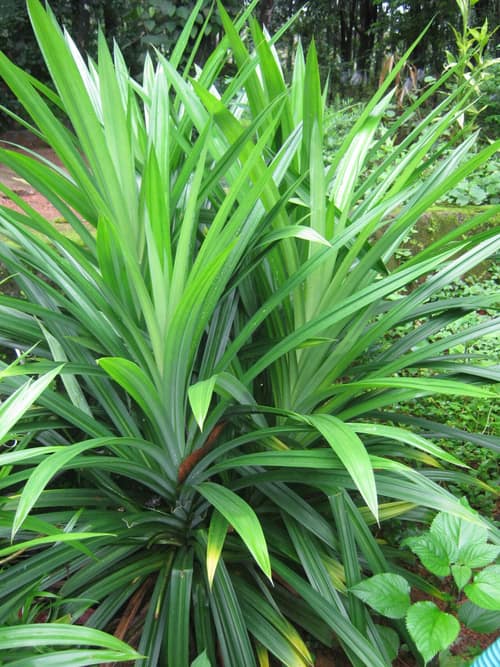
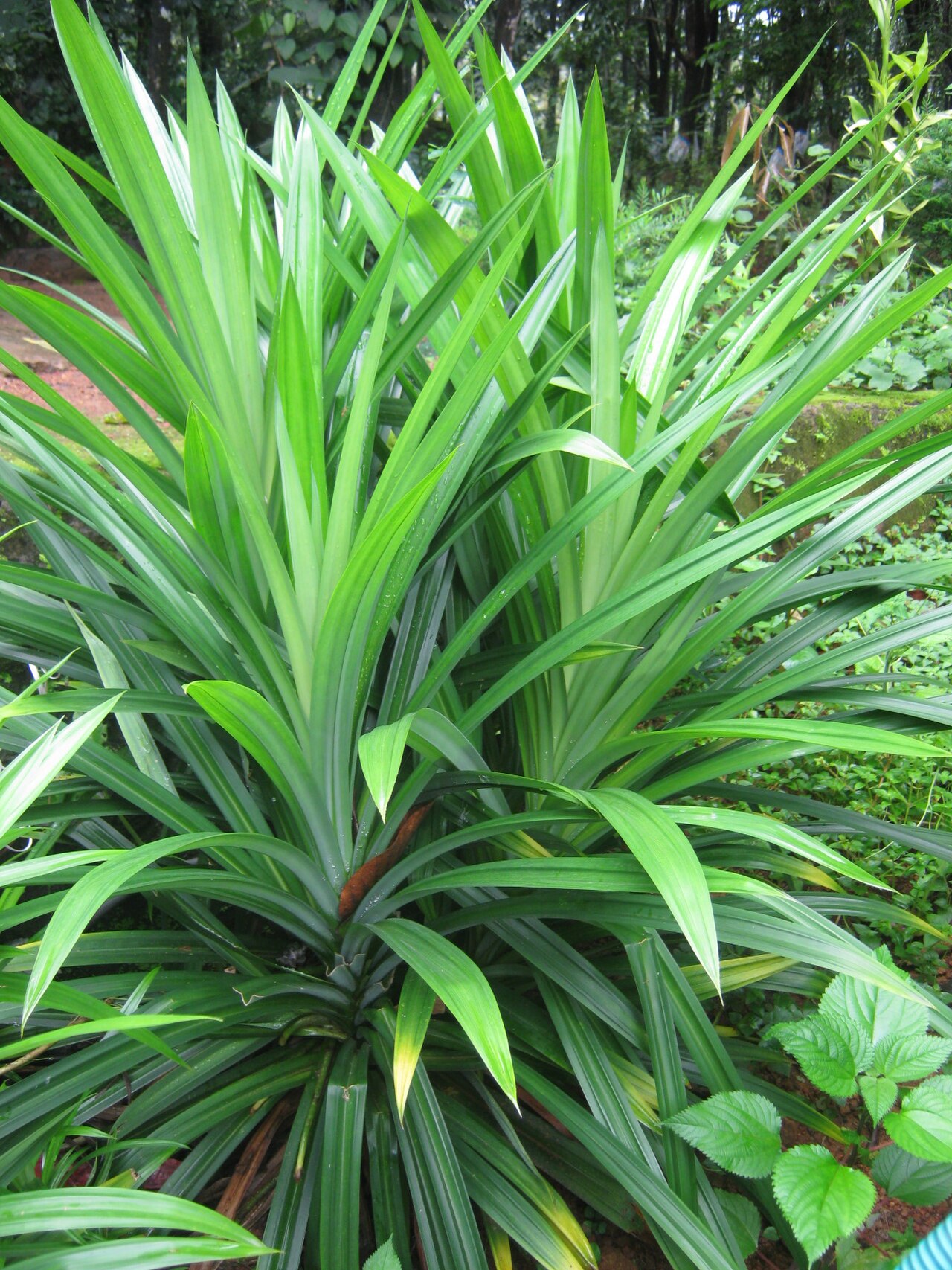
—observations
—countries
—peak records
Not EvaluatedConservation statusIUCN Red List categoriesLCNTVUENCREWEXNot Evaluated — not placed on the risk ladderRed List categories, explained →
Diet & preyAutotrophic (photosynthesis)
Predators
- Grasshoppers
- Mealybugs
- Spider mites
ThreatsLow genetic diversity from clonal propagation and land clearing
HabitatsTropical riverbanks, swamp margins, secondary forests, and home gardens
Life spanPerennial (decades via vegetative propagation)
Classification
- OrderPandanales
- FamilyPandanaceae
- GenusPandanus
- SpeciesPandanus amaryllifolius
Range data is not available yet.
Interaction riskLow
- Low
- Moderate
- High
- Very high
- Why interaction risk is low
- Safe to observe and handle at a normal distance.
Responsible observation
- Identification: Gently bruise a leaf margin between two fingers to release its unmistakable nutty, vanilla-like scent.
- Cultivation: Look for aerial roots emerging from the lower stems, which root readily when planted in moist soil.
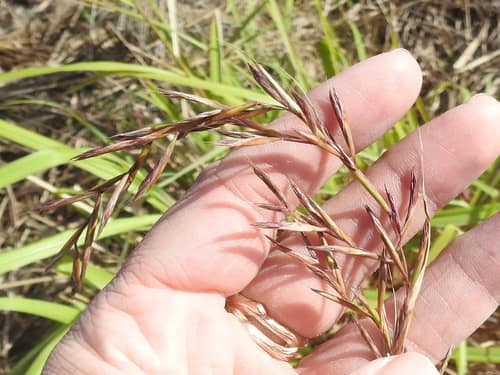
Frequent Companion (c) Sam Kieschnick, some rights reserved (CC BY) · cc-by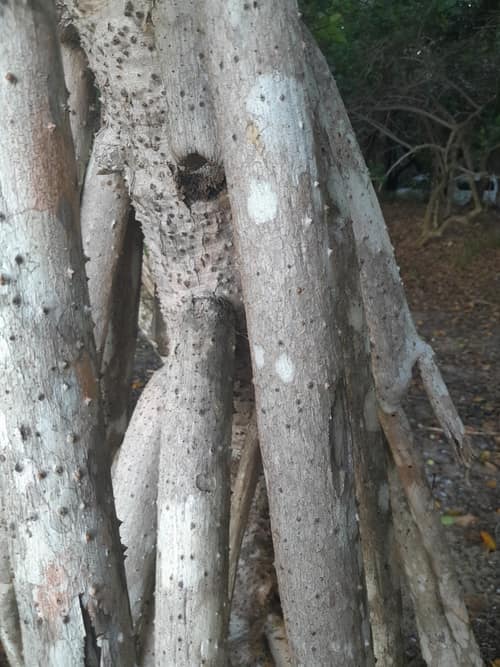
Close Relative (c) Steve Fitzgerald, some rights reserved (CC BY-SA), uploaded by Steve Fitzgerald · cc-by-sa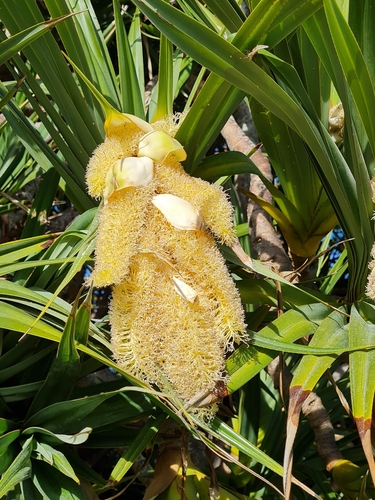
Close Relative (c) Alison Copeland, some rights reserved (CC BY), uploaded by Alison Copeland · cc-by
Help improve the field guideSomething wrong?
Checking your Fauna account…Report a name, category, or profile issue for review.