
Fungus
Blackfoot Polypore
Cerioporus leptocephalusAlso known as Elegant Polypore, Black-footed Polypore
Blackfoot polypores sprout from fallen deciduous branches and rotting hardwood twigs across temperate woodlands from spring through late autumn. Their smooth, leathery caps transition from pale cream to ochre or reddish-brown, contrasting sharply with a dense, velvety black patch coating the base of the stalk. As white-rot decomposers, they play an essential role in breaking down tough lignin and recycling vital nutrients into forest soils.
Wood-decayingPolyporeForest
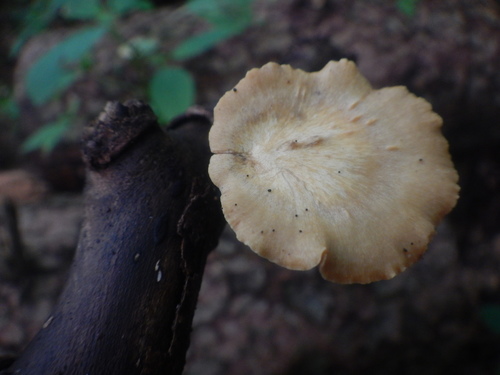
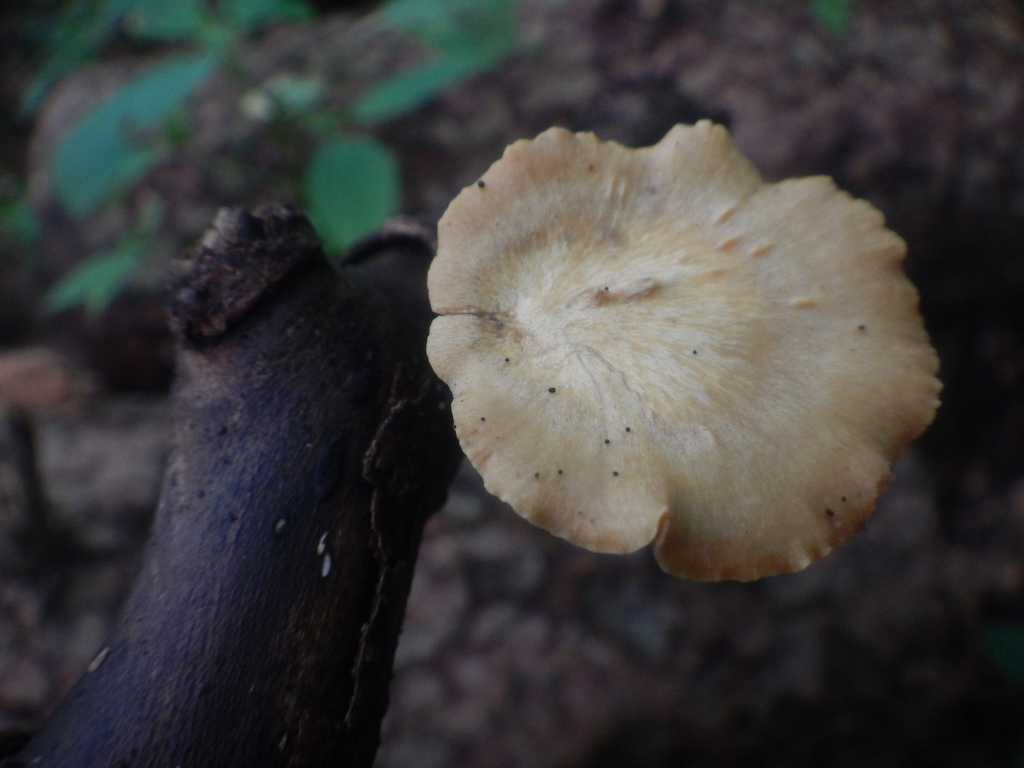
—observations
—countries
—peak records
Not EvaluatedConservation statusIUCN Red List categoriesLCNTVUENCREWEXNot Evaluated — not placed on the risk ladderRed List categories, explained →
Diet & preyDead hardwood logs, Fallen deciduous branches, Lignin and cellulose
Predators
- Ciid beetles
- Fungus gnat larvae
- Slugs
ThreatsRemoval of coarse woody debris, clear-cutting, severe woodland fragmentation
HabitatsDeciduous and mixed forests, wooded ravines, shaded forest floors
Life spanFruiting body persists 2–6 weeks; mycelium lives several years
Classification
- FamilyPolyporaceae
- SpeciesCerioporus leptocephalus
Range data is not available yet.
Interaction riskLow
- Low
- Moderate
- High
- Very high
- Why interaction risk is low
- Many edible mushrooms have toxic look-alikes; never eat wild fungi based on app identification alone.
Responsible observation
- Inspect the Stalk: Check the base of the stem to spot the characteristic soot-black, velvety coating.
- Preserve Substrate: Leave decaying twigs and branches in place to let the mycelium continue breaking down wood.
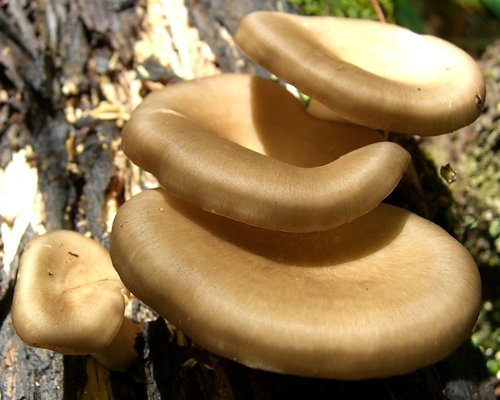
Look-alike (c) Jason Hollinger, some rights reserved (CC BY) · cc-by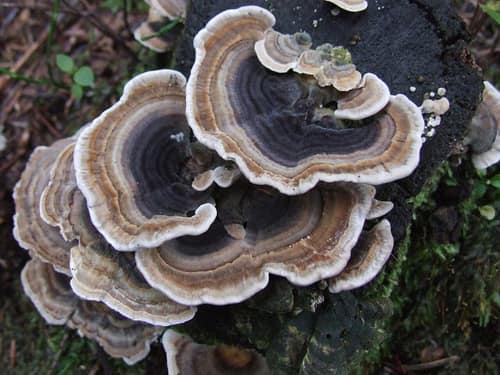
Competitor Jerzy Opioła / CC BY-SA 3.0 · cc-by-sa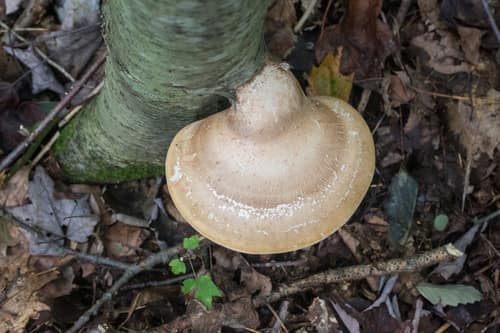
Ecological Peer (c) Richard Jacob, some rights reserved (CC BY), uploaded by Richard Jacob · cc-by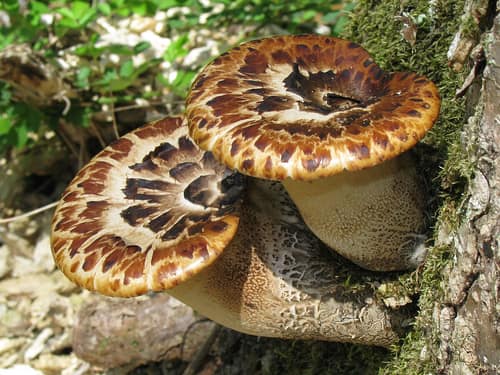
Close Relative Dan Molter / CC BY-SA 3.0 · cc-by-sa
Help improve the field guideSomething wrong?
Checking your Fauna account…Report a name, category, or profile issue for review.