
Reptile
Eastern Snake-necked Turtle
Chelodina longicollisAlso known as Common Long-necked Turtle, Common Snake-necked Turtle, Eastern Long-necked Turtle
Eastern snake-necked turtles possess a remarkably long, sinuous neck that equals the carapace in length, allowing them to strike rapidly at unsuspecting aquatic prey like a snake. When threatened, they tuck their head sideways beneath the rim of the shell and can exude an intensely pungent, yellow musk from their inguinal glands. During spring and summer rains, individuals frequently undertake long overland treks between waterways in search of mates or newly filled ephemeral wetlands.
AquaticReptileCarnivorous
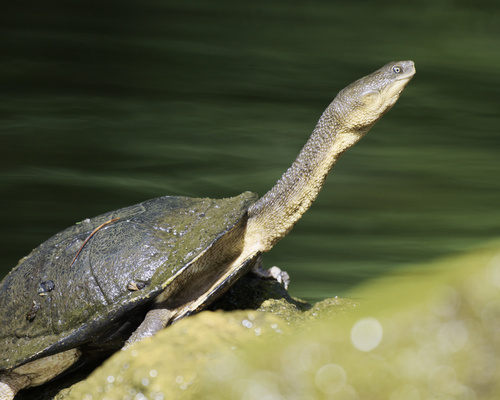
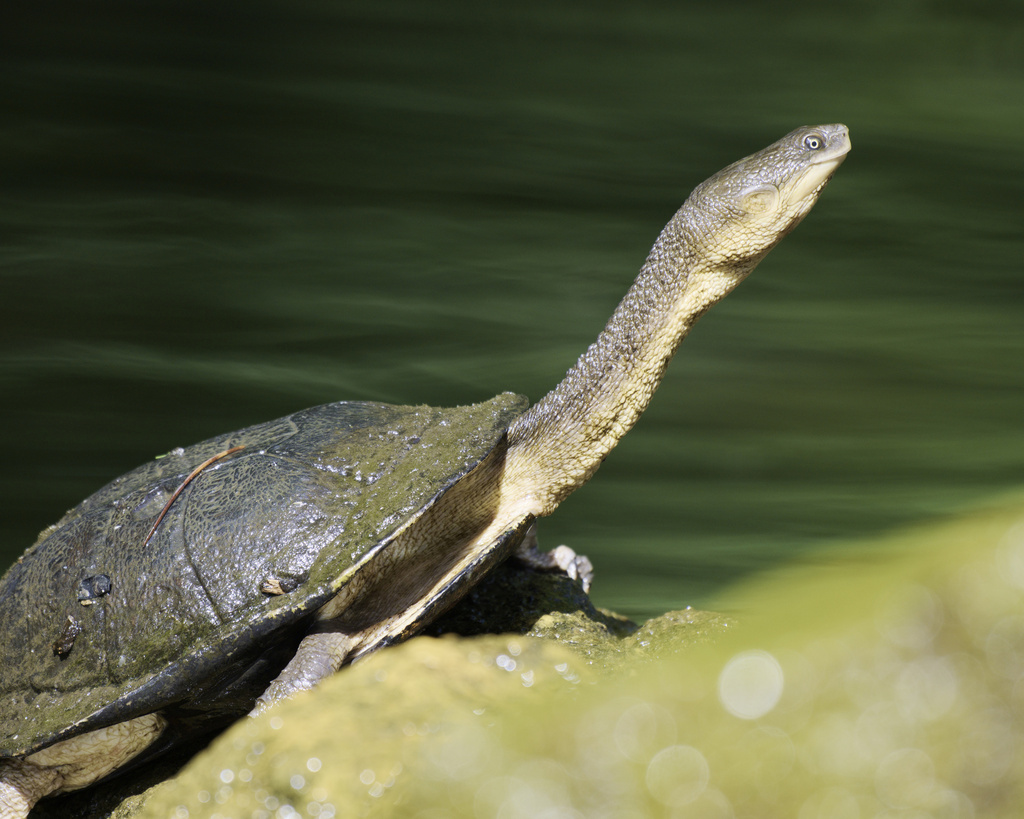
—observations
—countries
—peak records
Least ConcernConservation statusIUCN Red List categoriesLCNTVUENCREWEXLeast ConcernRed List categories, explained →
Diet & preyTadpoles, Freshwater Crayfish, Small Fish
Predators
- Red Fox
- Water Rat
- Lace Monitor
ThreatsRoad mortality during overland travel, predation of eggs by introduced foxes, and habitat drying
HabitatsSlow-moving rivers, swamps, billabongs, farm dams, and ephemeral wetlands
Life span30–50 years
Classification
- FamilyChelidae
- GenusChelodina
- SpeciesChelodina longicollis
Range data is not available yet.
Interaction riskLow
- Low
- Moderate
- High
- Very high
- Why interaction risk is low
- Can deliver a sharp defensive bite and release a foul-smelling musk if handled.
- Why it is dangerous
- When handled roughly or cornered, sharp claws and powerful jaws can inflict painful skin breaks, while musk glands release a persistent, foul fluid.
- How to recognize a risky encounter
- Look for the flattened, dark brown to black carapace and an exceptionally long, narrow neck that folds sideways along the body.
- What to do
- Avoid handling unless rescuing from traffic; if moving off asphalt, grip the shell firmly between the front and rear legs to avoid scratches.
Responsible observation
- Roadside Assistance: If moving one off a road, carry it low and point it in the direction it was already heading.
- Musk Precaution: Hold firmly by the sides of the shell away from the head to avoid sharp claws and pungent defensive musk.
- Observation Distance: Watch quietly from wetland edges, as turtles will submerge quickly if startled by rapid movements.
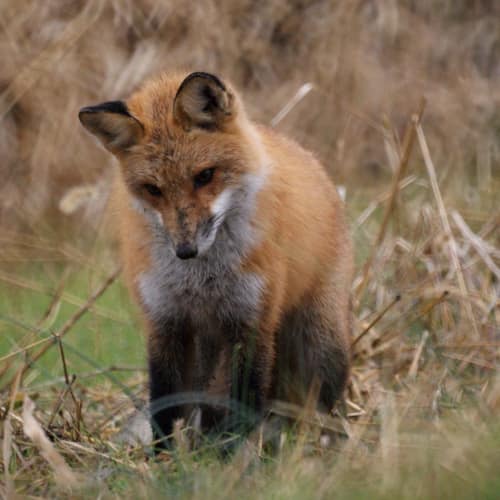
Predator "Red Fox" by Mike's Birds is licensed under CC BY-SA 2.0. To view a copy of this license, visit https://creativecommons.org/licenses/by-sa/2.0/. · cc-by-sa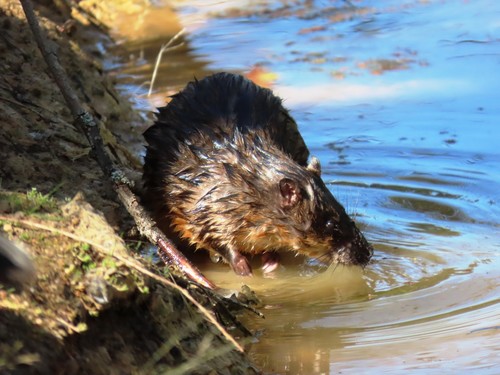
Predator (c) Elspeth Swan, some rights reserved (CC BY), uploaded by Elspeth Swan · cc-by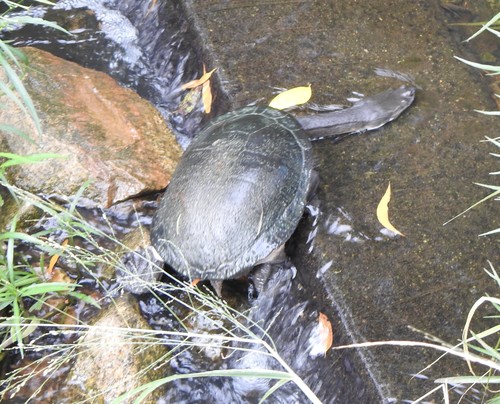
Close Relative (c) Greg Tasney, some rights reserved (CC BY-SA), uploaded by Greg Tasney · cc-by-sa
Same Family no rights reserved, uploaded by Joshua S. Martin · cc0
Help improve the field guideSomething wrong?
Checking your Fauna account…Report a name, category, or profile issue for review.