
Reptile · GBIF taxon 9250194
Amethystine Python
Simalia amethistinaAlso known as Scrub Python, Amethyst Python, Barred Python
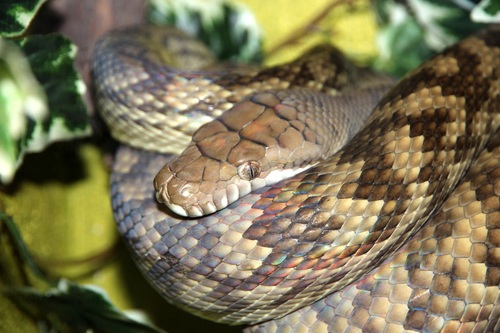
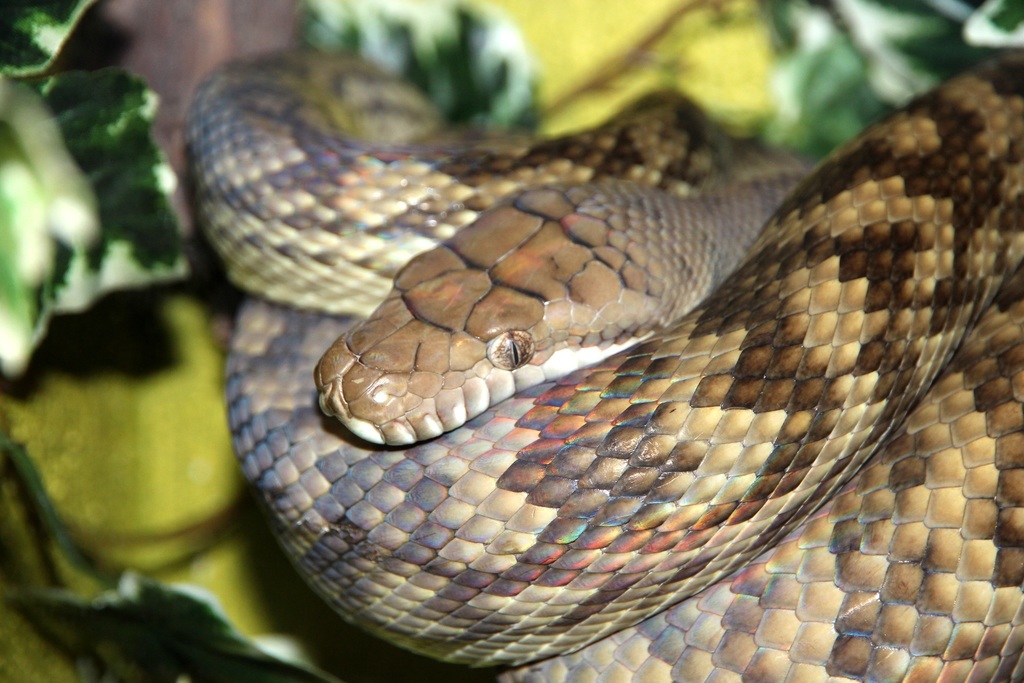
Amethystine pythons are formidable arboreal predators, easily recognized by the beautiful iridescent sheen that ripples across their scales in direct sunlight. These giants navigate the rainforest canopy with surprising agility, using their highly prehensile tails to anchor themselves while striking at passing prey. During the breeding season, males engage in dramatic combat, wrestling each other to the ground to win mating rights with receptive females.
ArborealConstrictorNocturnal
—observations
—countries
—peak records
Least ConcernConservation statusIUCN Red List categoriesLCNTVUENCREWEXLeast ConcernRed List categories, explained →
Diet & prey
- Fruit bats
- Cuscus
- Forest birds
Predators
- Birds of prey
- Estuarine crocodiles
- Feral pigs
ThreatsHabitat loss, deforestation, and the exotic pet trade
HabitatsTropical rainforests, woodlands, and rocky scrublands
Life span20 to 30 years
Size / weightNot available
Classification
- FamilyPythonidae
- SpeciesSimalia amethistina
Range data is not available yet.
Interaction riskHigh
- Low
- Moderate
- High
- Very high
- Why interaction risk is high
- Can deliver a painful defensive bite and constrict if threatened; maintain a safe distance.
- Why it is dangerous
- While non-venomous, their massive size and long, backward-curving teeth can inflict deep lacerations and severe bruising if they constrict or bite.
- How to recognize a risky encounter
- Look for a long, slender body with large, symmetrical head shields and a distinct purplish or rainbow sheen on dark-banded scales.
- What to do
- Never attempt to handle or corner a wild python; back away slowly and let the snake retreat into the canopy.
Responsible observation
- Look up: Scan the high branches of rainforest trees and rock crevices where they love to rest.
- Keep distance: Give these large constrictors plenty of space to avoid triggering a defensive strike.
- Watch the light: Observe them in dappled sunlight to appreciate the brilliant amethyst iridescence of their scales.
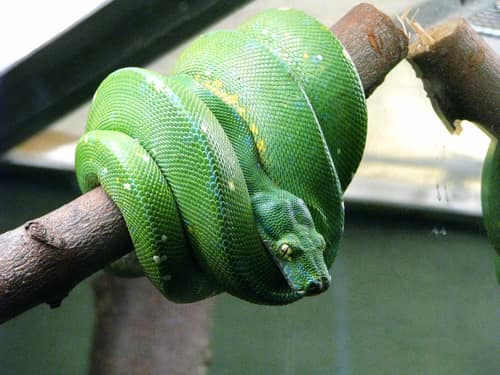
Co-occurring Python "Green Tree Python" by MSVG is licensed under CC BY 2.0. To view a copy of this license, visit https://creativecommons.org/licenses/by/2.0/. · cc-by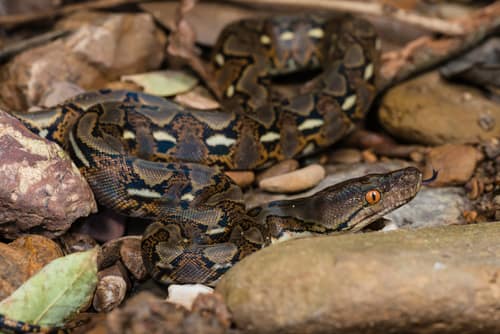
Competitor (c) Rushen, some rights reserved (CC BY-SA) · cc-by-sa Image unavailable
Close Relative
Help improve the field guideSomething wrong?
Checking your Fauna account…Report a name, category, or profile issue for review.