
Invertebrate
Ring-legged Fiddler Crab
Austruca annulipesAlso known as White-clawed Fiddler Crab
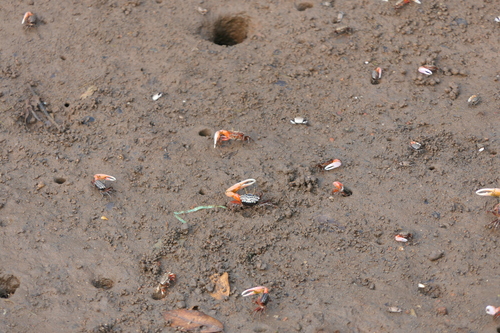
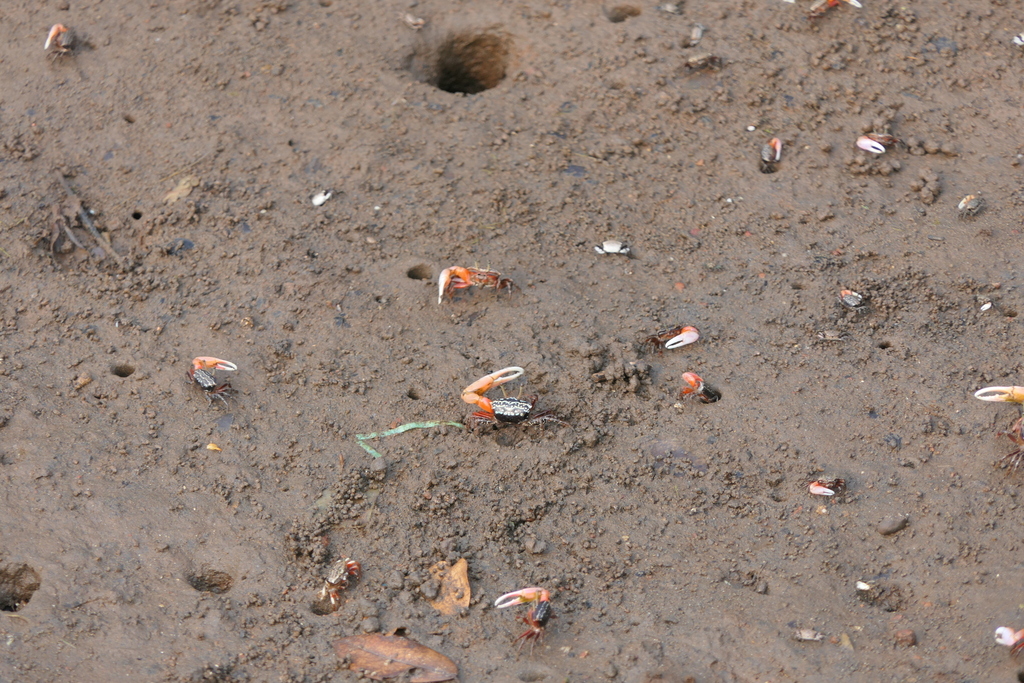
Ring-legged fiddler crabs emerge in dense colonies across sheltered mudflats as the tide recedes, actively sorting nutrient-rich sediment through complex mouthparts. Males sport an enormous, pale major claw that they wave in rhythmic courtship displays to attract passing females and establish territory around their burrow entrances. Before the returning tide floods their feeding grounds, each crab retreats underground and seals its burrow entrance with a neat plug of mud to trap an air pocket.
CrustaceanTidalBurrowing
—observations
—countries
—peak records
Not EvaluatedConservation statusIUCN Red List categoriesLCNTVUENCREWEXNot Evaluated — not placed on the risk ladderRed List categories, explained →
Diet & preyBenthic diatoms, Decaying mangrove detritus, Sediment bacteria
Predators
- Herons and egrets
- Waders and shorebirds
- Predatory fish
ThreatsMangrove clearing, land reclamation, and coastal pollution
HabitatsMangrove mudflats, sheltered tidal creeks, and estuarine sandbars
Life span1.5–3 years
Classification
- FamilyOcypodidae
- SpeciesAustruca annulipes
Range data is not available yet.
Interaction riskLow
- Low
- Moderate
- High
- Very high
- Why interaction risk is low
- Safe to observe at a normal distance.
Responsible observation
- Patience: Stand quietly near active burrows; crabs quickly reemerge once ground vibrations cease.
- Tide Timing: Visit during low tide when crabs are out feeding and waving on exposed mud.
- Footwear: Wear sturdy water shoes to avoid sharp mangrove roots and shell fragments.
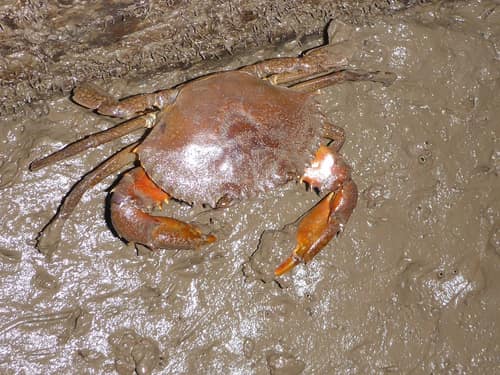
Predator "Mud Crab" by darkday. is licensed under CC BY 2.0. To view a copy of this license, visit https://creativecommons.org/licenses/by/2.0/. · cc-by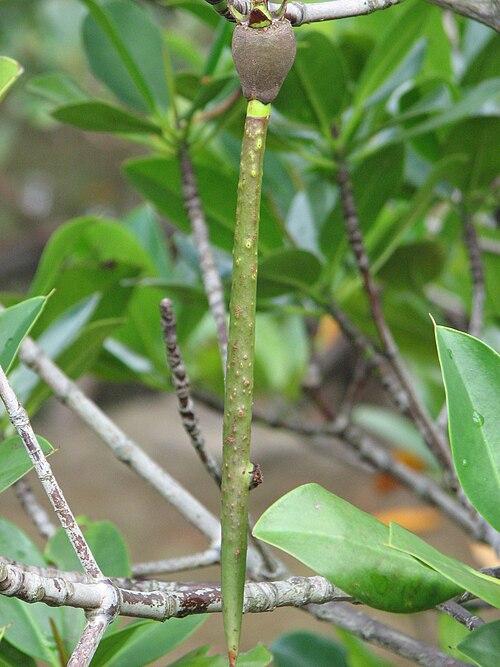
Frequent Companion self / CC BY-SA 3.0 · cc-by-sa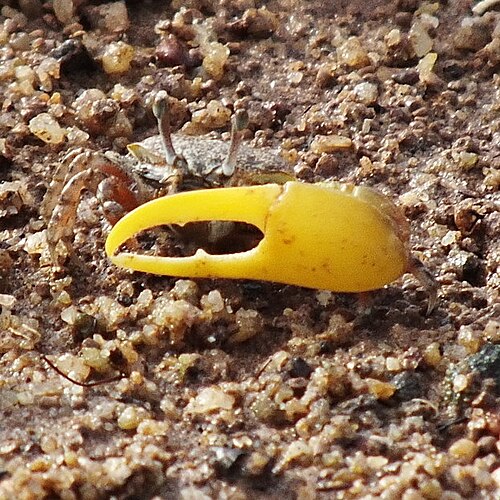
Close Relative coenobita / CC BY 4.0 · cc-by
Same Family (c) Romain Boisseau, some rights reserved (CC BY-SA) · cc-by-sa
Help improve the field guideSomething wrong?
Checking your Fauna account…Report a name, category, or profile issue for review.