
Insect
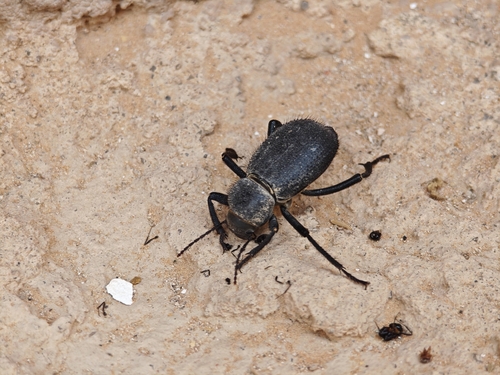
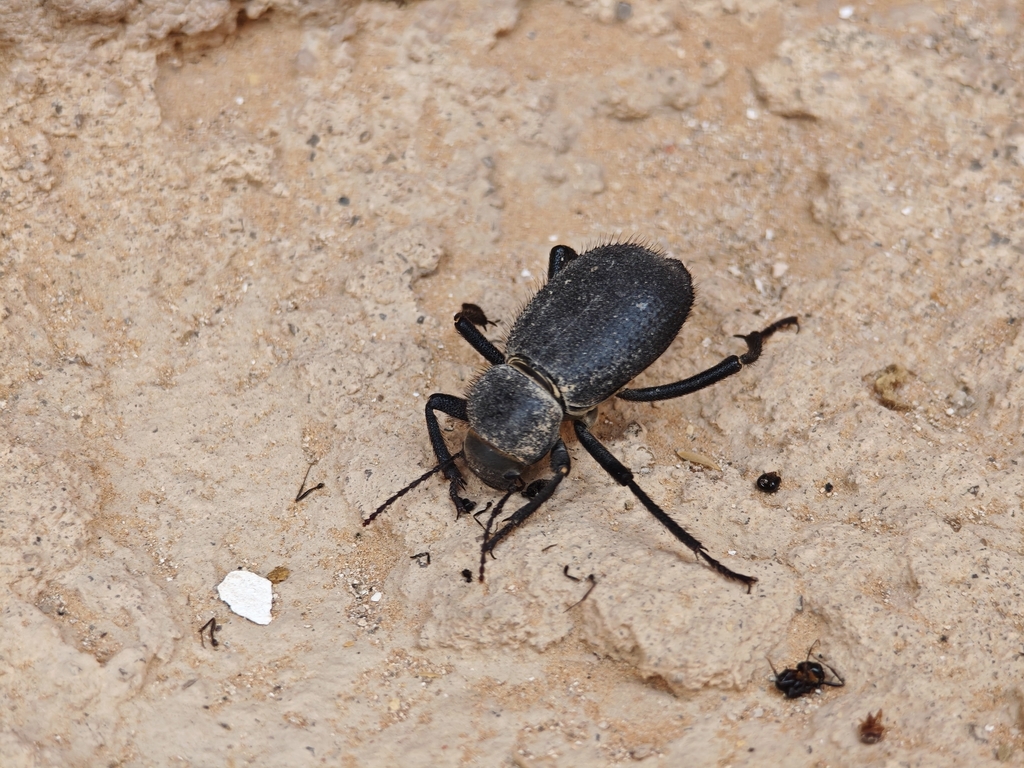
Trachyderma hispida
Trachyderma hispidaThese rugged darkling beetles navigate harsh arid terrains with a heavily textured, fused exoskeleton that traps a pocket of insulating air beneath the wing covers to prevent desiccation. Strictly flightless and primarily nocturnal, they forage slowly across sandy or stony ground at dusk, scavenging whatever organic debris winds or dunes deposit. When threatened, they often play dead or release faint defensive secretions from abdominal glands to deter desert predators.
NocturnalDesert DwellerScavenger
—observations
—countries
—peak records
Not EvaluatedConservation statusIUCN Red List categoriesLCNTVUENCREWEXNot Evaluated — not placed on the risk ladderRed List categories, explained →
Diet & preyDecaying vegetation, Seeds, Insect carrion
Predators
- Desert lizards
- Small owls
- Rodents
ThreatsAgricultural intensification, severe habitat degradation, and indiscriminate insecticide use
HabitatsSandy deserts, arid shrublands, rocky slopes, and dry steppes
Life span1–3 years
Classification
- OrderColeoptera
- FamilyTenebrionidae
- GenusTrachyderma
- SpeciesTrachyderma hispida
Range data is not available yet.
Interaction riskLow
- Low
- Moderate
- High
- Very high
- Why interaction risk is low
- Safe to observe at a normal distance.
Responsible observation
- Night Spotting: Walk along desert fringes with a gentle flashlight to spot them foraging on open sand.
- Gentle Observation: Avoid pressing down on their fused shell, as handling can cause stress or chemical defensive release.
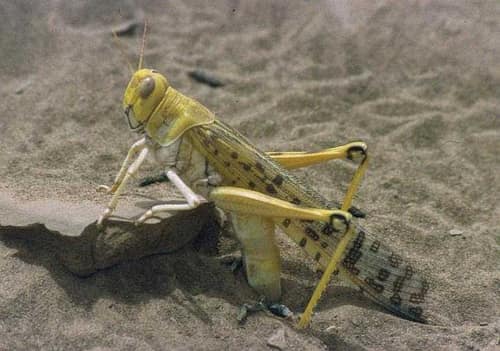
Neighbor Christiaan Kooyman / Public domain · cc0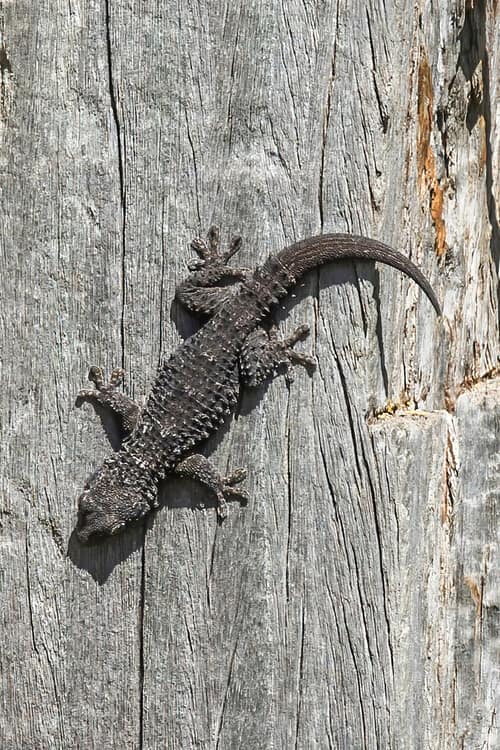
Predator Charles J. Sharp / CC BY-SA 4.0 · cc-by-sa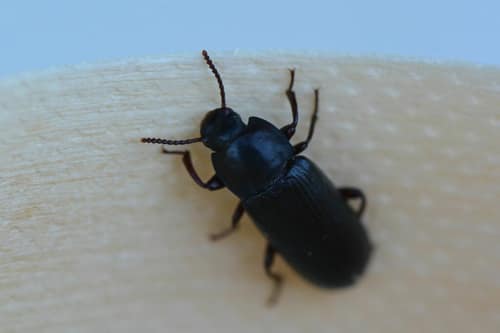
Same Family no rights reserved · cc0
Help improve the field guideSomething wrong?
Checking your Fauna account…Report a name, category, or profile issue for review.