
Fungus
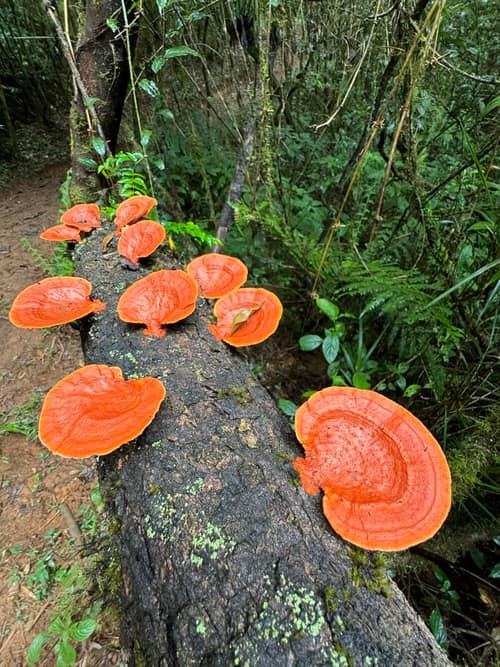
Cinnabar Polypore
Trametes cinnabarinaAlso known as Cinnabar Bracket, Cinnabar Red Polypore
Bright reddish-orange shelf brackets cluster on decaying hardwood logs and stumps in temperate forests across the Northern Hemisphere. Their vibrant coloration comes from cinnabarin, a natural pigment with antimicrobial properties that helps protect the fungus during decomposition. As fruiting bodies mature, they fade to salmon-pink or pale cinnamon while remaining dry, tough, and firmly attached to the host wood.
Bracket FungusBrightly ColoredWood Decayer

—observations
—countries
—peak records
Not EvaluatedConservation statusIUCN Red List categoriesLCNTVUENCREWEXNot Evaluated — not placed on the risk ladderRed List categories, explained →
Diet & preyDead hardwood, Lignin, Cellulose
Predators
- Fungus beetles
- Mites
- Slugs
ThreatsDeforestation and removal of deadwood habitats
HabitatsDeciduous forests, mixed woodlands, logging clearings
Life spanFruiting bodies persist for several months to a year
Classification
- OrderPolyporales
- FamilyPolyporaceae
- GenusTrametes
- SpeciesTrametes cinnabarina
Range data is not available yet.
Interaction riskLow
- Low
- Moderate
- High
- Very high
- Why interaction risk is low
- Many wild mushrooms have toxic look-alikes; never eat wild fungi based on app identification alone.
Responsible observation
- Habitat Searching: Scan fallen cherry, birch, and oak logs in sunlit forest clearings.
- Pore Inspection: Check the underside for minute, bright orange pores measuring five to six per millimeter.
- Spores and Spreading: Leave mature shelf brackets undisturbed on logs to allow continuous spore dispersal.
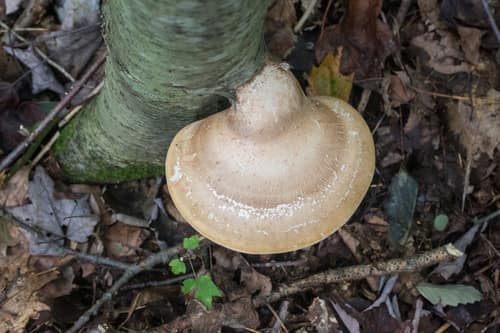
Fungal Competitor (c) Richard Jacob, some rights reserved (CC BY), uploaded by Richard Jacob · cc-by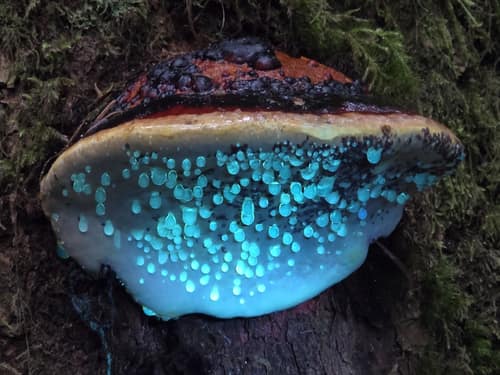
Wood Decayer (c) Alan Rockefeller, some rights reserved (CC BY) · cc-by
Close Relative Fábio Ortiz Goulart / CC BY-SA 4.0 · cc-by-sa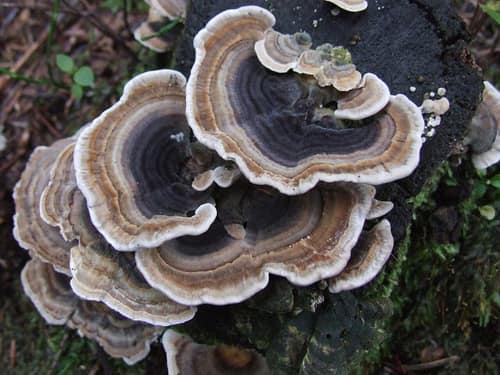
Genus Relative Jerzy Opioła / CC BY-SA 3.0 · cc-by-sa
Keep collecting in Fauna
Found in Collections
Ecosystem chain Pro
Secret Garden
Cinnabar Polypore is found in this collection. Identify it in Fauna to fill this slot and continue your progress.
Unlock to track progress
Help improve the field guideSomething wrong?
Checking your Fauna account…Report a name, category, or profile issue for review.