
Invertebrate
Asian Jumping Worm
Amynthas agrestisAlso known as Crazy Worm, Snake Worm, Alabama Jumper
Asian jumping worms alter forest ecosystems by rapidly consuming organic surface litter and leaving behind dry, grainy soil resembling coffee grounds. When disturbed, adults thrash violently side to side, leap several centimeters, or shed part of their tails to evade capture. Reproduction occurs parthenogenetically, producing tiny egg-filled cocoons that easily survive freezing winters in topsoil and nursery potting mix.
InvasiveFast-MovingSoil-Dwelling
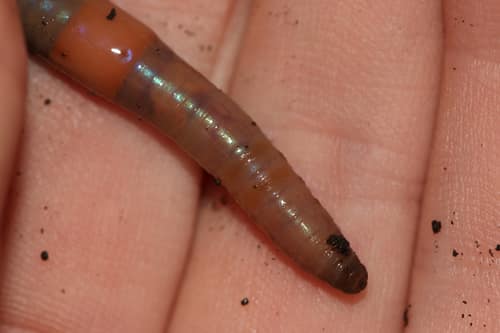
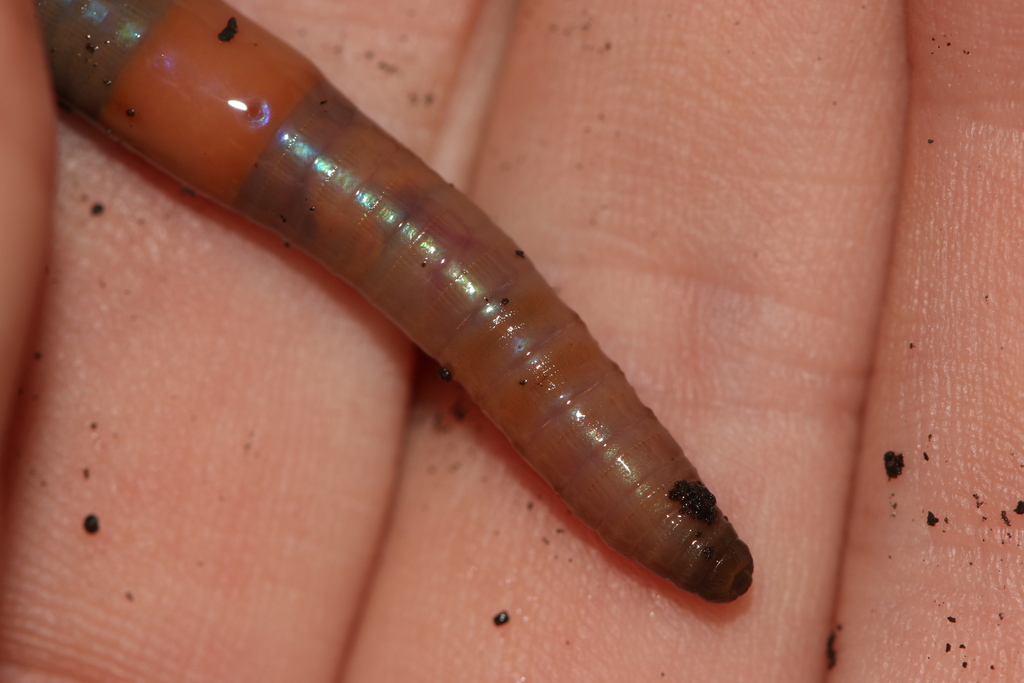
—observations
—countries
—peak records
Least ConcernConservation statusIUCN Red List categoriesLCNTVUENCREWEXLeast ConcernRed List categories, explained →
Diet & preyLeaf Litter, Organic Debris, Soil Microbes
Predators
- Birds
- Toads
- Small Mammals
ThreatsFreezing winter temperatures kill adults, though egg cocoons survive
HabitatsDeciduous forests, gardens, compost heaps, nursery stock
Life span1 year
Classification
- OrderCrassiclitellata
- FamilyMegascolecidae
- GenusAmynthas
- SpeciesAmynthas agrestis
Range data is not available yet.
Interaction riskLow
- Low
- Moderate
- High
- Very high
- Why interaction risk is low
- Safe to observe at a normal distance.
Responsible observation
- Reporting: Document sightings in local invasive species databases to help track regional spread.
- Prevention: Clean boots, tools, and plant roots before moving soil between gardens or natural areas.
- Disposal: Place captured worms in a sealed plastic bag in direct sunshine before discarding.

Competitor (c) alicia penney, some rights reserved (CC BY), uploaded by alicia penney · cc-by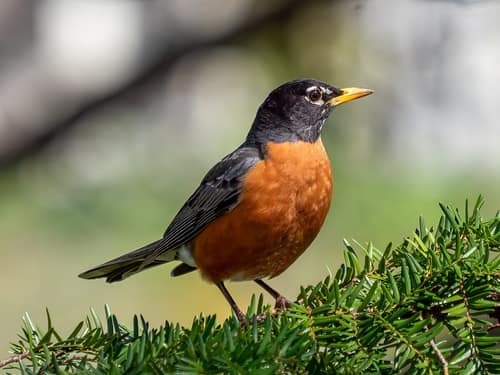
Predator Rhododendrites / CC BY-SA 4.0 · cc-by-sa Image unavailable
Close Relative
Keep collecting in Fauna
Found in Collections
Ecosystem chain
The Forest Floor
Asian Jumping Worm is found in this collection. Identify it in Fauna to fill this slot and continue your progress.
—/12
Help improve the field guideSomething wrong?
Checking your Fauna account…Report a name, category, or profile issue for review.