
Reptile
Pituophis melanoleucus
Pituophis melanoleucusAlso known as Pine Snake, Northern Pine Snake, Black Pine Snake
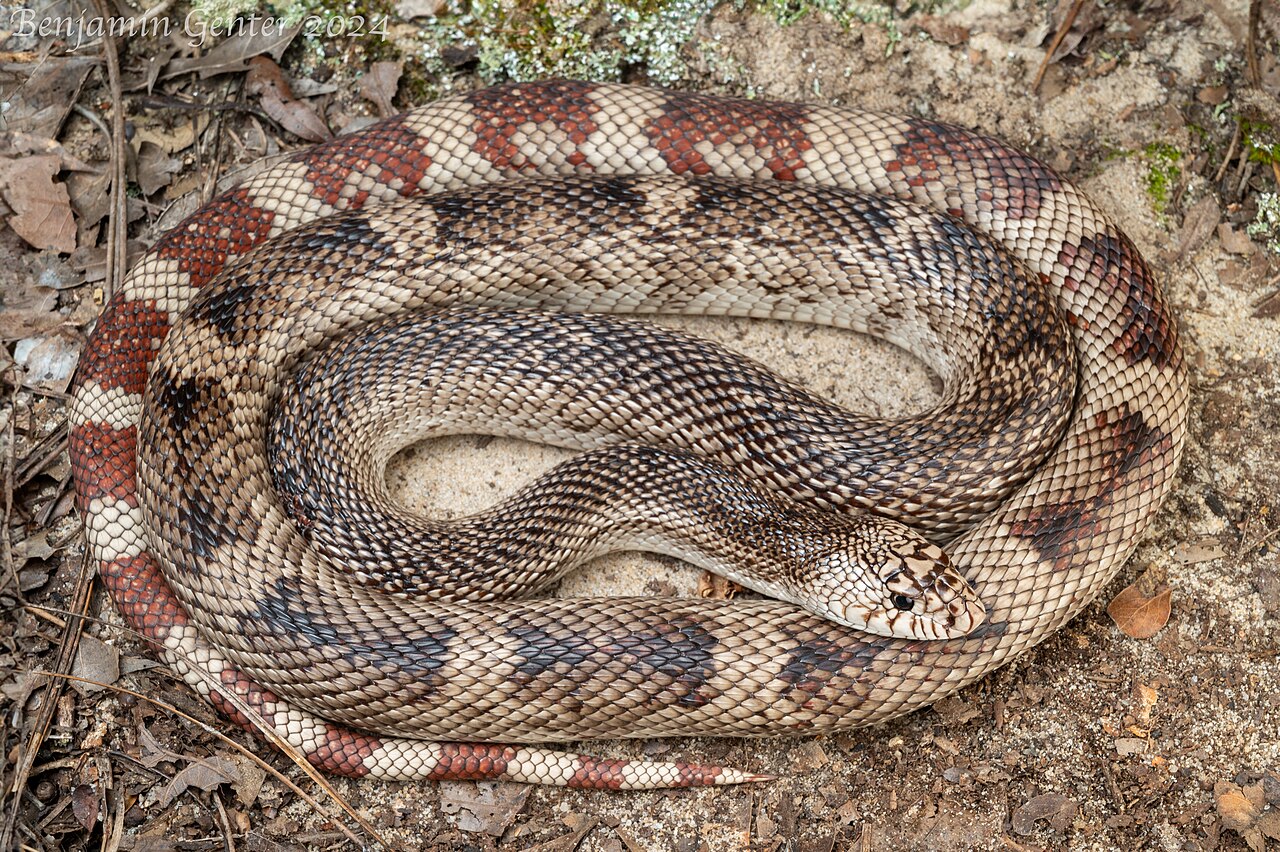
Eastern pine snakes are powerful, fossorial constrictors renowned for their ability to excavate extensive underground burrows using a reinforced rostral scale. When threatened, they produce a remarkably loud, vibrating hiss amplified by a specialized cartilaginous keel inside the epiglottis, accompanied by dramatic defensive strikes. Adults spend the vast majority of their time subterranean, emerging primarily to hunt small mammals or bask in open sandy patches.
BurrowingNonvenomousReptile

—observations
—countries
—peak records
Least ConcernConservation statusIUCN Red List categoriesLCNTVUENCREWEXLeast ConcernRed List categories, explained →
Diet & preyEastern Pocket Gopher, Cotton Rat, Eastern Cottontail
Predators
- Red-tailed Hawk
- Coyote
- Feral Pig
ThreatsHabitat loss from fire suppression, urbanization, and road mortality
HabitatsPine flatwoods, sandy pine-oak scrub, and pine barrens
Life span15–20 years
Classification
- FamilyColubridae
- SpeciesPituophis melanoleucus
Range data is not available yet.
Interaction riskLow
- Low
- Moderate
- High
- Very high
- Why interaction risk is low
- Nonvenomous but delivers a painful defensive bite and dramatic bluffing display if cornered.
- Why it is dangerous
- Possesses sharp recurved teeth and strong jaw musculature that can inflict painful lacerations when cornered or seized.
- How to recognize a risky encounter
- Look for a large, heavily built body with a whitish to tan ground color marked by dark blotches and a pointed snout.
- What to do
- Give the snake a clear escape route and back away slowly if it inflates its body and hisses loudly.
- What to notice
- Identified by keeled scales, bold black or brown blotches on a light background, and association with dry, sandy pine habitats.
- Support conservation
- Never disclose exact geographic locations of sightings online, and never disturb nesting mounds or winter hibernacula.
Responsible observation
- Distance: Maintain a respectful distance of at least two meters to avoid triggering defensive strikes.
- Basking Habits: Scan open sandy forest tracks and sunlit clearings during mild spring mornings.
- Handling: Do not attempt to catch or corner them, as they bite vigorously in self-defense.
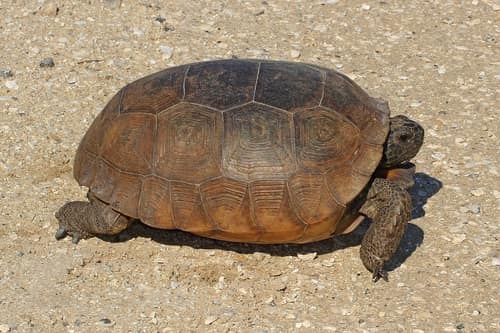
Symbiont Judy Gallagher / CC BY 2.0 · cc-by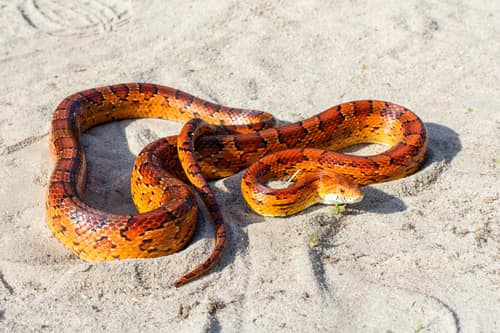
Neighbor (c) evangrimes, some rights reserved (CC BY), uploaded by evangrimes · cc-by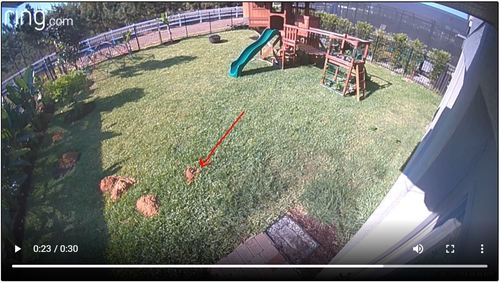
Prey (c) ashbyat, some rights reserved (CC BY) · cc-by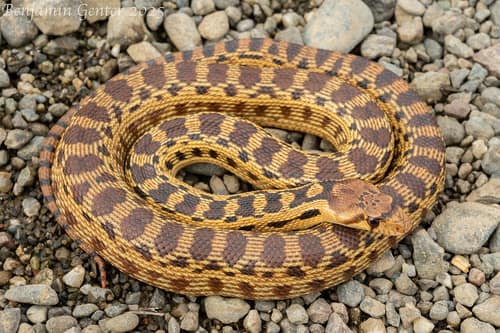
Close Relative Benjamin Genter / Public domain · cc0
Help improve the field guideSomething wrong?
Checking your Fauna account…Report a name, category, or profile issue for review.