
Insect
Anopheles mosquito
Anopheles mosquitoAlso known as Malaria Mosquito, Marsh Mosquito, Nail Mosquito
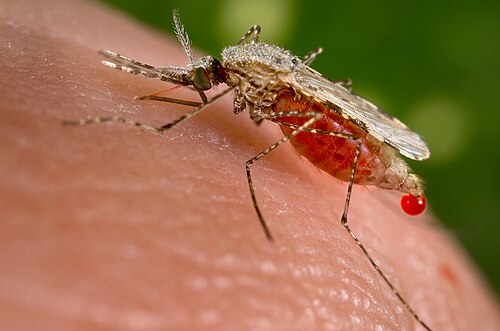
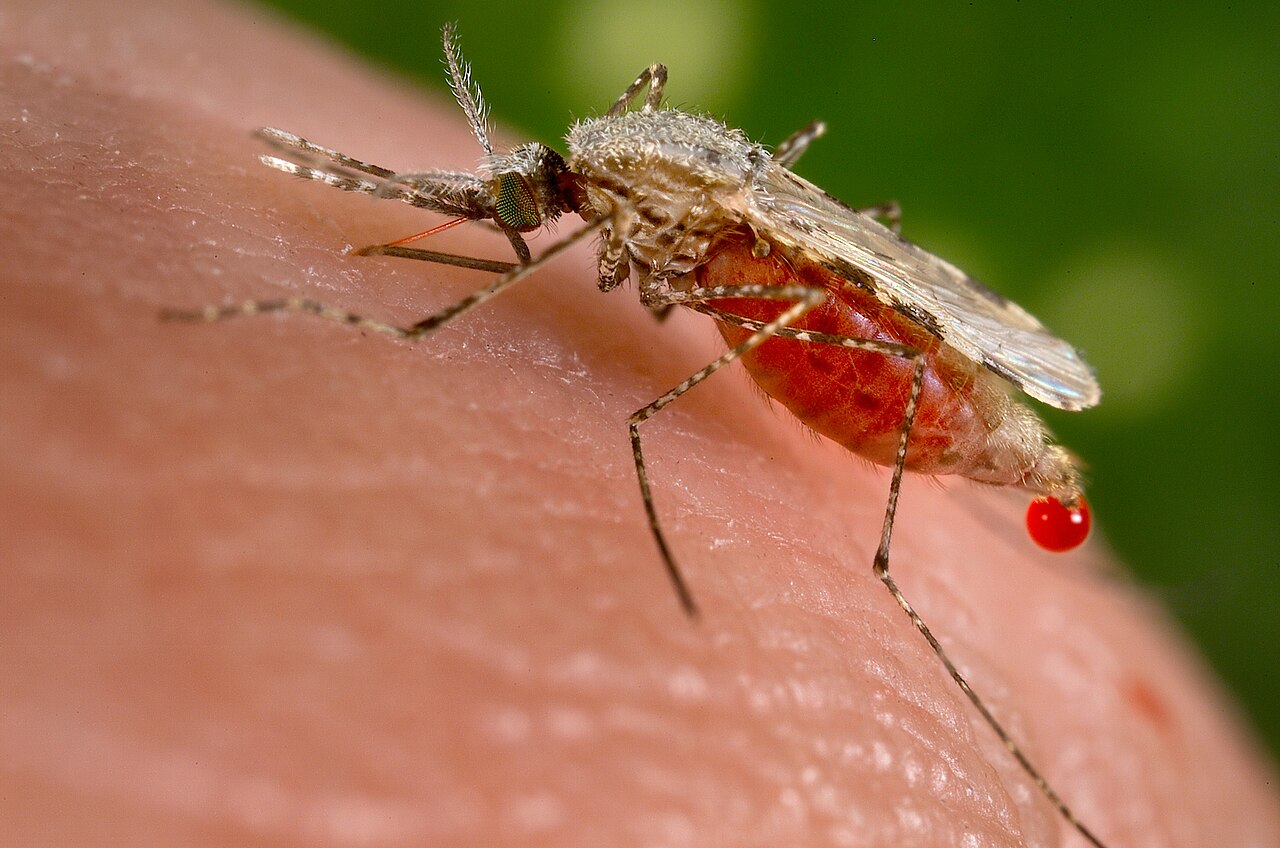
Females rest with their bodies tilted at a sharp 45-degree angle to surfaces, distinguishing them from other mosquito lineages whose abdomens lie parallel to the perch. While both sexes feed harmlessly on plant nectar to sustain daily flight, adult females require protein-rich blood meals from vertebrates to develop their eggs. Eggs are laid individually on standing water, equipped with lateral air floats that keep them buoyant until larvae hatch to graze on surface microbes.
NocturnalAquatic LarvaeCrepuscular
—observations
—countries
—peak records
Not EvaluatedConservation statusIUCN Red List categoriesLCNTVUENCREWEXNot Evaluated — not placed on the risk ladderRed List categories, explained →
Diet & preyPlant Nectar, Vertebrate Blood, Aquatic Microorganisms
Predators
- Mosquitofish
- Dragonfly Nymphs
- Bats
ThreatsInsecticide spraying, wetland drainage, biological predators
HabitatsFreshwater marshes, rice paddies, temporary pools, slow streams
Life span1–2 months
Classification
- FamilyCulicidae
- SpeciesAnopheles mosquito
Range data is not available yet.
Interaction riskModerate
- Low
- Moderate
- High
- Very high
- Why interaction risk is moderate
- Vector of malaria parasites; avoid bites by using repellent and sleeping under treated nets.
- Why it is dangerous
- Females transmit Plasmodium protozoans via saliva during blood meals, which multiply in host red blood cells and induce malaria.
- How to recognize a risky encounter
- Recognizable by palps as long as the proboscis and a distinctive head-down, steep-angled resting posture.
- What to do
- Do not attempt to collect wild specimens bare-handed; use treated mosquito netting and stay indoors after dusk in endemic areas.
Responsible observation
- Bite Prevention: Wear long-sleeved clothing treated with permethrin and apply DEET-based repellents during twilight hours.
- Eliminate Standing Water: Empty saucers, gutters, and buckets weekly to disrupt the egg and larval developmental cycle.
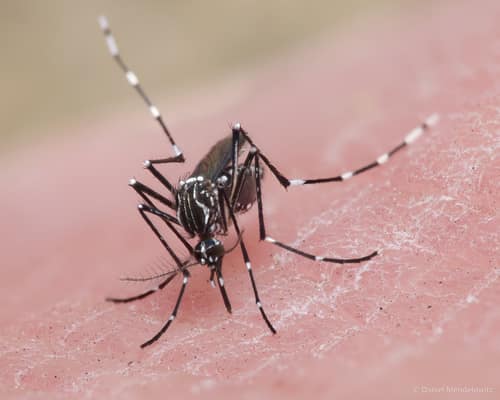
Competitor (c) Dan Mendelowitz, some rights reserved (CC BY), uploaded by Dan Mendelowitz · cc-by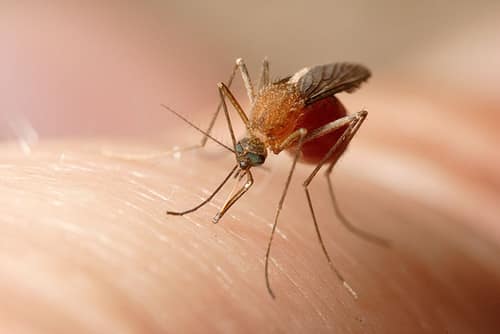
Competitor Urmas Tartes / CC BY-SA 4.0 · cc-by-sa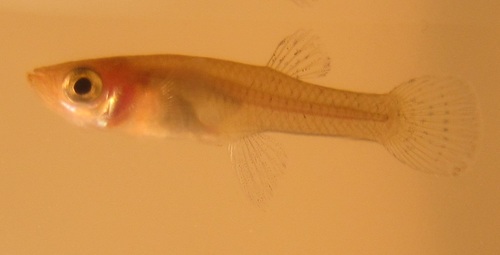
Predator no rights reserved, uploaded by Ken Kneidel · cc0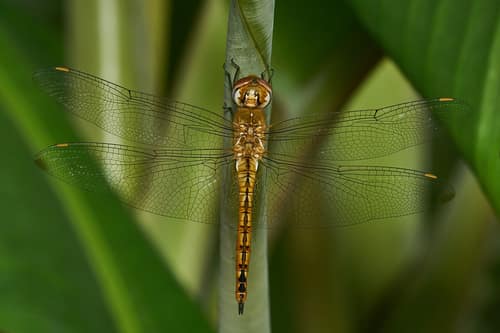
Predator Jeevan Jose, Kerala, India / CC BY-SA 4.0 · cc-by-sa
Help improve the field guideSomething wrong?
Checking your Fauna account…Report a name, category, or profile issue for review.