
Fungus
Trooping Funnel
Infundibulicybe geotropaAlso known as Monk's Head
Trooping funnels emerge late in the autumn woodland season, pushing up through thick leaf litter in dramatic troops, arcs, or massive fairy rings that can persist for centuries. The young fruiting bodies begin with a distinct central bump surrounded by an inrolled margin before expanding into wide, deeply depressed funnels with decurrent gills and a sweet, almond-like fragrance. As saprotrophs, their subterranean mycelia play a vital role in decomposing leaf litter and returning organic nutrients to forest soil.
FungusFairy RingAutumn
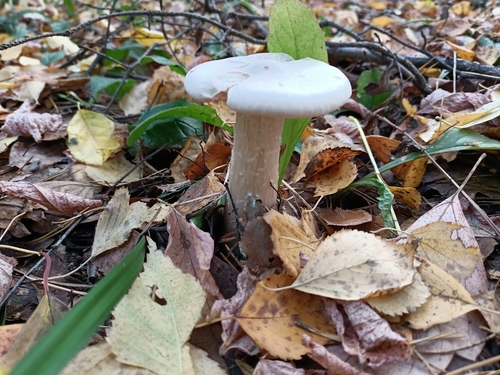
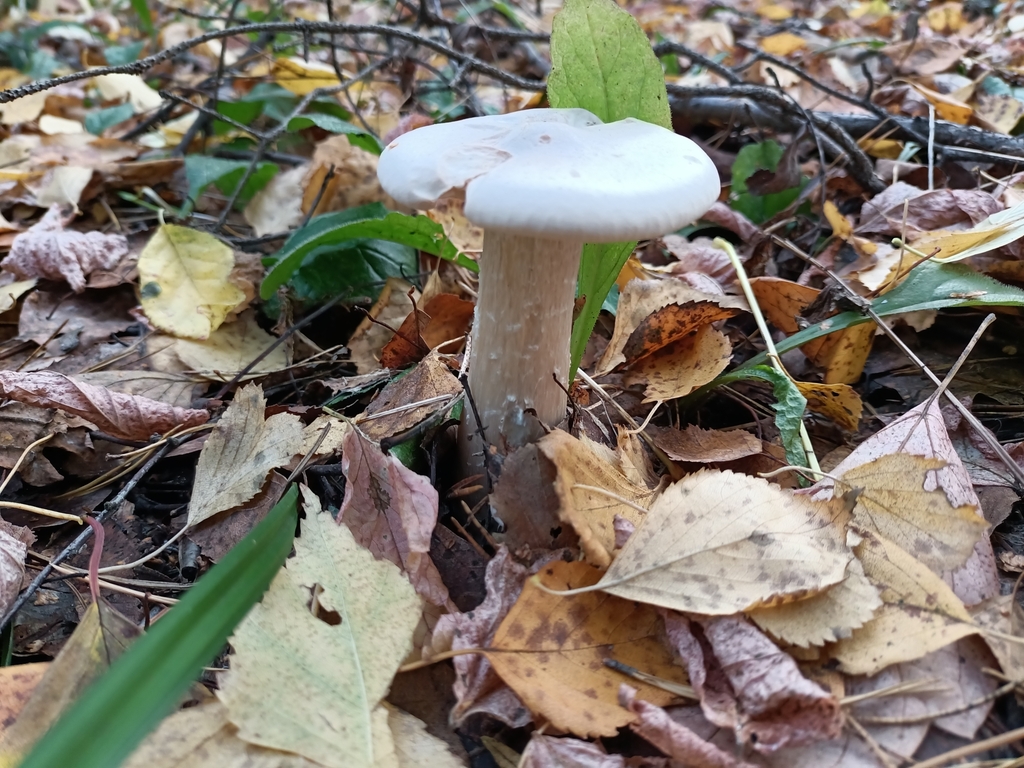
—observations
—countries
—peak records
Not EvaluatedConservation statusIUCN Red List categoriesLCNTVUENCREWEXNot Evaluated — not placed on the risk ladderRed List categories, explained →
Diet & preySaprotrophic (decomposing leaf litter and organic forest debris)
Predators
- Slugs
- Fungus Gnat Larvae
- Wood Mice
ThreatsHabitat disruption, intensive soil tillage, and clear-cutting
HabitatsDeciduous and mixed woodlands, grassy woodland edges, and clearings
Life spanFruiting body lasts 1–3 weeks; underground mycelial network can live for decades or centuries
Classification
- FamilyTricholomataceae
- SpeciesInfundibulicybe geotropa
Range data is not available yet.
Interaction riskLow
- Low
- Moderate
- High
- Very high
- Why interaction risk is low
- Many edible mushrooms have toxic look-alikes; never eat wild fungi based on app identification alone.
Responsible observation
- Look For The Umbo: Check the center of the broad funnel cap for a small, distinct raised bump.
- Inspect The Gills: Note the deeply decurrent, closely spaced gills running down the stout stalk.
- Observe Ring Formation: Trace wide curves across forest clearings to spot the massive fungal colonies.
 Image unavailable
Look-alike 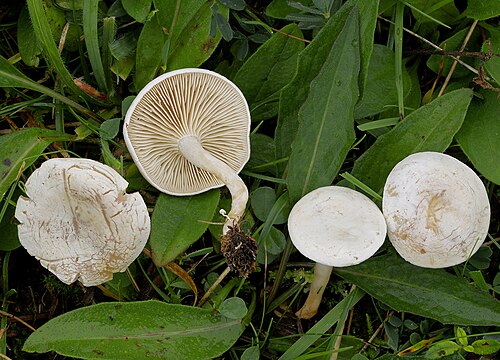
Toxic Look-alike Andreas Kunze / CC BY-SA 3.0 · cc-by-sa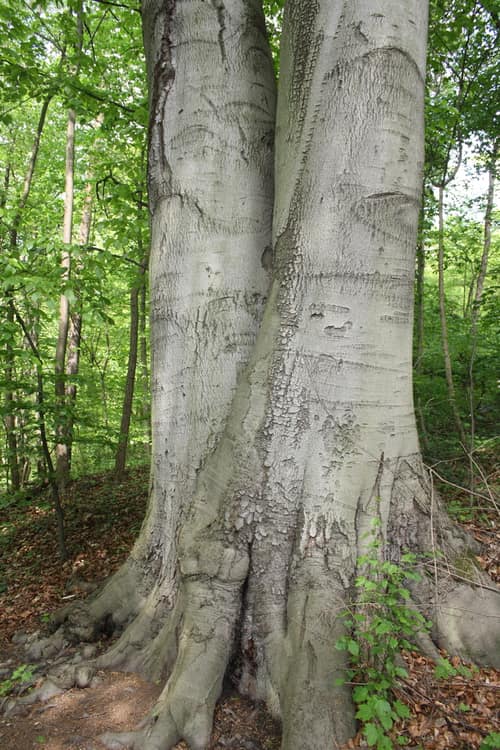
Habitat Partner (c) Daniel Linzbauer, some rights reserved (CC BY), uploaded by Daniel Linzbauer · cc-by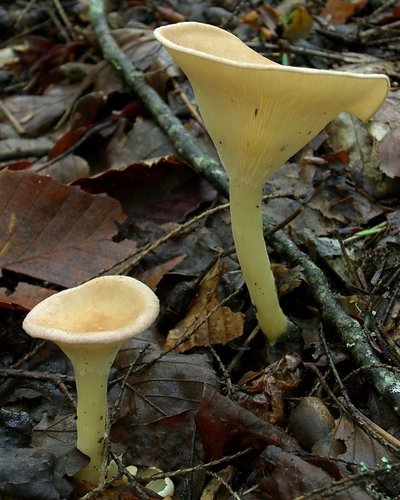
Close Relative (c) Jason Hollinger, some rights reserved (CC BY) · cc-by
Help improve the field guideSomething wrong?
Checking your Fauna account…Report a name, category, or profile issue for review.