
Reptile
Mourning Gecko
Lepidodactylus lugubrisAlso known as Common Smooth-scaled Gecko
Mourning geckos are renowned for reproducing almost entirely through obligate parthenogenesis, meaning all-female populations lay clutches of fertile eggs without needing males. They communicate using complex vocal repertoires of rapid chirps and squeaks to establish social hierarchies, often raising their tails and bobbing their heads in territorial displays. Extremely adaptable and skilled climbers, they thrive in coastal vegetation as well as on exterior walls of human dwellings across tropical islands and coasts.
NocturnalParthenogeneticVocal
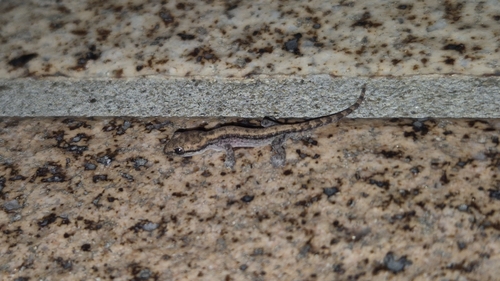
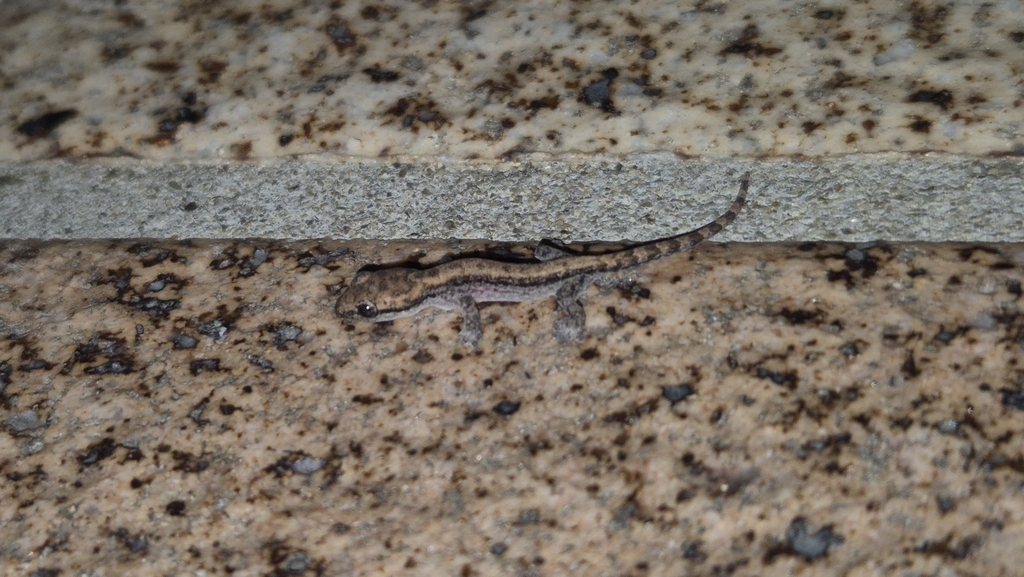
—observations
—countries
—peak records
Least ConcernConservation statusIUCN Red List categoriesLCNTVUENCREWEXLeast ConcernRed List categories, explained →
Diet & preyFruit flies, Moths, Spiders
Predators
- Common House Gecko
- Kingfishers
- Tree snakes
ThreatsPredation and competitive displacement by larger introduced geckos, and widespread pesticide use
HabitatsCoastal forests, mangroves, gardens, coconut groves, and human buildings
Life span5–10 years
Classification
- FamilyGekkonidae
- GenusLepidodactylus
- SpeciesLepidodactylus lugubris
Range data is not available yet.
Interaction riskLow
- Low
- Moderate
- High
- Very high
- Why interaction risk is low
- Safe to observe at a normal distance.
Responsible observation
- Night Spotting: Scan illuminated exterior walls and ceilings near outdoor lamps after dusk.
- Listen Closely: Listen for soft, repeating click or chirp sequences used during social disputes.
- Gentle Observation: Avoid sudden movements or touching, as their tails fracture and detach easily when grabbed.
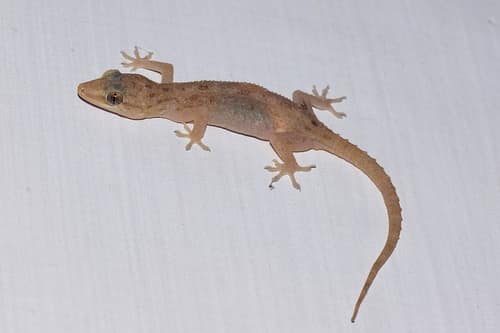
Competitor Vengolis / CC BY-SA 3.0 · CC BY-SA 3.0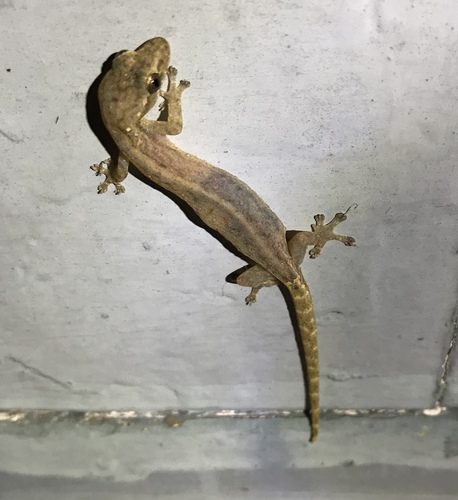
Ecological Neighbor (c) Mike Dickison, some rights reserved (CC BY), uploaded by Mike Dickison · cc-by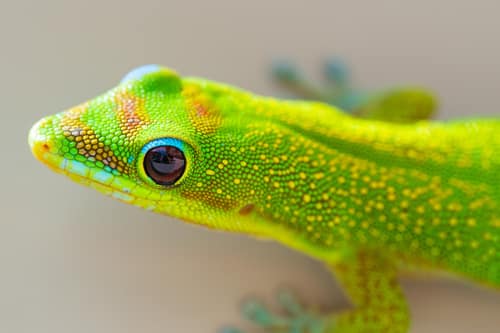
Competitor (c) cello caruso-turiello, some rights reserved (CC BY), uploaded by cello caruso-turiello · cc-by
Keep collecting in Fauna
Found in Collections
Species set Pro
Emerald Kingdom
Mourning Gecko is found in this collection. Identify it in Fauna to fill this slot and continue your progress.
Unlock to track progress
Help improve the field guideSomething wrong?
Checking your Fauna account…Report a name, category, or profile issue for review.