
Fungus · GBIF taxon 9156243
Peppery Bolete
Chalciporus piperatusAlso known as Pepper Bolete
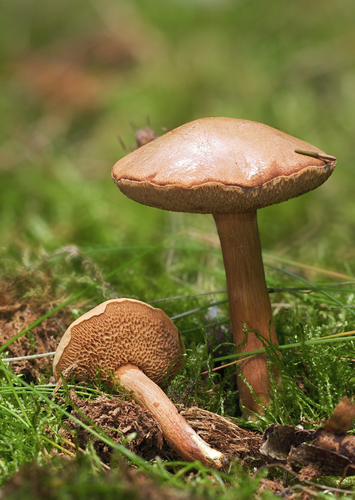
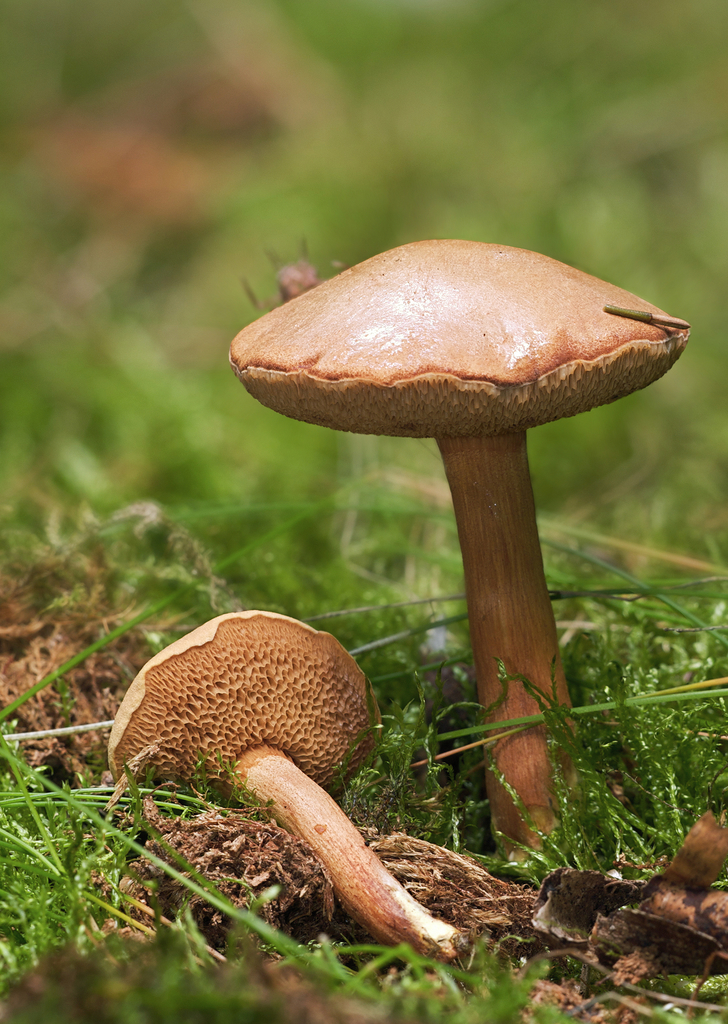
Peppery boletes feature small, cinnamon-brown to reddish-ochre caps paired with distinctly angular, rust-colored pores and a bright yellow mycelial base. They frequently grow in association with coniferous trees and birch, often appearing near fly agarics where they may act as mycoparasites or specialized mycorrhizal partners. Their firm flesh and distinctive yellowish stem base make them an intriguing find during late summer and autumn forest walks.
FungusBoleteForest Floor
—observations
—countries
—peak records
Least ConcernConservation statusIUCN Red List categoriesLCNTVUENCREWEXLeast ConcernRed List categories, explained →
Diet & prey
- Tree Root Carbohydrates
- Dissolved Soil Minerals
Predators
- Fungus Gnats
- Slugs
- Squirrels
ThreatsDeforestation and heavy soil compaction
HabitatsConiferous and mixed woodlands, acidic soils
Life spanFruiting body lasts 1–2 weeks
Classification
- OrderBoletales
- FamilyBoletaceae
- GenusChalciporus
- SpeciesChalciporus piperatus
Range data is not available yet.
Interaction riskLow
- Low
- Moderate
- High
- Very high
- Why interaction risk is low
- Many edible mushrooms have toxic look-alikes; never eat wild fungi based on app identification alone.
Responsible observation
- Observe the stem base: Check for bright yellow mycelial threads at the substrate level.
- Examine the pores: Look for angular, rust-cinnamon pores that do not turn blue when cut.
- Note tree associations: Look closely around nearby pines, spruces, and birches.
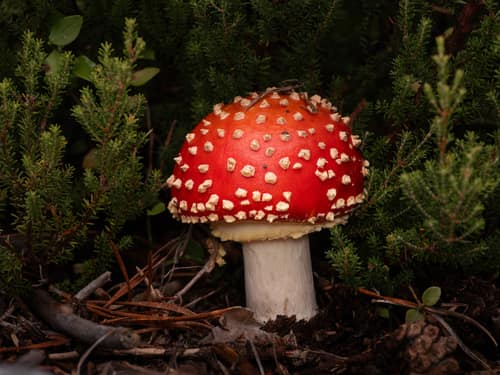
Frequent Companion (c) Borja Fierro, some rights reserved (CC BY), uploaded by Borja Fierro · cc-by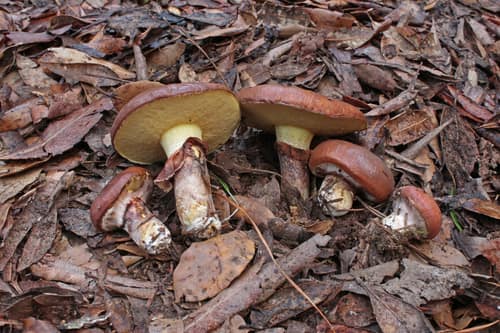
Habitat Neighbor (c) Davide Puddu, some rights reserved (CC BY), uploaded by Davide Puddu · cc-by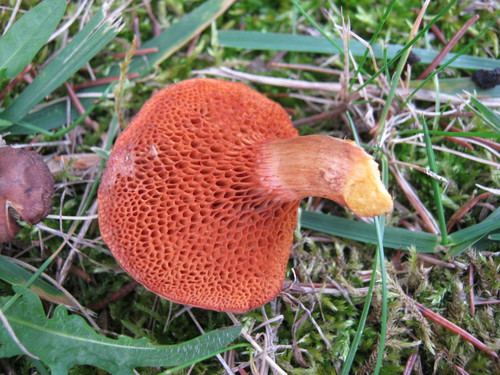
Close Relative (c) Erlon Bailey, some rights reserved (CC BY-SA), uploaded by Erlon Bailey · cc-by-sa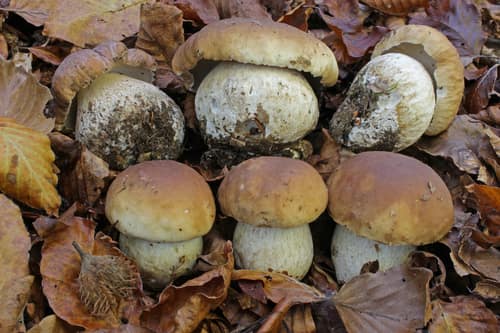
Family Relative (c) Davide Puddu, some rights reserved (CC BY), uploaded by Davide Puddu · cc-by
Keep collecting in Fauna
Found in Collections
Species set Pro
Fungi Forager
Peppery Bolete is found in this collection. Identify it in Fauna to fill this slot and continue your progress.
Unlock to track progress
Help improve the field guideSomething wrong?
Checking your Fauna account…Report a name, category, or profile issue for review.