
Plant
Alfalfa
Medicago sativaAlso known as Lucerne, Purple Medic, Chilean Clover, Lucerne Clover
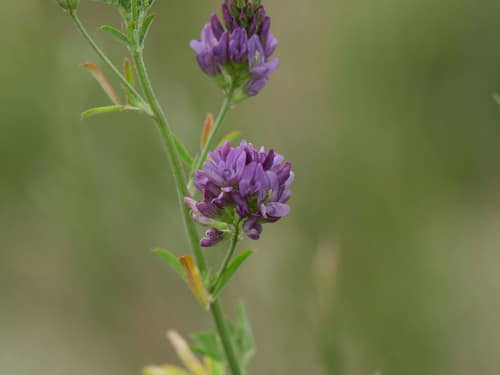
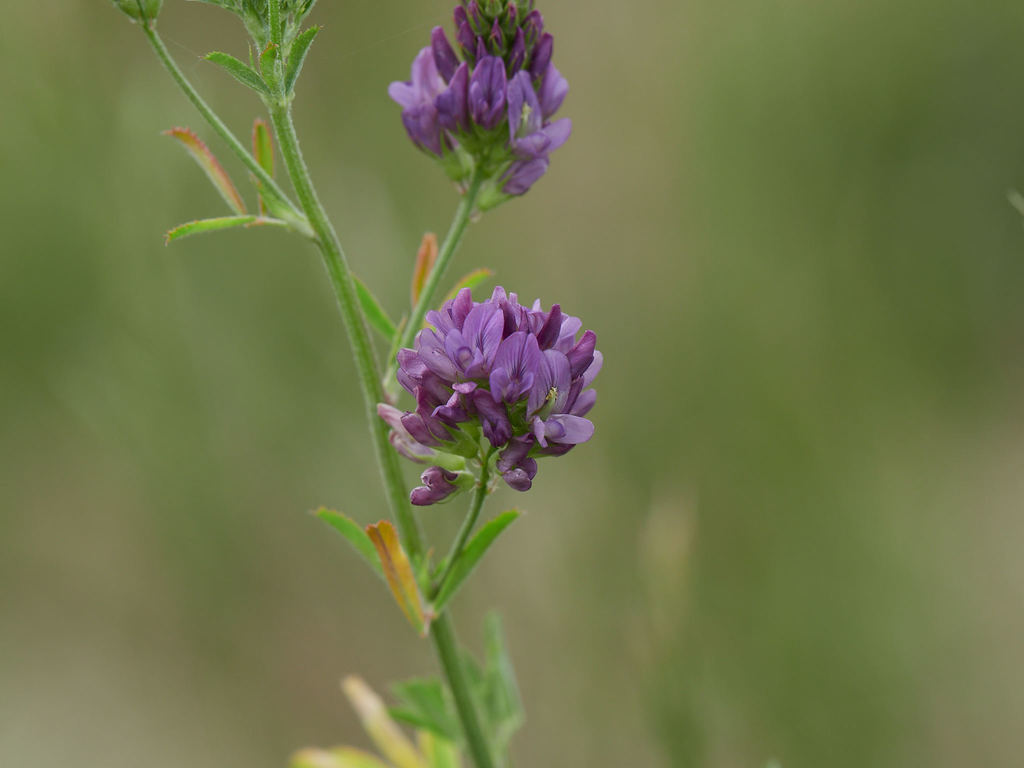
Deep-rooted and resilient, alfalfa produces dense clusters of small purple flowers that attract a wide array of pollinators throughout summer. Specialized root nodules house symbiotic bacteria that convert atmospheric nitrogen into rich soil nutrients, enriching surrounding ground. Farmers have cultivated this forage legume for thousands of years, valuing its high protein content and deep taproot system that survives extreme heat.
FloweringAgriculturalPerennial
—observations
—countries
—peak records
Least ConcernConservation statusIUCN Red List categoriesLCNTVUENCREWEXLeast ConcernRed List categories, explained →
Diet & preySunlight, Water, Atmospheric Nitrogen
Predators
- Alfalfa Weevil
- Aphids
- Grazing Livestock
ThreatsSevere drought, alfalfa weevil infestations, fungal leaf spot
HabitatsAgricultural fields, pastures, meadows, roadsides
Life span4–8 years (up to 20 years)
Classification
- OrderFabales
- FamilyFabaceae
- GenusMedicago
- SpeciesMedicago sativa
Range data is not available yet.
Interaction riskLow
- Low
- Moderate
- High
- Very high
- Why interaction risk is low
- Safe to observe at a normal distance.
Responsible observation
- Flower Identification: Look for dense clusters of purple pea-like blossoms atop branched stems.
- Pollinator Watching: Observe visits by solitary bees that trigger the explosive stamen mechanism.
- Soil Inspection: Dig gently around roots to observe small nitrogen-fixing bacterial nodules.
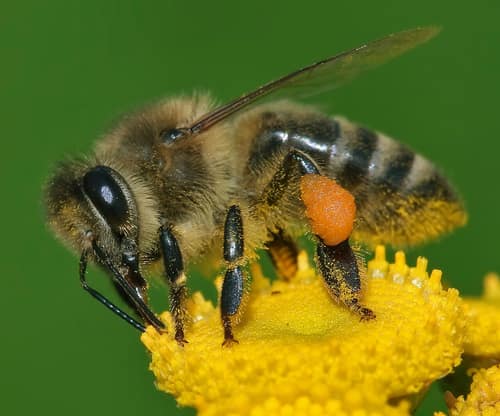
Pollinator Andreas Trepte / CC BY-SA 2.5 · cc-by-sa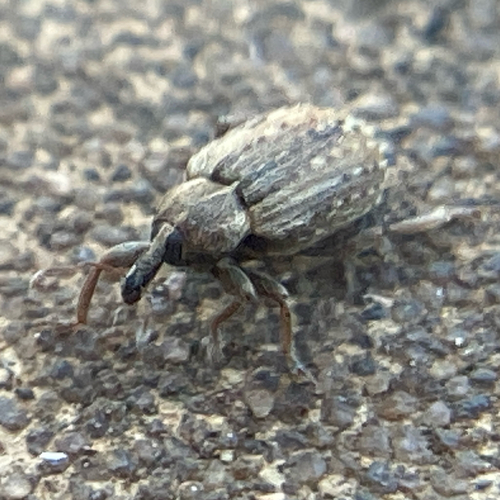
Herbivore Pest (c) F. LaBry, some rights reserved (CC BY) · cc-by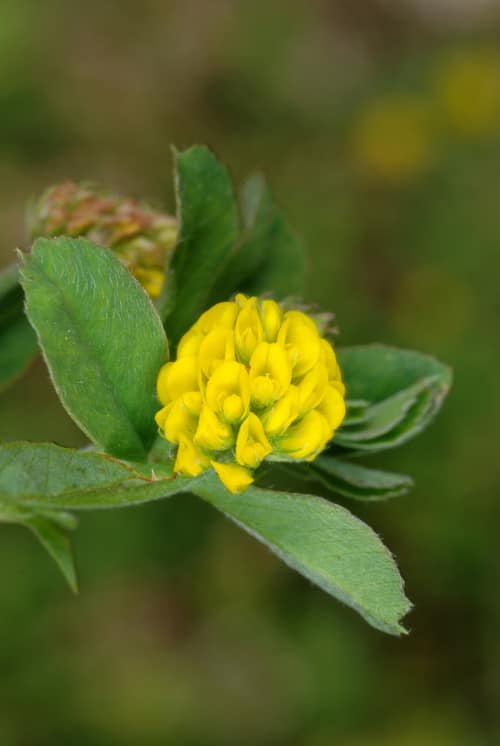
Close Relative (c) Douglas Goldman, some rights reserved (CC BY-SA), uploaded by Douglas Goldman · cc-by-sa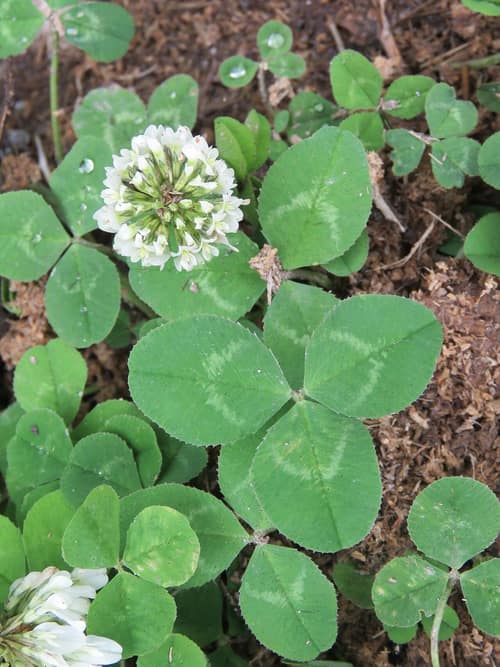
Legume Relative Vinayaraj / CC BY-SA 4.0 · cc-by-sa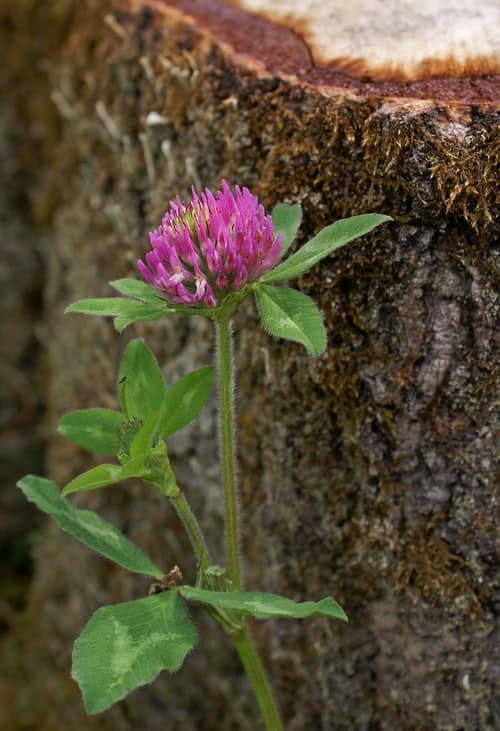
Legume Relative "Red Clover" by randihausken is licensed under CC BY-SA 2.0. To view a copy of this license, visit https://creativecommons.org/licenses/by-sa/2.0/. · cc-by-sa
Help improve the field guideSomething wrong?
Checking your Fauna account…Report a name, category, or profile issue for review.