
Plant · GBIF taxon 9148577
Grey Alder
Alnus incanaAlso known as Tag Alder, Speckled Alder, Mountain Alder, White Alder
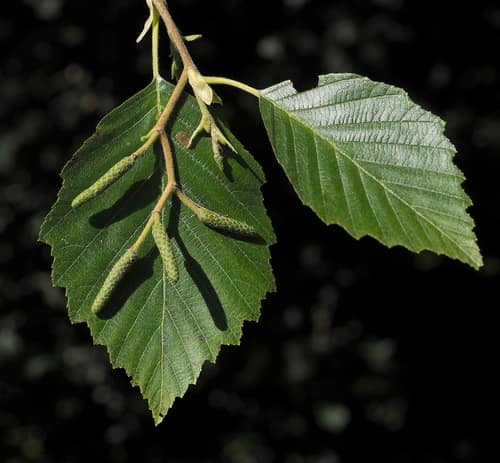
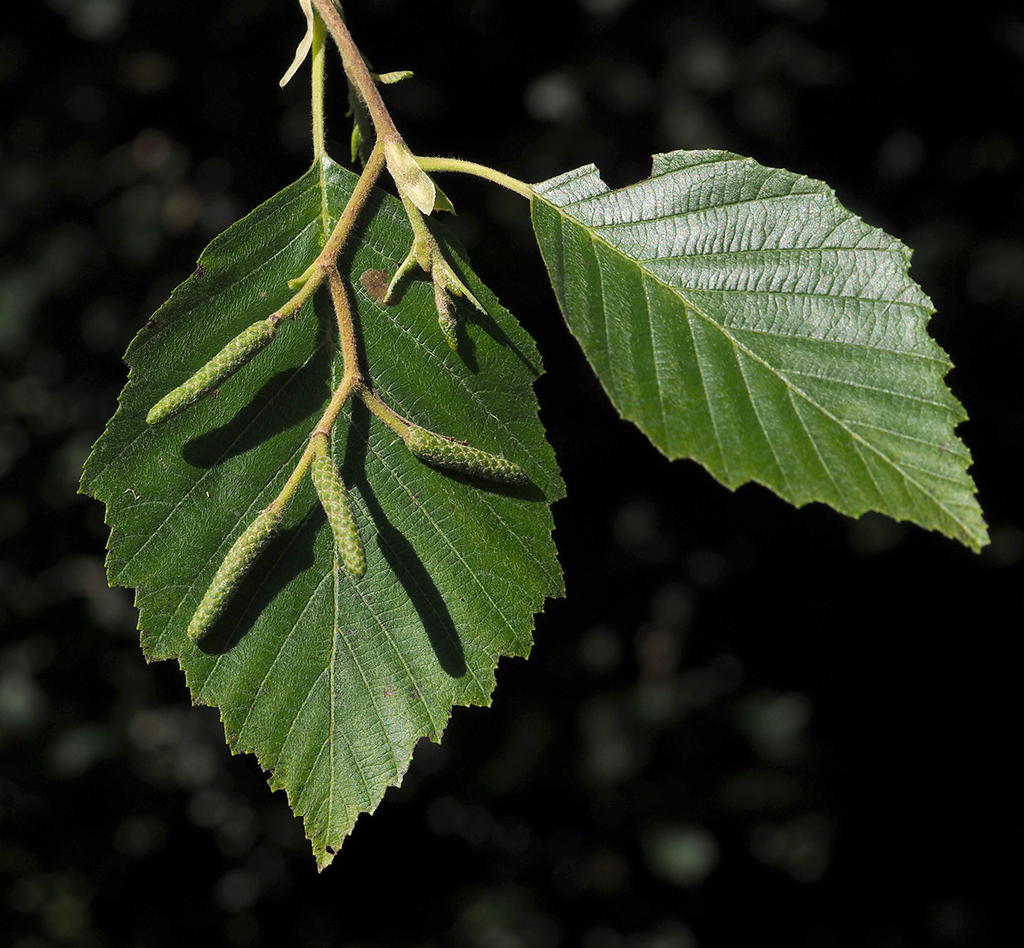
Grey alders thrive along riverbanks, swamps, and disturbed floodplains across the Northern Hemisphere where their roots form symbiotic associations with actinobacteria to fix nitrogen into infertile soils. Female catkins mature into woody cone-like structures that persist through winter, providing key seasonal forage for siskins, redpolls, and other small seed-eating birds. This multi-stemmed tree rapidly stabilizes eroding shorelines and acts as a vital pioneer species in cool wetland ecosystems.
WetlandDeciduousNitrogen-Fixing
—observations
—countries
—peak records
Least ConcernConservation statusIUCN Red List categoriesLCNTVUENCREWEXLeast ConcernRed List categories, explained →
Diet & prey
- Photosynthetic
Predators
- Beavers
- Alder leaf beetles
- White-tailed deer
ThreatsSevere drought, stream channelization, land development
HabitatsWetlands, riverbanks, swamps, moist thickets
Life span40–100 years
Size / weightNot available
Classification
- OrderFagales
- FamilyBetulaceae
- GenusAlnus
- SpeciesAlnus incana
Range data is not available yet.
Interaction riskLow
- Low
- Moderate
- High
- Very high
- Why interaction risk is low
- Safe to observe at a normal distance.
Responsible observation
- Winter Identification: Look for persistent woody female cones and dangling male catkins on bare winter twigs.
- Habitat Spotting: Search wet ditch margins, stream banks, and boggy woodland borders where water is abundant.
- Foliage Inspection: Check the undersides of dull green leaves for tiny greyish hairs and pale bark lenticels.
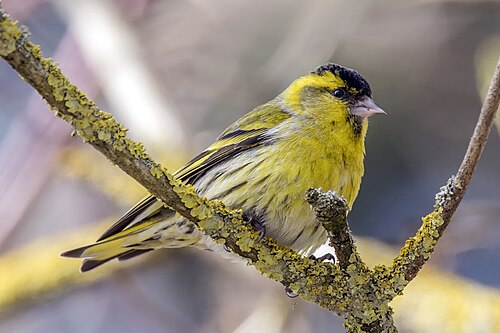
Seed Predator Charles J. Sharp / CC BY-SA 4.0 · cc-by-sa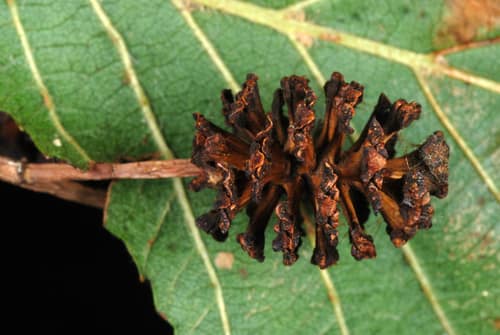
Close Relative (c) Douglas Goldman, some rights reserved (CC BY-SA), uploaded by Douglas Goldman · cc-by-sa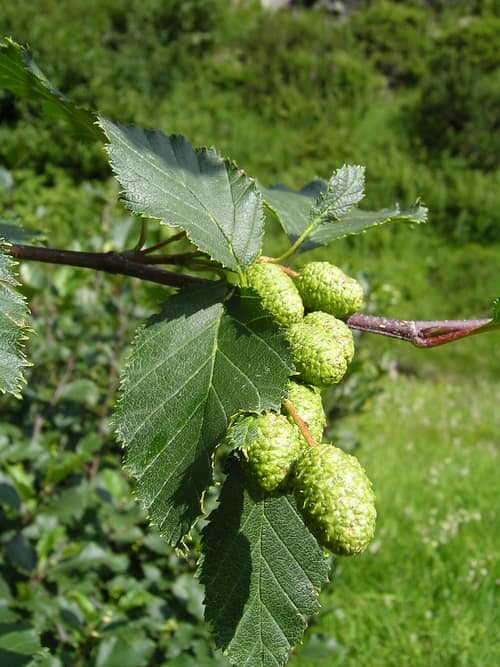
Close Relative Simon Eugster --– Simon / ?! 07:52, 20 October 2006 (UTC) / CC BY-SA 3.0 · cc-by-sa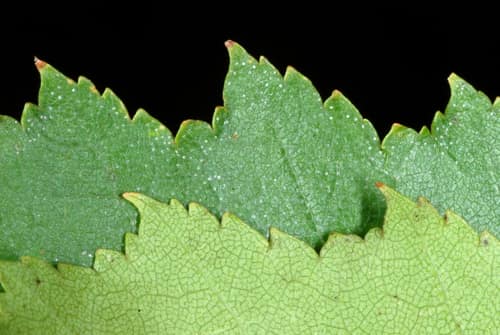
Family Relative (c) Douglas Goldman, some rights reserved (CC BY-SA), uploaded by Douglas Goldman · cc-by-sa
Help improve the field guideSomething wrong?
Checking your Fauna account…Report a name, category, or profile issue for review.