
Fungus · GBIF taxon 9134585
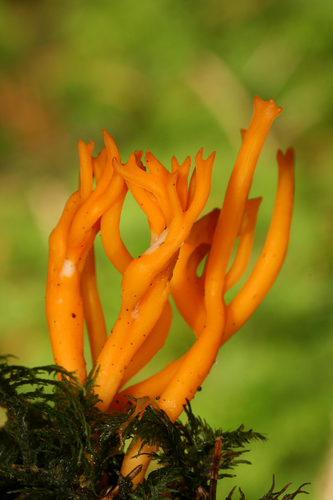
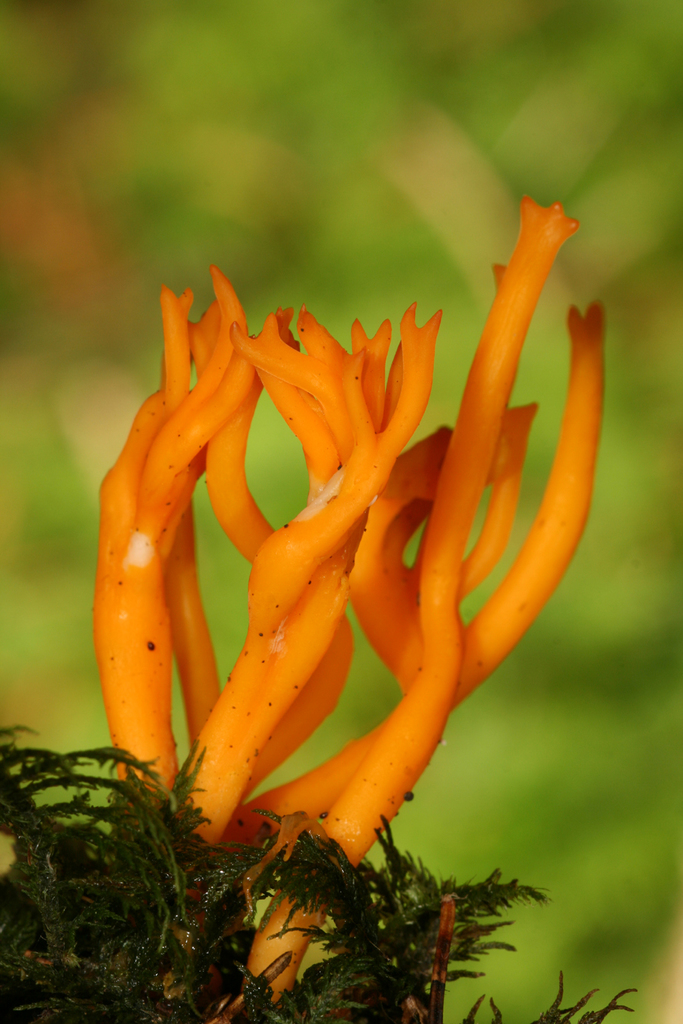
Jelly-antler
Calocera viscosaAlso known as Yellow Stagshorn, Coral Jelly Fungus, Jelly Staghorn, Yellow False Coral
Jelly-antler emerges as brilliant orange-yellow, rubbery forks from moss-covered conifer stumps and fallen logs throughout moist forests. Its tough, gelatinous branches retain their vivid color and moist texture even during heavy damp autumn rains, breaking down tough wood components. As a brown-rot fungus, it plays a vital ecological role by recycling nutrients back into acidic forest soils.
Bright YellowWood-DecayerJelly Fungus
—observations
—countries
—peak records
Least ConcernConservation statusIUCN Red List categoriesLCNTVUENCREWEXLeast ConcernRed List categories, explained →
Diet & prey
- Saprotrophic (decomposes dead conifer wood)
Predators
- Fungus Gnats
- Slugs
- Springtails
ThreatsForest clear-cutting and intensive removal of deadwood
HabitatsConiferous forests and mixed damp woodlands
Life spanFruiting bodies persist for several weeks; mycelium lives indefinitely
Size / weightNot available
Classification
- FamilyDacrymycetaceae
- SpeciesCalocera viscosa
Range data is not available yet.
Interaction riskLow
- Low
- Moderate
- High
- Very high
- Why interaction risk is low
- Many wild mushrooms have toxic look-alikes; never eat wild fungi based on app identification alone.
Responsible observation
- Substrate Observation: Look for bright orange-yellow tufts emerging directly from decaying conifer wood, often amidst damp moss.
- Tactile Identification: Gently feel the branches to note their firm, pliable, rubbery texture, which distinguishes them from brittle coral fungi.
- Seasonal Timing: Search after heavy rains from late summer through autumn when fruiting bodies peak in wet woodland environments.
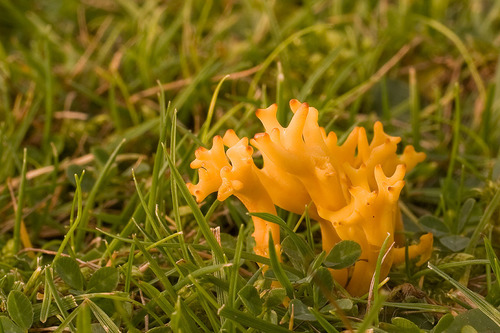
Look-Alike (c) David Evans, some rights reserved (CC BY) · cc-by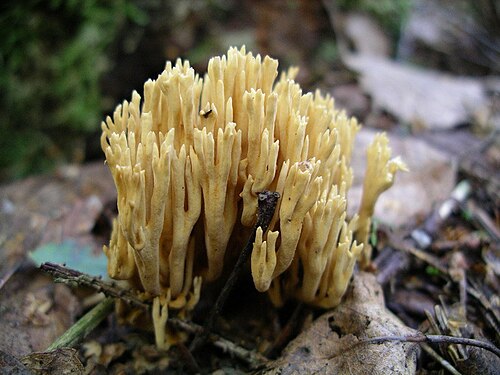
Look-Alike Nomeda Vėlavičienė / CC BY-SA 3.0 · cc-by-sa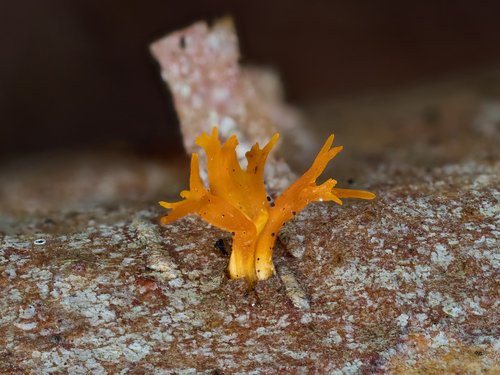
Close Relative (c) Justin Paulin, some rights reserved (CC BY), uploaded by Justin Paulin · cc-by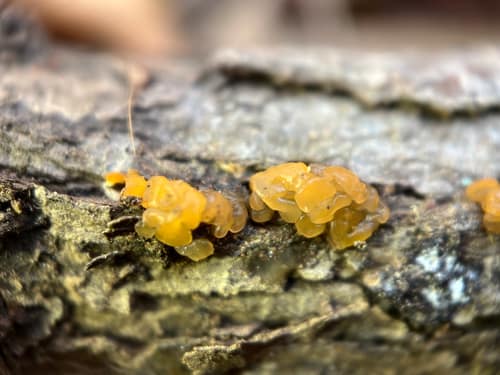
Close Relative (c) Serenella Linares, some rights reserved (CC BY) · cc-by
Help improve the field guideSomething wrong?
Checking your Fauna account…Report a name, category, or profile issue for review.