
Fungus · GBIF taxon 9129313
Trainwrecker
Neolentinus lepideusAlso known as Scaly Sawgill, Scaly Lentinus
Trainwreckers are robust, wood-decaying mushrooms renowned for their tough, pale caps covered in coarse brownish scales and distinctively serrated, saw-toothed gill edges. They play a specialized ecological role as brown-rot fungi, breaking down cellulose in conifer wood while leaving behind dark, cubical chunks of lignin. Their popular common name stems from their historic ability to rot railway ties and bridge timbers despite heavy creosote treatment, occasionally causing structural failures in early transit infrastructure.
Wood-DecayingBrown RotConifer Specialist
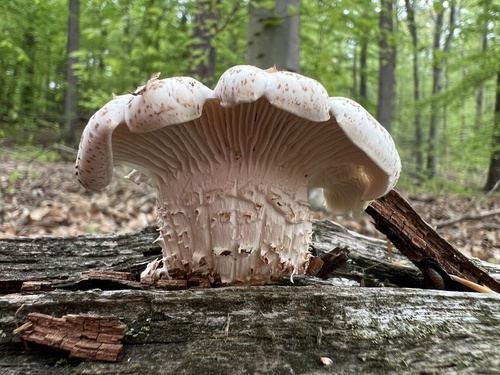
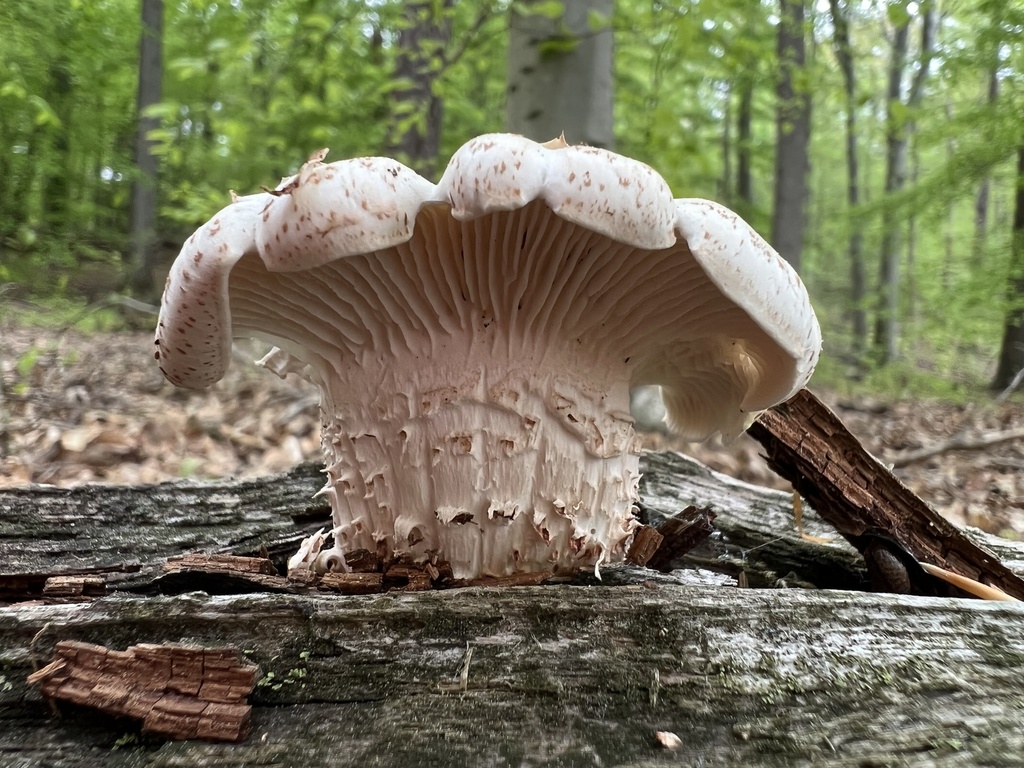
—observations
—countries
—peak records
Not EvaluatedConservation statusIUCN Red List categoriesLCNTVUENCREWEXNot Evaluated — not placed on the risk ladderRed List categories, explained →
Diet & prey
- Saprotrophic (wood-decaying)
Predators
- Fungus Gnats
- Mycophagous Beetles
- Slugs
ThreatsIntensive forestry that removes coarse woody debris and modern deep-penetrating wood preservatives
HabitatsConiferous forests, logged woodlands, timber rail beds, and outdoor wooden structures
Life spanFruiting bodies persist 2–4 weeks; mycelial networks survive for decades
Size / weightNot available
Classification
- OrderGloeophyllales
- FamilyGloeophyllaceae
- GenusNeolentinus
- SpeciesNeolentinus lepideus
Range data is not available yet.
Interaction riskLow
- Low
- Moderate
- High
- Very high
- Why interaction risk is low
- Many edible mushrooms have toxic look-alikes; never eat wild fungi based on app identification alone.
Responsible observation
- Check the Gills: Examine the gill edges closely with a hand lens to see the distinct, jagged teeth that separate sawgills from standard agarics.
- Inspect the Wood: Look for specimens on old conifer stumps, fallen pine logs, and weathered outdoor lumber from late spring through autumn.
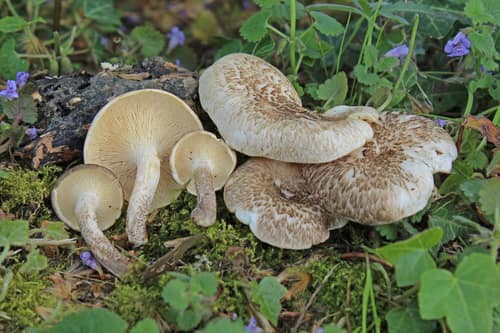
Look-alike (c) Davide Puddu, some rights reserved (CC BY), uploaded by Davide Puddu · cc-by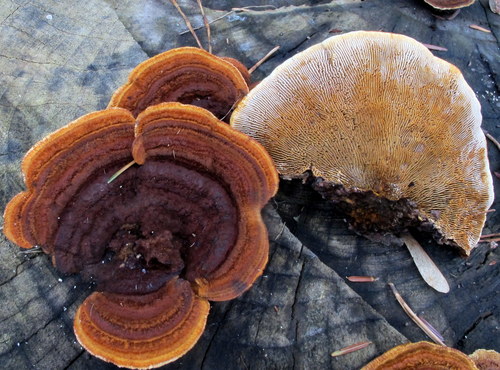
Same Family (c) mycowalt, some rights reserved (CC BY-SA), uploaded by mycowalt · cc-by-sa Image unavailable
Close Relative
Help improve the field guideSomething wrong?
Checking your Fauna account…Report a name, category, or profile issue for review.