
Mammal · GBIF taxon 9092265
Common Brown Lemur
Eulemur fulvusAlso known as Brown Lemur
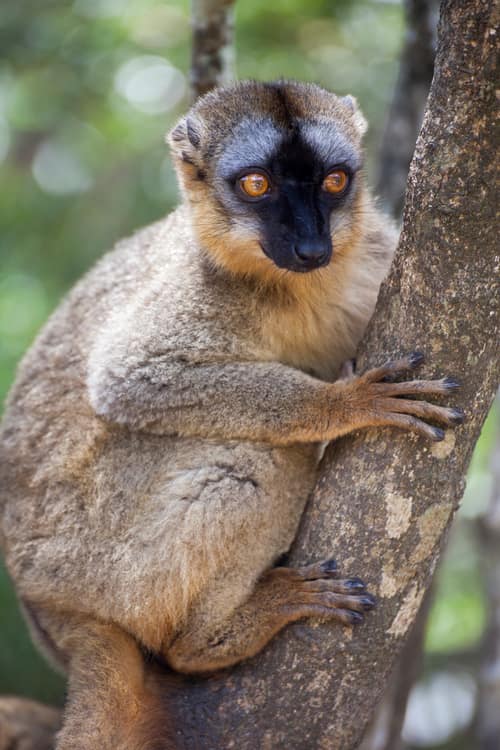
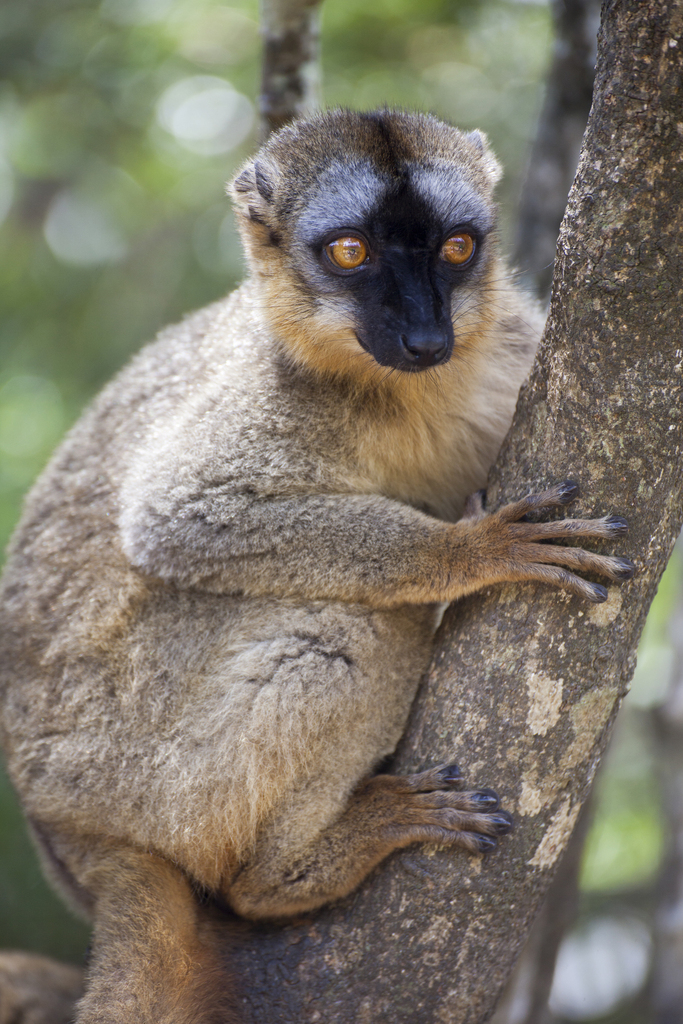
Travelling through the canopy in groups of five to a dozen individuals, these adaptable primates communicate with grunting calls as they forage for ripe fruit and fresh foliage. Their cathemeral lifestyle keeps them active during both day and night, adjusting their schedule based on seasonal moonlight and fruit availability. Female-led groups maintain home ranges across northwestern and eastern Madagascar, serving as crucial seed dispersers for canopy trees.
ArborealSocialCathemeral
—observations
—countries
—peak records
VulnerableConservation statusIUCN Red List categoriesLCNTVUENCREWEXVulnerableRed List categories, explained →
Diet & prey
- Fruits
- Young Leaves
- Nectar
Predators
- Fossa
- Madagascar Harrier-Hawk
- Madagascar Tree Boa
ThreatsDeforestation, habitat fragmentation, and bushmeat hunting
HabitatsTropical rainforests and dry deciduous forests
Life span20 to 25 years
Size / weightNot available
Classification
- FamilyLemuridae
- SpeciesEulemur fulvus
Native
Interaction riskLow
- Low
- Moderate
- High
- Very high
- Why interaction risk is low
- Wild primates can bite or scratch if approached or cornered; maintain a respectful distance.
- What to notice
- Look for a uniform grey-brown coat with a distinctive dark face and pale eyebrows high in the forest canopy.
- Support conservation
- Observe quietly from established trails and never attempt to entice or corner individuals.
Responsible observation
- Observation Distance: Keep at least seven meters away to avoid stressing troops or spreading human diseases.
- Feeding Policy: Avoid offering food, which disrupts natural foraging and causes aggressive dependencies.
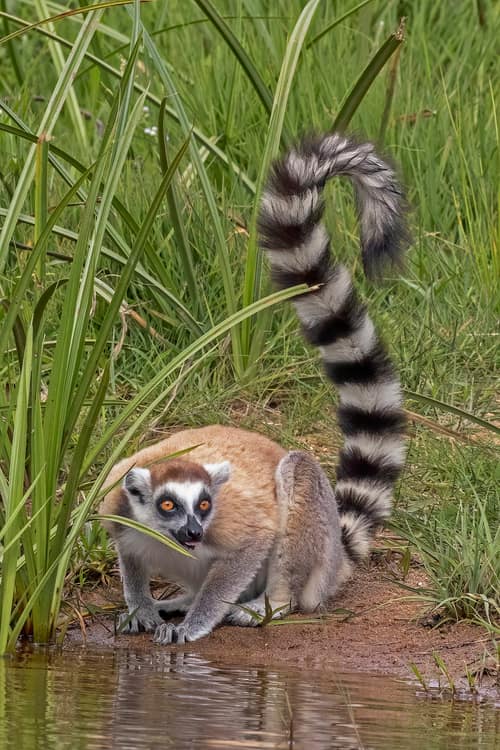
Co-occurring Primate Charles J. Sharp / CC BY-SA 4.0 · cc-by-sa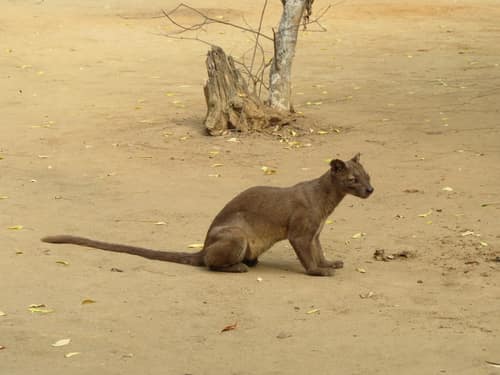
Predator (c) Micha Baum, some rights reserved (CC BY-SA), uploaded by Micha Baum · cc-by-sa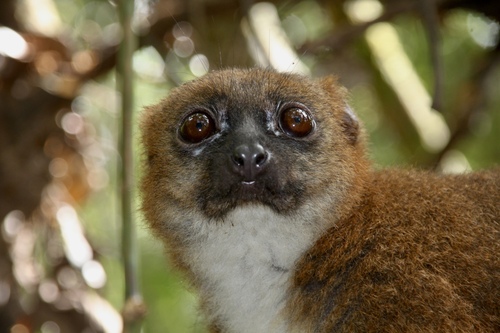
Close Relative (c) Matteo Bellucci, some rights reserved (CC BY), uploaded by Matteo Bellucci · cc-by Image unavailable
Close Relative
Help improve the field guideSomething wrong?
Checking your Fauna account…Report a name, category, or profile issue for review.