
Fungus · GBIF taxon 9050242
Common Fieldcap
Agrocybe pediadesAlso known as Common Agrocybe, Hemispheric Fieldcap
Common fieldcaps pop up abundantly in manicured lawns, pastures, and grassy parks after spring and summer rains. Young caps emerge hemispheric and moist, expanding to a flattened tan or pale yellow-brown disk with attached brownish gills. These small saprobes play a crucial ecological role by decomposing dead root matter and returning vital nutrients to the soil.
GrasslandSaprobicWidespread
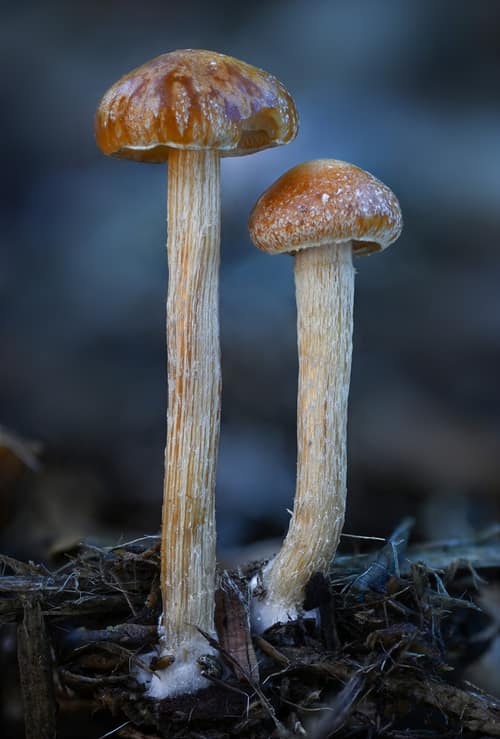
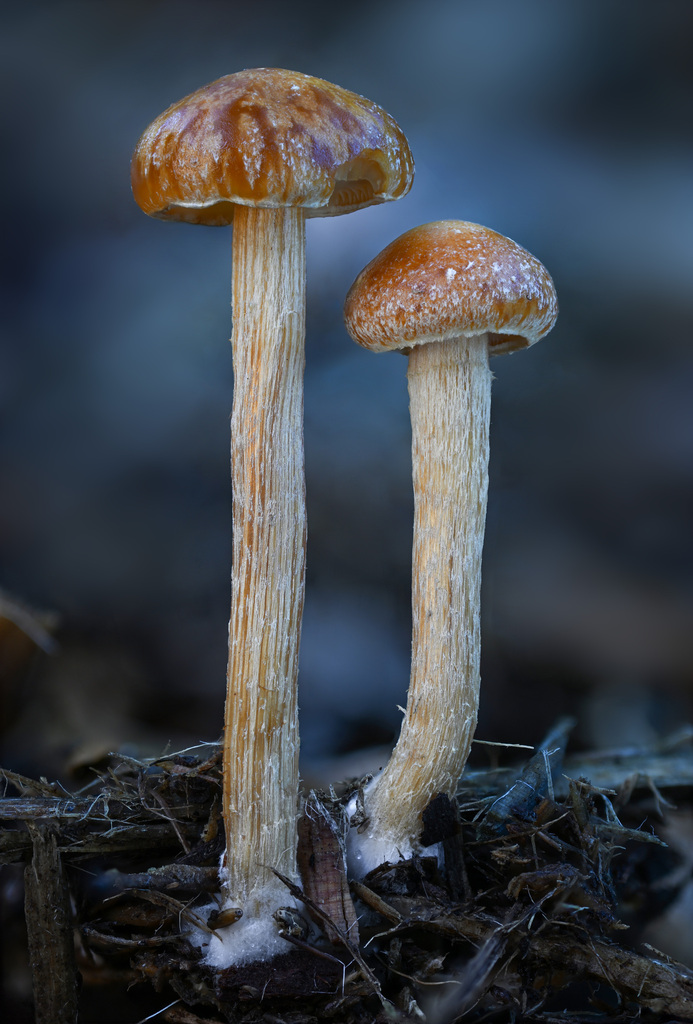 1 / 7
1 / 7—observations
—countries
—peak records
Not EvaluatedConservation statusIUCN Red List categoriesLCNTVUENCREWEXNot Evaluated — not placed on the risk ladderRed List categories, explained →
Diet & prey
- Saprobic (decomposer of plant debris)
Predators
- Slugs
- Fungus Gnats
- Soil Nematodes
ThreatsHeavy chemical pesticide and fungicide application
HabitatsGrasslands, lawns, pastures, roadsides
Life spanFruiting bodies persist 2–4 days; mycelium lives perennially
Size / weightNot available
Classification
- OrderAgaricales
- FamilyStrophariaceae
- GenusAgrocybe
- SpeciesAgrocybe pediades
Range data is not available yet.
Interaction riskLow
- Low
- Moderate
- High
- Very high
- Why interaction risk is low
- Many wild mushrooms have toxic look-alikes; never consume wild fungi based on app identification alone.
Responsible observation
- Inspect cap surface: Note how the slightly sticky top becomes smooth and pale tan as it dries.
- Spore testing: Make a spore print on white paper to confirm its rich brown spore color.
- Check stem base: Look for delicate white mycelial threads clinging to grass roots at the base.
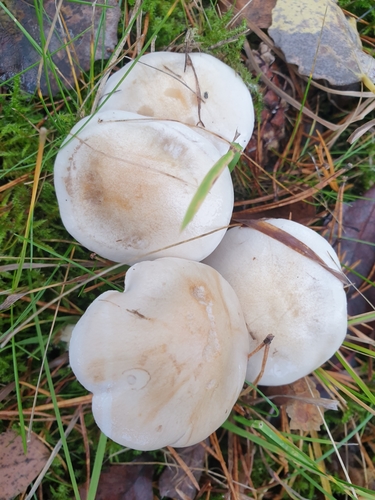
Toxic Look-Alike no rights reserved, uploaded by relet · cc0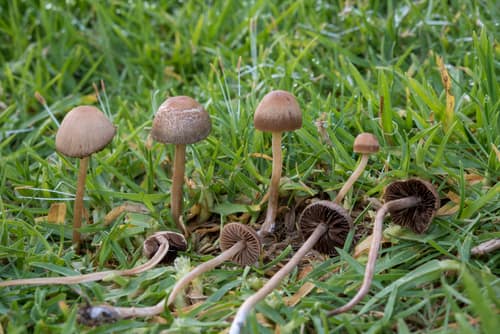
Competitor (c) Alan Rockefeller, some rights reserved (CC BY), uploaded by Alan Rockefeller · cc-by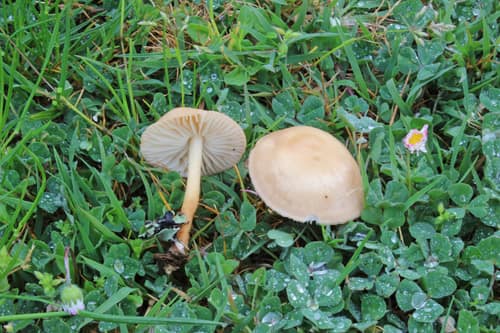
Frequent Companion (c) Davide Puddu, some rights reserved (CC BY), uploaded by Davide Puddu · cc-by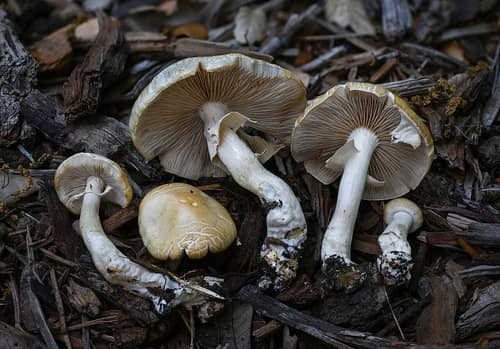
Close Relative Alan Rockefeller / CC BY 4.0 · cc-by
Help improve the field guideSomething wrong?
Checking your Fauna account…Report a name, category, or profile issue for review.