
Flower
Perennial Cornflower
Centaurea montanaAlso known as Mountain Cornflower, Mountain Bluet, Montane Knapweed, Bachelor's Button
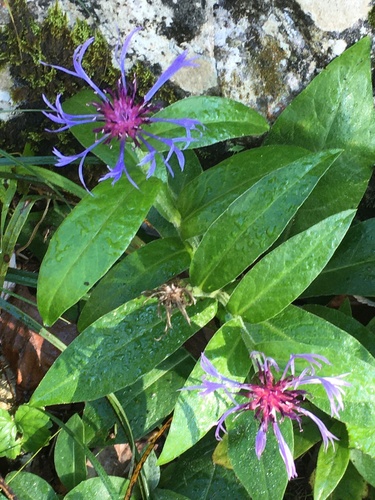
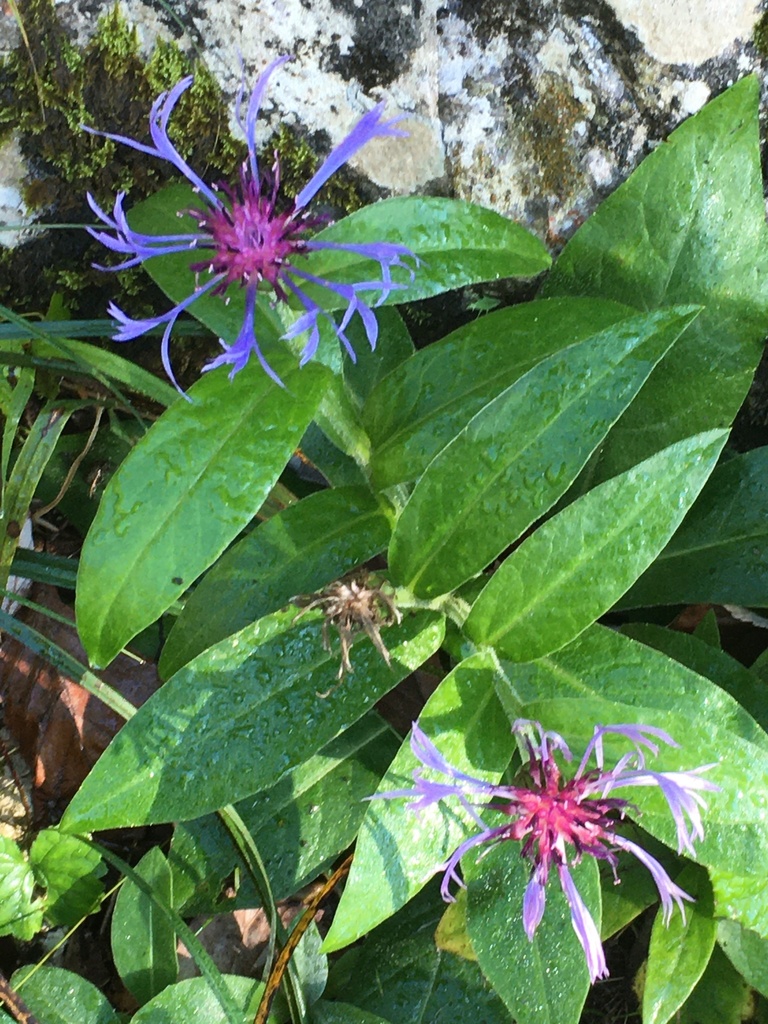
Perennial cornflower forms dense, spreading clumps via underground stolons across sunny subalpine meadows and open montane forests. The flower heads feature ragged, deep-cobalt ray florets surrounding a reddish-purple central disc that produces abundant nectar. After the primary late-spring flush, plants frequently yield a secondary flush of blooms if cut back before autumn.
PerennialFloweringMontane
—observations
—countries
—peak records
Least ConcernConservation statusIUCN Red List categoriesLCNTVUENCREWEXLeast ConcernRed List categories, explained →
Diet & preySunlight, Water, Soil Nutrients
Predators
- Roe Deer
- European Rabbit
- Slugs and Snails
ThreatsHabitat fragmentation, intense agricultural grazing, woody succession
HabitatsSubalpine meadows, open montane woodlands, calcareous rocky slopes
Life spanPerennial (5–10 years)
Classification
- OrderAsterales
- FamilyAsteraceae
- GenusCentaurea
- SpeciesCentaurea montana
Range data is not available yet.
Interaction riskLow
- Low
- Moderate
- High
- Very high
- Why interaction risk is low
- Safe to observe at a normal distance.
Responsible observation
- Best Viewing: Search along sunny montane meadow edges from May through August when floral heads are fully expanded.
- Pollinator Watching: Observe the broad outer florets on warm mornings to spot native bees and butterflies gathering nectar.
- Garden Management: Trim back stems after the initial summer flowering to stimulate tidy foliage and an autumn rebloom.
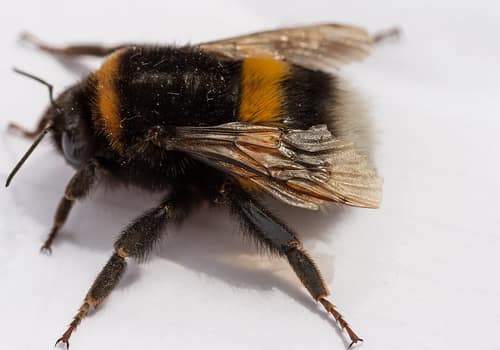
Pollinator Marco Almbauer / CC0 · cc0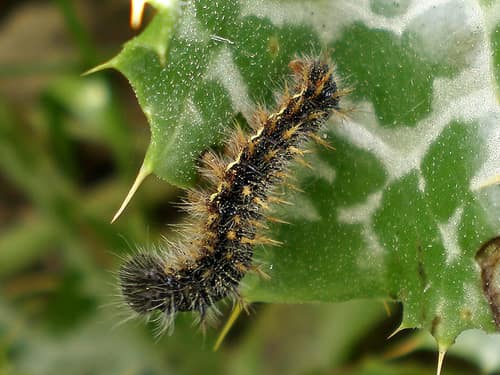
Pollinator no rights reserved, uploaded by Joan C. Hinojosa · cc0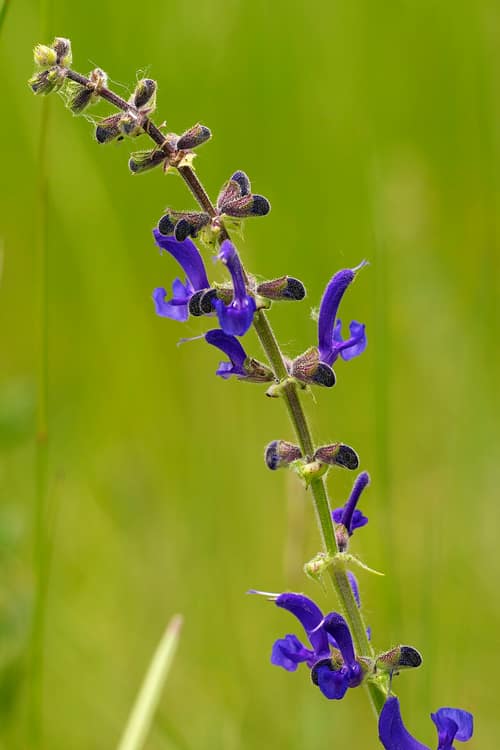
Frequent Companion Jörg Hempel / CC BY-SA 3.0 de · cc-by-sa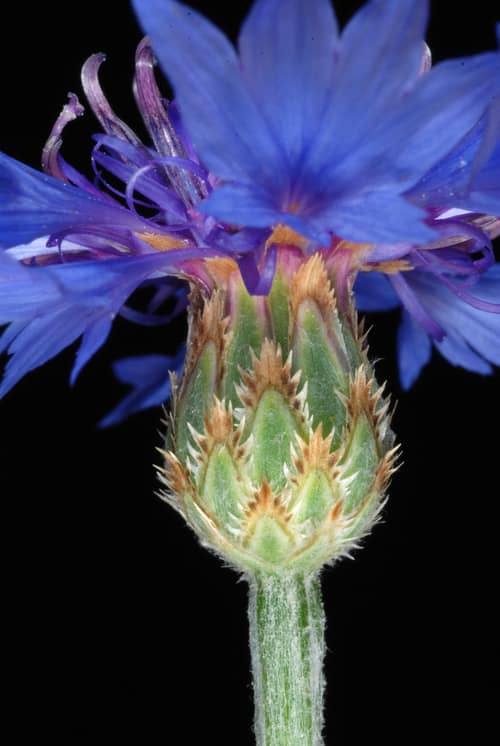
Close Relative (c) Douglas Goldman, some rights reserved (CC BY-SA), uploaded by Douglas Goldman · cc-by-sa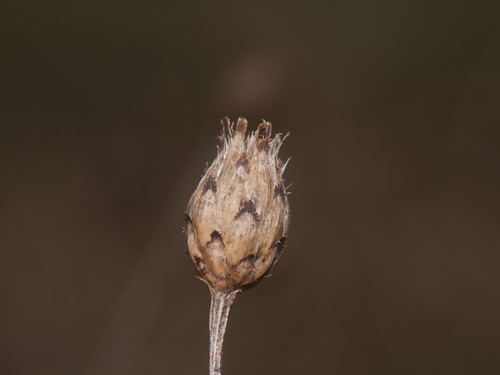
Close Relative (c) Alexis Tinker-Tsavalas, some rights reserved (CC BY), uploaded by Alexis Tinker-Tsavalas · cc-by
Help improve the field guideSomething wrong?
Checking your Fauna account…Report a name, category, or profile issue for review.