
Reptile
Common Spotted Whiptail
Aspidoscelis gularisAlso known as Texas Spotted Whiptail
Common spotted whiptails are hyperactive ground dwellers known for their jerky, rapid movements across sunny openings. They actively forage by digging into loose soil and leaf litter with their front limbs to flush out insect prey. Adults display a distinctive pattern of light longitudinal stripes interspersed with yellow or cream spots along a dark brown or black back.
ActiveFast-MovingDiurnal
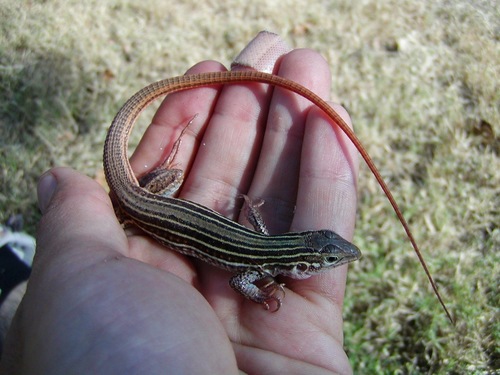
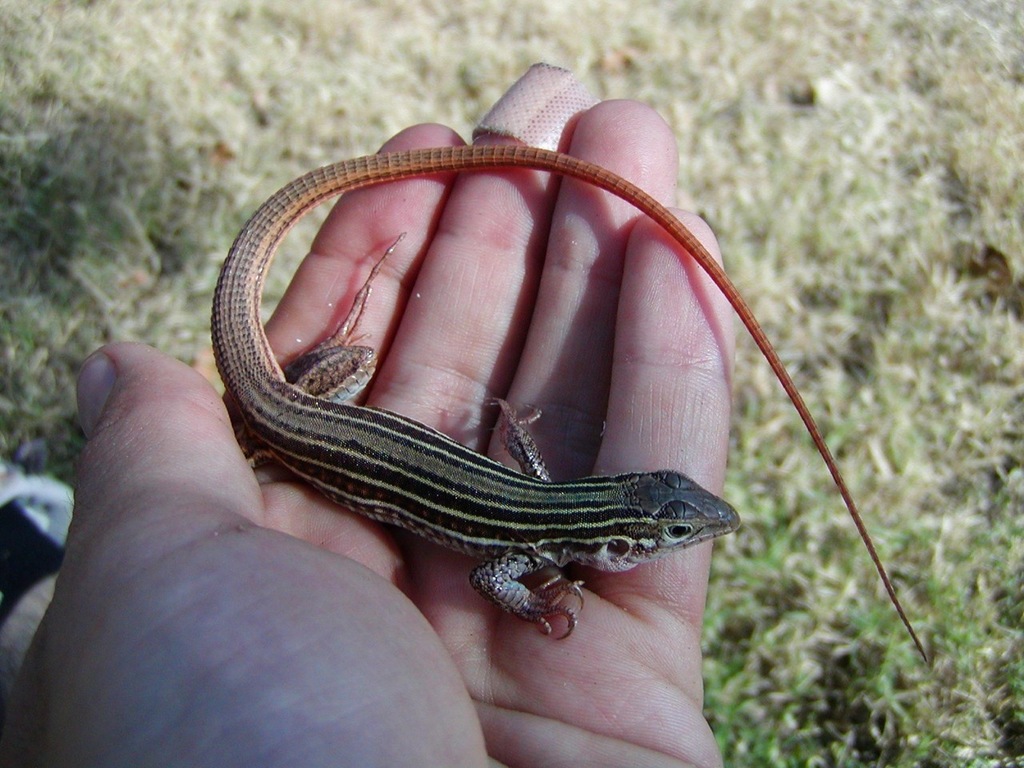
—observations
—countries
—peak records
Least ConcernConservation statusIUCN Red List categoriesLCNTVUENCREWEXLeast ConcernRed List categories, explained →
Diet & preyGrasshoppers, Beetles, Spiders
Predators
- Hawks
- Roadrunners
- Snakes
ThreatsHabitat fragmentation, urbanization, pesticide use reducing insect prey
HabitatsArid and semi-arid grasslands, rocky hillsides, open oak-juniper woodlands
Life span3–5 years
Classification
- FamilyTeiidae
- GenusAspidoscelis
- SpeciesAspidoscelis gularis
Range data is not available yet.
Interaction riskLow
- Low
- Moderate
- High
- Very high
- Why interaction risk is low
- Safe to observe at a normal distance.
Responsible observation
- Approach Slowly: Move cautiously around rocky patches or trail edges on warm mornings when they emerge to bask.
- Look for Jerky Movements: Watch for rapid pauses and tongue-flicks as they forage through dry leaf litter.
- Avoid Direct Shadows: Keep your shadow from falling over basking lizards to prevent them from bolting.
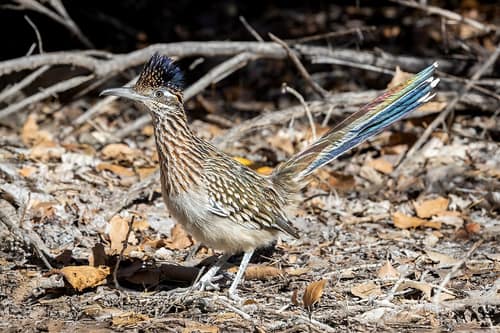
Predator Polinova / CC BY-SA 4.0 · cc-by-sa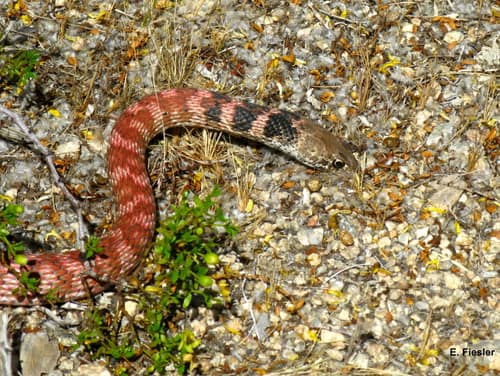
Predator (c) Joshua Tree National Park, some rights reserved (CC BY) · cc-by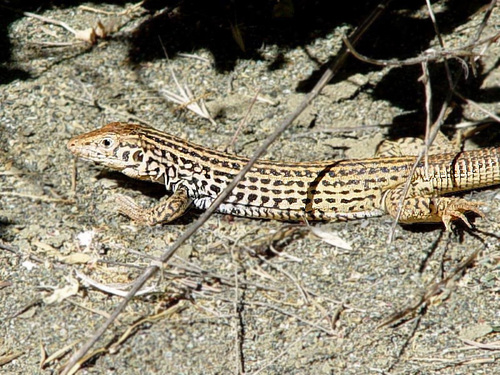
Close Relative (c) Franco Folini, some rights reserved (CC BY) · cc-by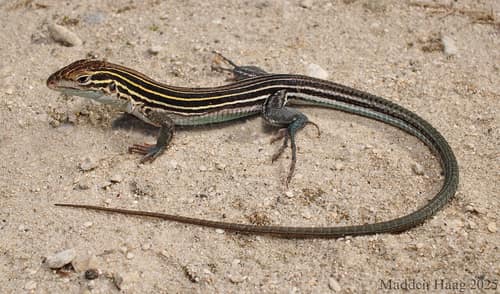
Close Relative MH Herpetology / CC BY-SA 4.0 · cc-by-sa
Help improve the field guideSomething wrong?
Checking your Fauna account…Report a name, category, or profile issue for review.