
Mammal
American Lion
Felis atroxAlso known as North American Lion, American Cave Lion, Giant American Lion
Roaming open steppes and grasslands of North America during the Late Pleistocene, American lions hunted some of the largest herbivores on the continent. Substantially larger than modern African lions, these powerful apex predators relied on immense strength, long limbs, and crushing bite force to tackle megafauna. Evidence from fossil deposits indicates they ranged from Alaska south into central Mexico before disappearing alongside many other giant mammals near the end of the last ice age.
Apex PredatorCarnivorePrehistoric
—observations
—countries
—peak records
ExtinctConservation statusIUCN Red List categoriesLCNTVUENCREWEXExtinctRed List categories, explained →
Diet & preyAncient bison, Pleistocene wild horse, Western camel
ThreatsExtinction driven by climate change, habitat shifts, human hunting, and megafauna prey collapse
HabitatsPleistocene mammoth steppes, open savannas, grasslands, and lightly wooded plains
Life span15–20 years
Classification
- FamilyFelidae
- SpeciesFelis atrox
Range data is not available yet.
Interaction riskLow
- Low
- Moderate
- High
- Very high
- Why interaction risk is low
- Extinct species known only from Late Pleistocene fossils; safe to observe in museum collections.
Responsible observation
- Museum Viewing: Examine mounted skeletons and skull casts at natural history museums to appreciate their massive jaw structure.
- Fossil Research: Look for curated exhibits at sites like the La Brea Tar Pits to see well-preserved limb bones and teeth.
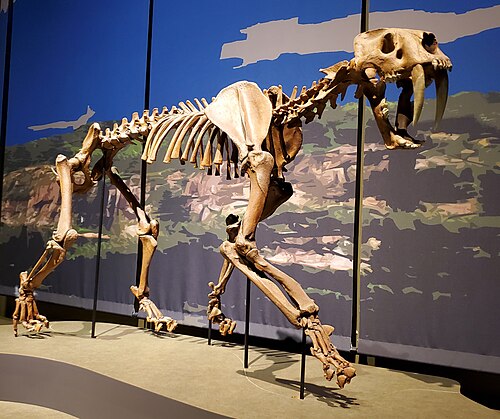
Competitor JJonahJackalope / CC BY-SA 4.0 · cc-by-sa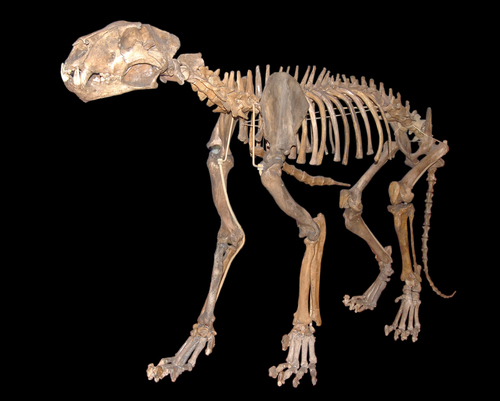
Ancestor Species (c) Tommy, some rights reserved (CC BY) · cc-by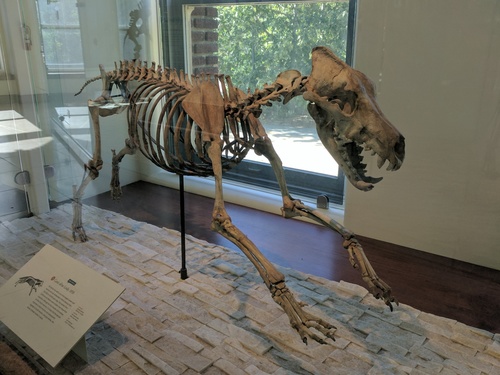
Competitor (c) Dawn Pedersen, some rights reserved (CC BY) · cc-by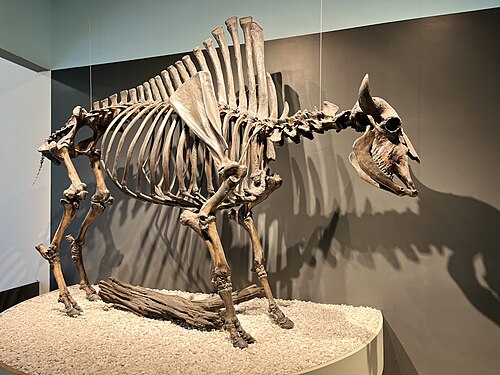
Prey Nikhil Iyengar / CC BY-SA 4.0 · cc-by-sa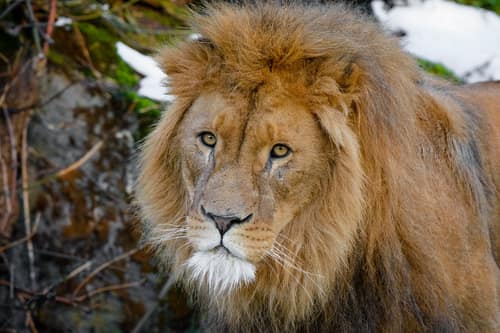
Close Relative "African Lion" by Mathias Appel is marked with CC0 1.0. To view the terms, visit https://creativecommons.org/publicdomain/zero/1.0/. · cc0
Help improve the field guideSomething wrong?
Checking your Fauna account…Report a name, category, or profile issue for review.