
Plant · GBIF taxon 8971274
Beet
Beta vulgarisAlso known as Beetroot, Swiss Chard, Sugar Beet, Mangelwurzel
Beets produce dense, nutrient-rich taproots and broad green or reddish leaves that grow in basal rosettes during their first year of growth. In their second year, unharvested plants bolt to produce tall flowering spikes bearing tiny wind-pollinated flowers. Selective breeding from wild coastal sea beet gave rise to diverse agricultural cultivars including beetroot, Swiss chard, and sugar beet.
CultivatedRoot VegetableBiennial
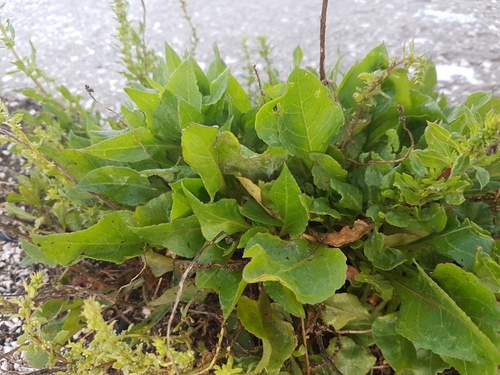
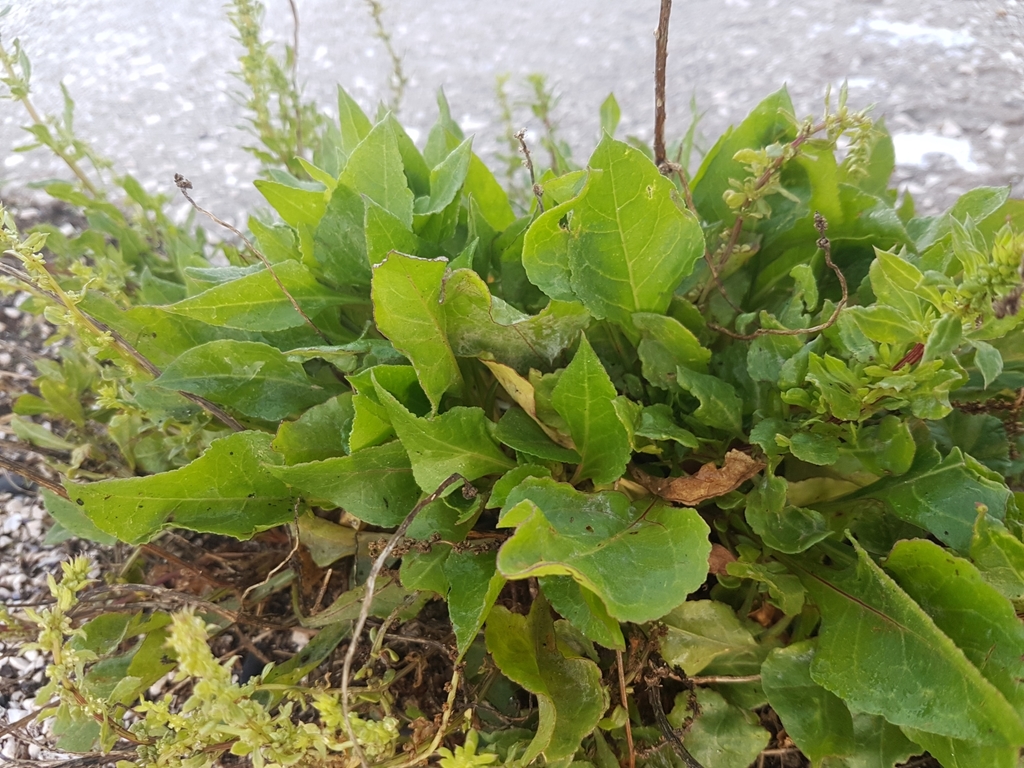 1 / 7
1 / 7—observations
—countries
—peak records
Not EvaluatedConservation statusIUCN Red List categoriesLCNTVUENCREWEXNot Evaluated — not placed on the risk ladderRed List categories, explained →
Diet & prey
- Soil Nitrates
- Phosphorus
- Potassium
Predators
- Flea Beetles
- Aphids
- Root-knot Nematodes
ThreatsFungal leaf spot, root rot, agricultural insect pests
HabitatsAgricultural fields, gardens, coastal shores
Life span1–2 years
Size / weightNot available
Classification
- OrderCaryophyllales
- FamilyAmaranthaceae
- GenusBeta
- SpeciesBeta vulgaris
Range data is not available yet.
Interaction riskLow
- Low
- Moderate
- High
- Very high
- Why interaction risk is low
- Safe to observe or cultivate at a normal distance.
Responsible observation
- Garden Planting: Sow seeds directly in loose soil during cool spring or autumn weather for optimal root growth.
- Flower Observation: Allow plants to overwinter to view their tall second-year flowering spikes in summer.
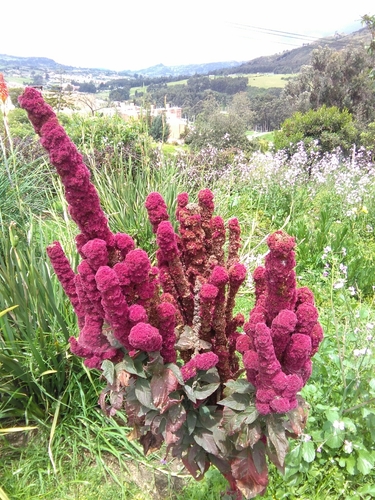
Distant Kin (c) GERMAN LEONEL SARMIENTO CRUZ, some rights reserved (CC BY), uploaded by GERMAN LEONEL SARMIENTO CRUZ · cc-by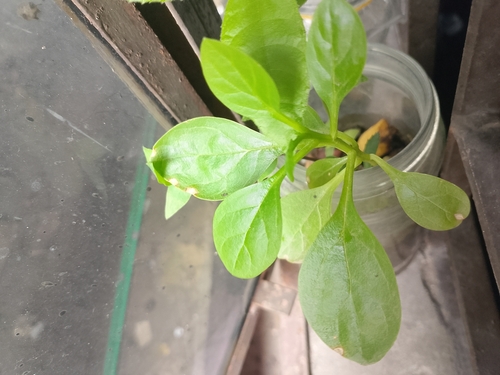
Close Relative no rights reserved · cc0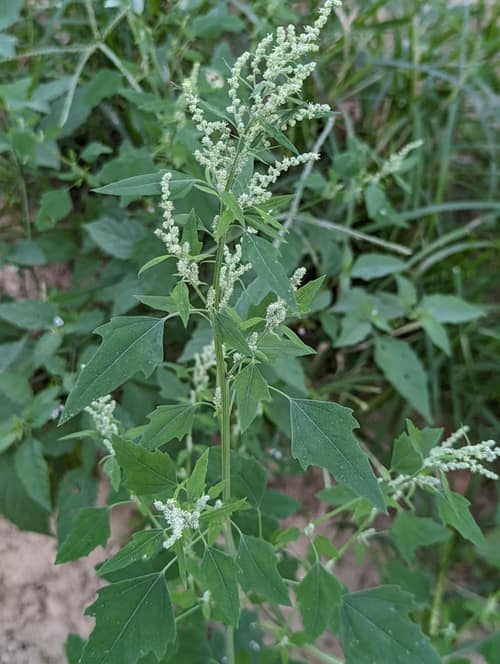
Wild Relative no rights reserved, uploaded by Kristi Zoebelein · cc0
Help improve the field guideSomething wrong?
Checking your Fauna account…Report a name, category, or profile issue for review.