Also known as Japanese Pit Viper, Japanese Moccasin, Salmusa, Japanese Mamushi
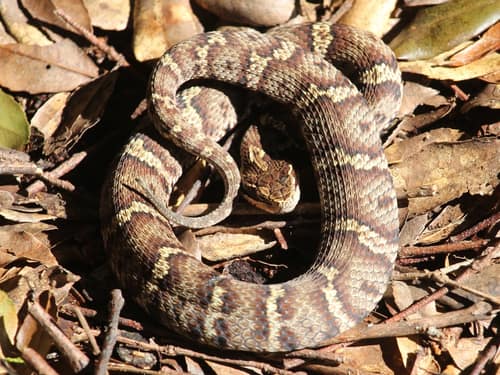
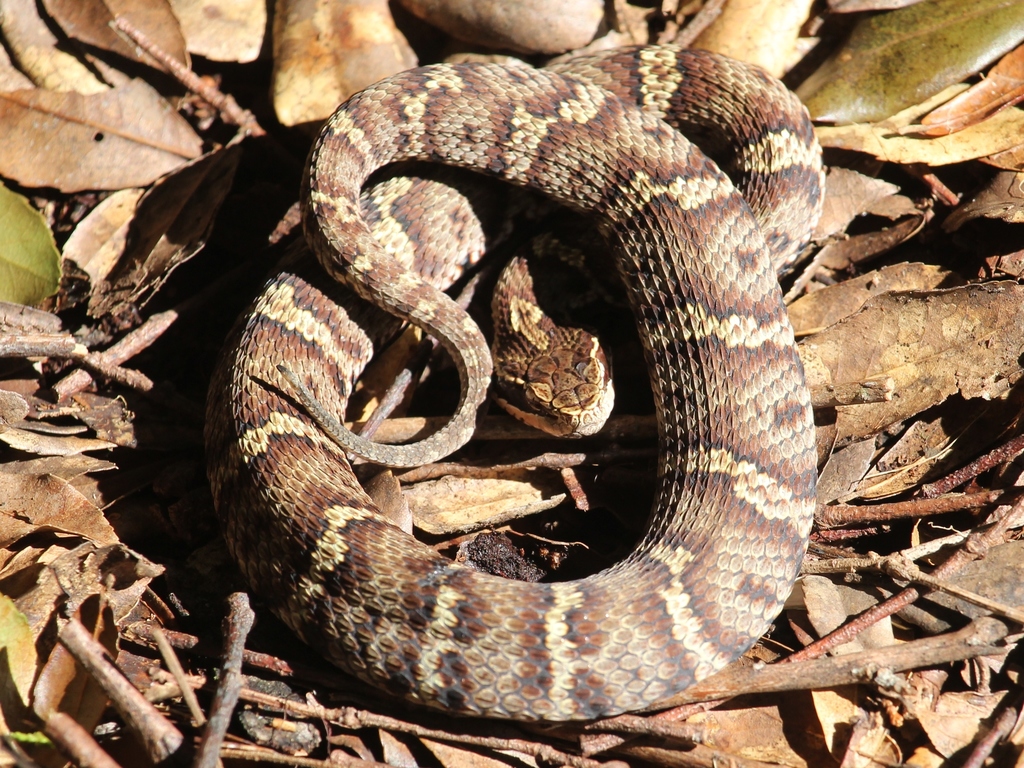
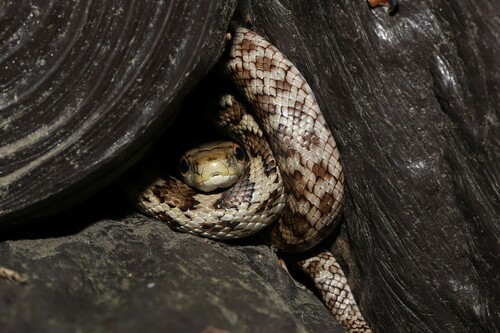
Mamushi are heavy-bodied pit vipers renowned for their camouflage, bearing pale brown to charcoal scales marked with pale-centered dark blotches. Equipped with heat-sensing facial pits, they ambush small mammals, frogs, and lizards along forest edges, streams, and flooded rice paddies. Females give live birth to small litters every few years, guarding their secretive nursery sites in rocky crevices or dense underbrush.
Possesses potent venom; keep a safe distance and never attempt to handle or corner.
Why it is dangerous
Injects a potent mixture of neurotoxins, hemotoxins, and myotoxins that cause severe swelling, intense pain, tissue destruction, and potential kidney damage.
How to recognize a risky encounter
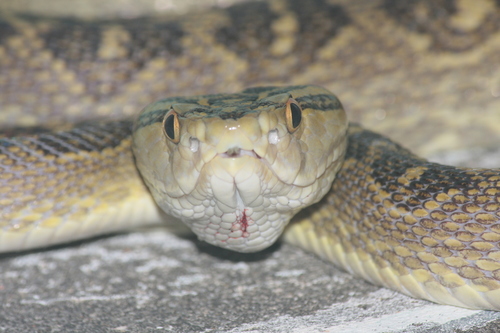
Look for a short, thick body with spade-shaped head, vertical pupils, heat pits, and dark blotches along a tan background.
What to do
Freeze and step back slowly if spotted; give the snake a clear path to retreat into cover.
Responsible observation
Safe Distance: Stay at least two meters away, as striking distance can be swift and surprisingly long.
Watch Your Step: Use a torch at night and wear tall leather boots when walking through high grass or near rice fields.
Avoid Handling: Do not attempt to touch, move, or harass the snake, as most bites occur during deliberate human interaction.