
Mammal · GBIF taxon 8959277
Southern Giraffe
Giraffa giraffaAlso known as Two-horned Giraffe
Southern giraffes roam the open savannas and woodlands of southern Africa, using prehensile, 45-centimeter tongues to strip nutrient-dense foliage from thorny acacia branches. Towering bulls engage in powerful neck-fighting contests known as necking to establish social dominance and secure breeding rights. Unlike critically declining northern populations, southern herds have expanded in recent decades across national parks and private game reserves.
HerbivoreDiurnalSavanna
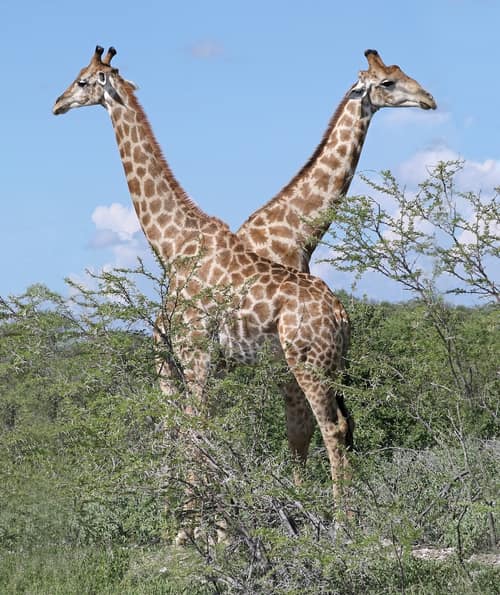
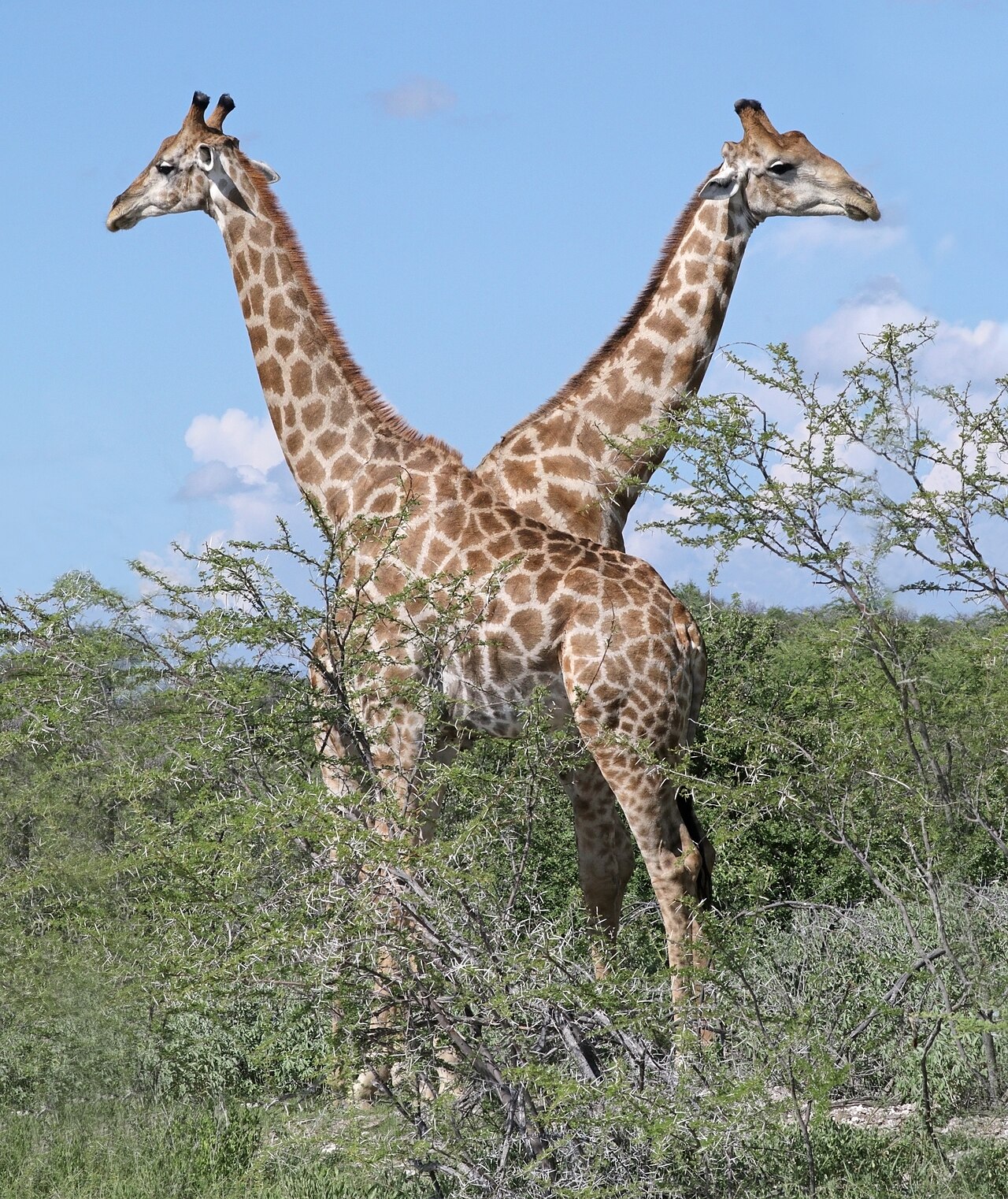
Licensed referenceCharles J. Sharp / CC BY-SA 4.0 · cc-by-sa
—observations
—countries
—peak records
Least ConcernConservation statusIUCN Red List categoriesLCNTVUENCREWEXLeast ConcernRed List categories, explained →
Diet & prey
- Acacia foliage
- Combretum leaves
- Seed pods
Predators
- Lion
- Spotted Hyena
- Leopard
ThreatsHabitat fragmentation, poaching, and human-wildlife conflict
HabitatsSavannas, scrublands, and open acacia woodlands
Life span20–25 years in the wild
Size / weightNot available
Classification
- OrderArtiodactyla
- FamilyGiraffidae
- GenusGiraffa
- SpeciesGiraffa giraffa
Native
Interaction riskHigh
- Low
- Moderate
- High
- Very high
- Why interaction risk is high
- Massive stature and bone-crushing defensive kicks require maintaining a viewing distance of at least 30 meters.
- Why it is dangerous
- Extreme mass and powerful forward or lateral kicks can inflict fatal blunt-force trauma or crush vehicles.
- How to recognize a risky encounter
- Watch for towering height, stiff upright posture, flattened ears, or deliberate hoof stomping.
- What to do
- Remain inside designated vehicles, never block escape routes, and give extra clearance to mothers with calves.
Responsible observation
- Safe Distance: Keep vehicles at least 30 meters away to avoid blocking natural herd movement corridors.
- Watering Vigilance: Watch waterholes during midday when herds cautiously splay their forelegs to drink.
- Engine Etiquette: Turn off safari vehicle engines to observe quiet social cues and low-frequency humming.
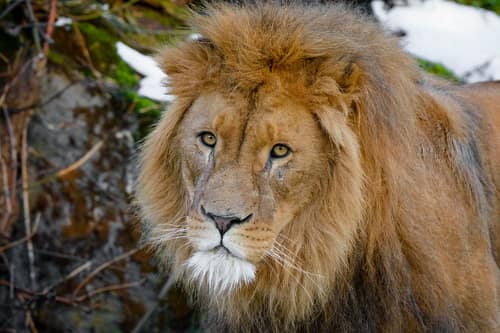
Predator "African Lion" by Mathias Appel is marked with CC0 1.0. To view the terms, visit https://creativecommons.org/publicdomain/zero/1.0/. · cc0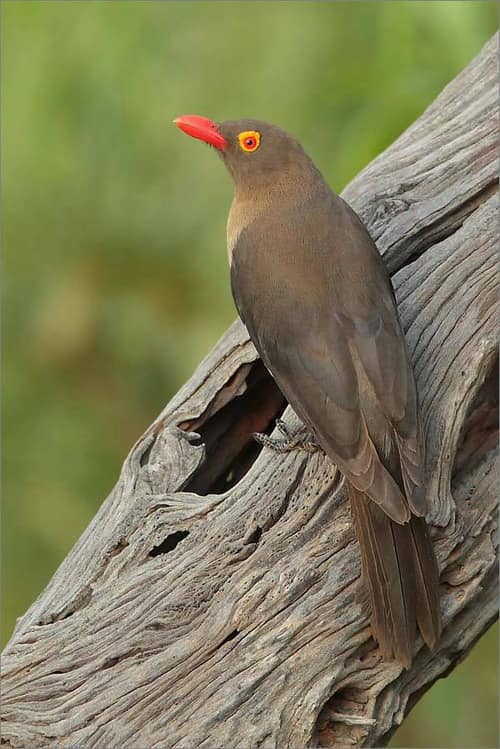
Symbiont Gerrie van Vuuren / CC BY-SA 4.0 · cc-by-sa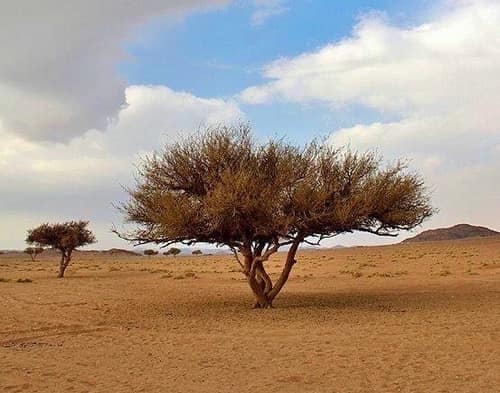
Food Source (c) Rabah Al-Shammary, some rights reserved (CC BY), uploaded by Rabah Al-Shammary · cc-by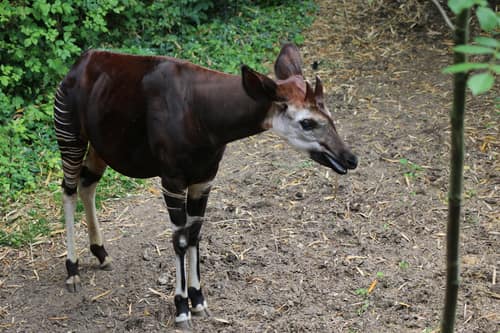
Close Relative (c) Melvin TOULLEC, some rights reserved (CC BY-SA) · cc-by-sa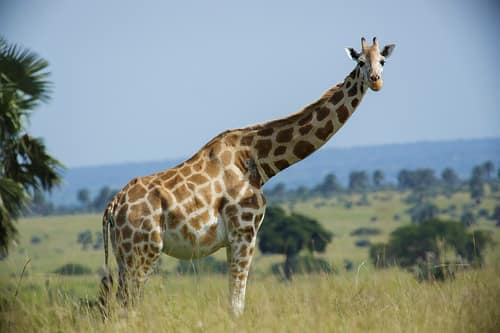
Close Relative Thomas Fuhrmann / CC BY-SA 4.0 · cc-by-sa
Keep collecting in Fauna
Found in Collections
Species set Pro
Safari Ranger
Southern Giraffe is found in this collection. Identify it in Fauna to fill this slot and continue your progress.
Unlock to track progress
Help improve the field guideSomething wrong?
Checking your Fauna account…Report a name, category, or profile issue for review.