
Plant
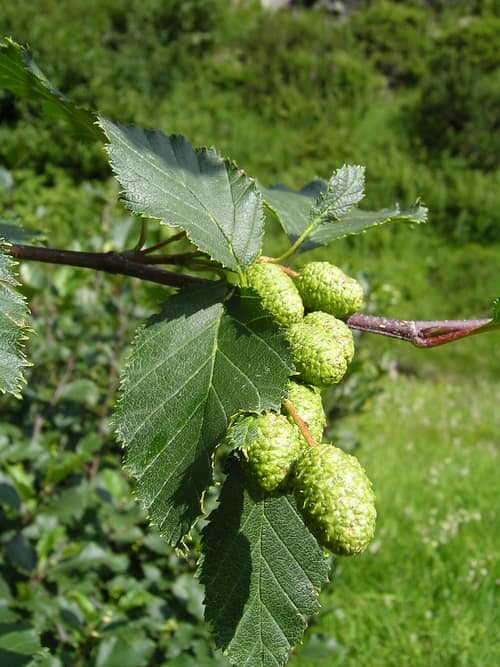
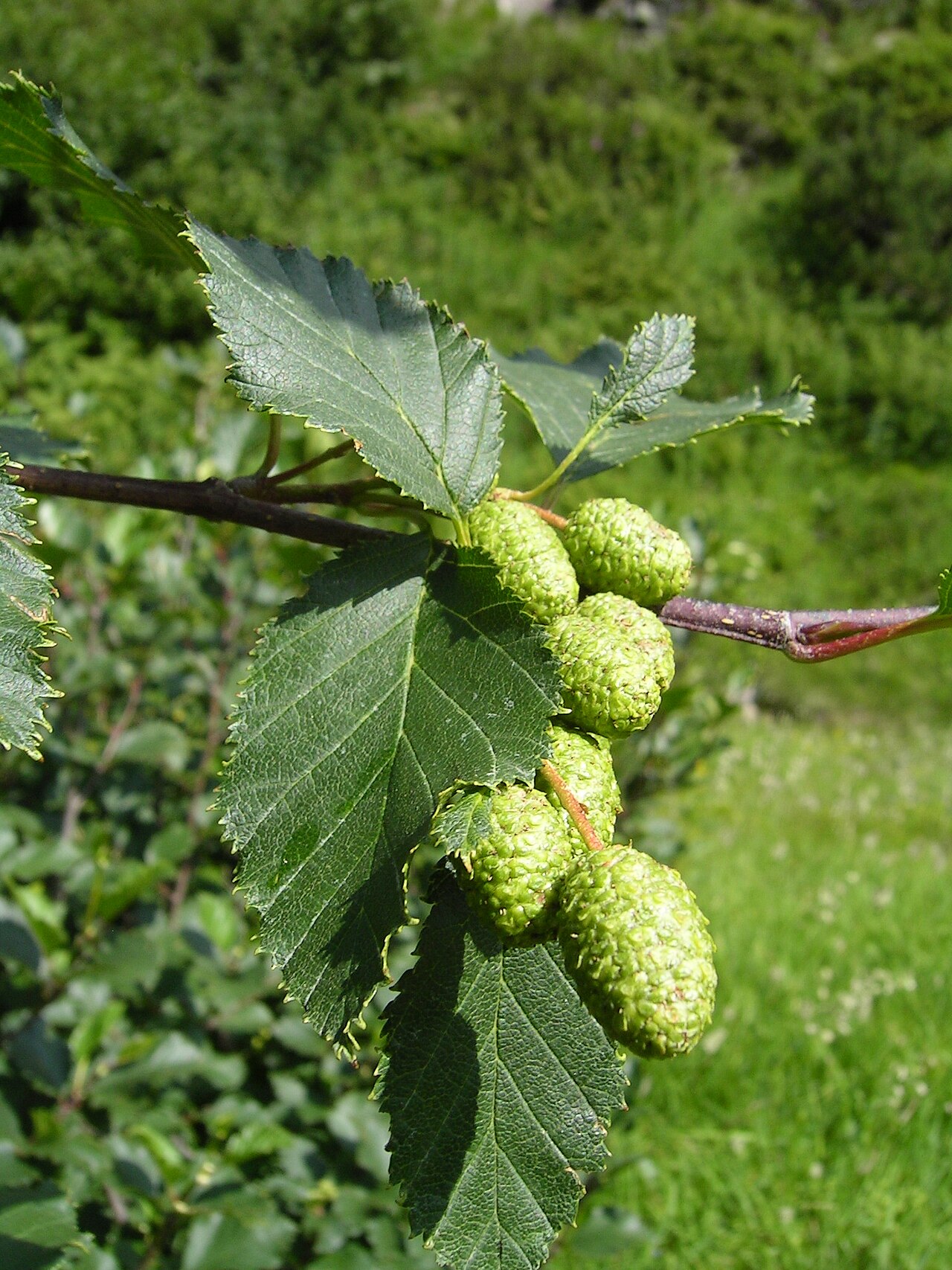
Green Alder
Alnus alnobetulaAlso known as Mountain Alder, Sitka Alder, European Green Alder
Green alder thrives in cool, moist environments across the Northern Hemisphere, often colonizing avalanche tracks, riverbanks, and exposed subalpine slopes. Through symbiotic Frankia bacteria living in root nodules, this pioneer shrub converts atmospheric nitrogen into rich soil nutrients, paving the way for forest succession. In winter, its resinous buds and persistent woody cones supply essential food for northern grouse and songbirds.
Nitrogen FixerMontanePioneer Species
—observations
—countries
—peak records
Least ConcernConservation statusIUCN Red List categoriesLCNTVUENCREWEXLeast ConcernRed List categories, explained →
Diet & preySunlight, Water, Soil Minerals
Predators
- Moose
- Snowshoe Hare
- Ruffed Grouse
ThreatsWarmer temperatures, severe drought, changes in wildfire frequency
HabitatsSubalpine slopes, avalanche chutes, stream banks, boreal scrub
Life span30–60 years
Classification
- OrderFagales
- FamilyBetulaceae
- GenusAlnus
- SpeciesAlnus alnobetula
Range data is not available yet.
Interaction riskLow
- Low
- Moderate
- High
- Very high
- Why interaction risk is low
- Safe to observe at a normal distance.
Responsible observation
- Cone Identification: Look for small, dark, woody cone-like catkins that persist on branches through winter.
- Habitat Spotting: Search steep mountain slopes, stream edges, and avalanche pathways where sunlight is abundant.
- Spring Flowers: Observe the drooping male catkins in early spring before leaves fully expand.
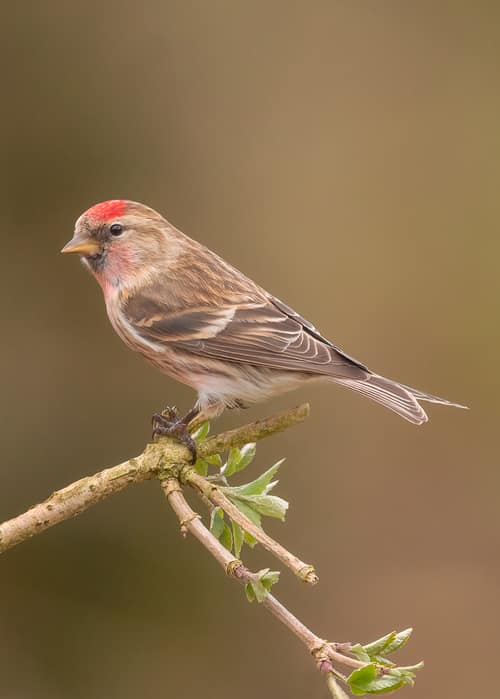
Seed Consumer (c) caroline legg, some rights reserved (CC BY) · cc-by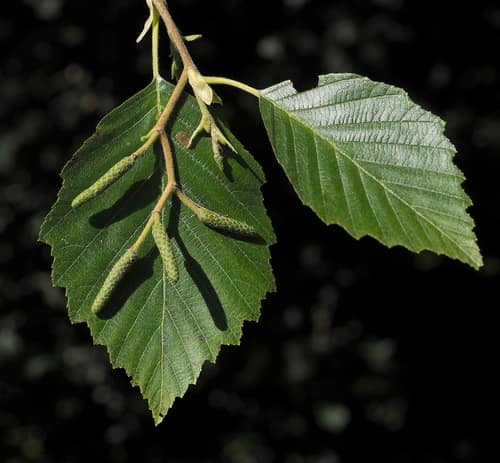
Close Relative (c) Hladac, some rights reserved (CC BY-SA) · cc-by-sa Image unavailable
Close Relative 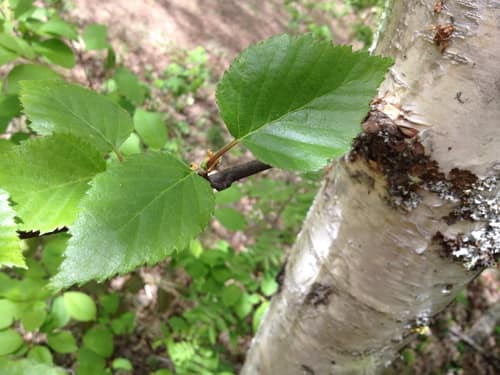
Family Member no rights reserved, uploaded by Dezene Huber · cc0
Help improve the field guideSomething wrong?
Checking your Fauna account…Report a name, category, or profile issue for review.