
Fungus
Dead Man's Fingers
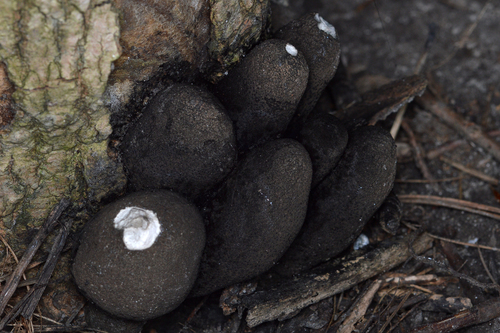
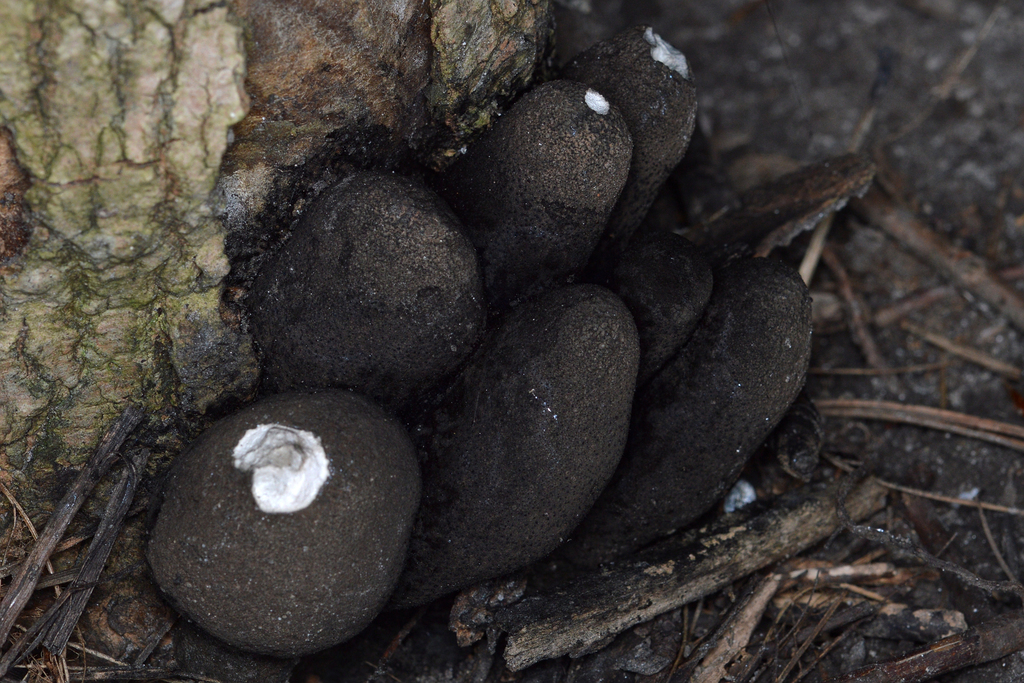
Xylaria polymorphaEmerging in eerie clusters from decaying tree stumps, these club-shaped fungi slowly consume glucan and lignin to cause soft rot in deciduous timber. Immature stromata appear pale grayish-blue tipped with white asexual conidiospores during spring, gradually hardening into blackened, warted clubs by late summer. The interior remains starkly white and fibrous, embedded with tiny spherical chambers that discharge sexual ascospores over several months.
SaprobicWoodlandDecomposer
—observations
—countries
—peak records
Not EvaluatedConservation statusIUCN Red List categoriesLCNTVUENCREWEXNot Evaluated — not placed on the risk ladderRed List categories, explained →
Diet & preyDead hardwood, Tree stumps, Cellulose and lignin
Predators
- Fungus beetles
- Slugs
ThreatsRemoval of coarse woody debris and intensive forest management
HabitatsDeciduous woodlands, rotting tree stumps, buried roots
Life spanStromata persist several months to a year; mycelium lives for years
Classification
- OrderXylariales
- FamilyXylariaceae
- GenusXylaria
- SpeciesXylaria polymorpha
Range data is not available yet.
Interaction riskLow
- Low
- Moderate
- High
- Very high
- Why interaction risk is low
- Many edible mushrooms have toxic look-alikes; never eat wild fungi based on app identification alone.
Responsible observation
- Cross-Section Inspection: Bisecting a mature specimen reveals a firm white core encircled by tiny black spore chambers.
- Search Strategy: Scan the mossy bases and exposed root collars of dead or dying oak and beech trees.
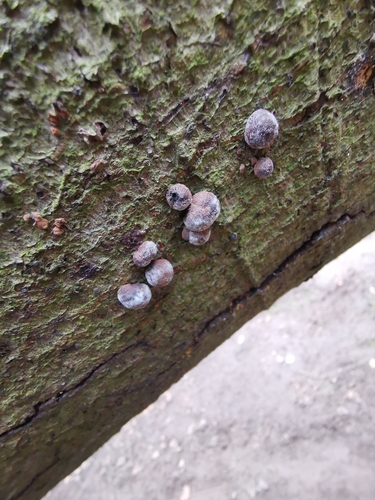
Same Order no rights reserved · cc0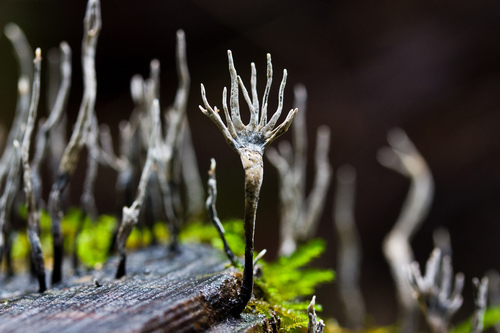
Close Relative (c) Ken-ichi Ueda, some rights reserved (CC BY) · cc-by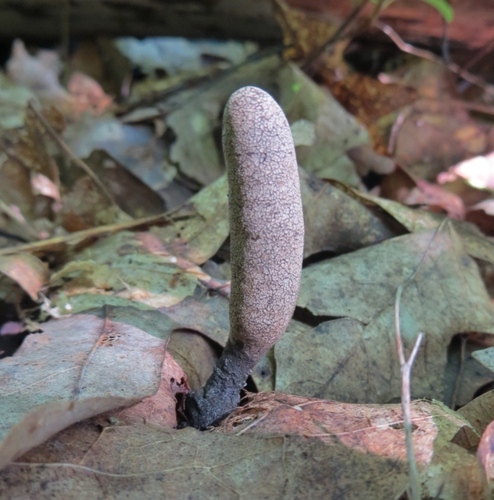
Close Relative (c) Summit Metro Parks, some rights reserved (CC BY) · cc-by Image unavailable
Same Family
Help improve the field guideSomething wrong?
Checking your Fauna account…Report a name, category, or profile issue for review.