
Flower
Lesser Calamint
Clinopodium nepetaAlso known as Mentuccia Romana, Niepita, Lesser Catmint
Lesser calamint forms low, bushy mounds of aromatic grey-green leaves that produce tiny, pale purple to white flowers throughout summer and autumn. The fragrant foliage releases a pleasant blend of mint and oregano scents whenever brushed against or crushed. Cloud-like clusters of blossoms serve as a vital nectar source for bumblebees, honeybees, and small butterflies.
AromaticFloweringPerennial
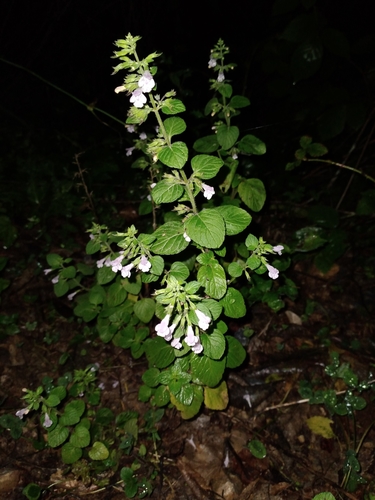
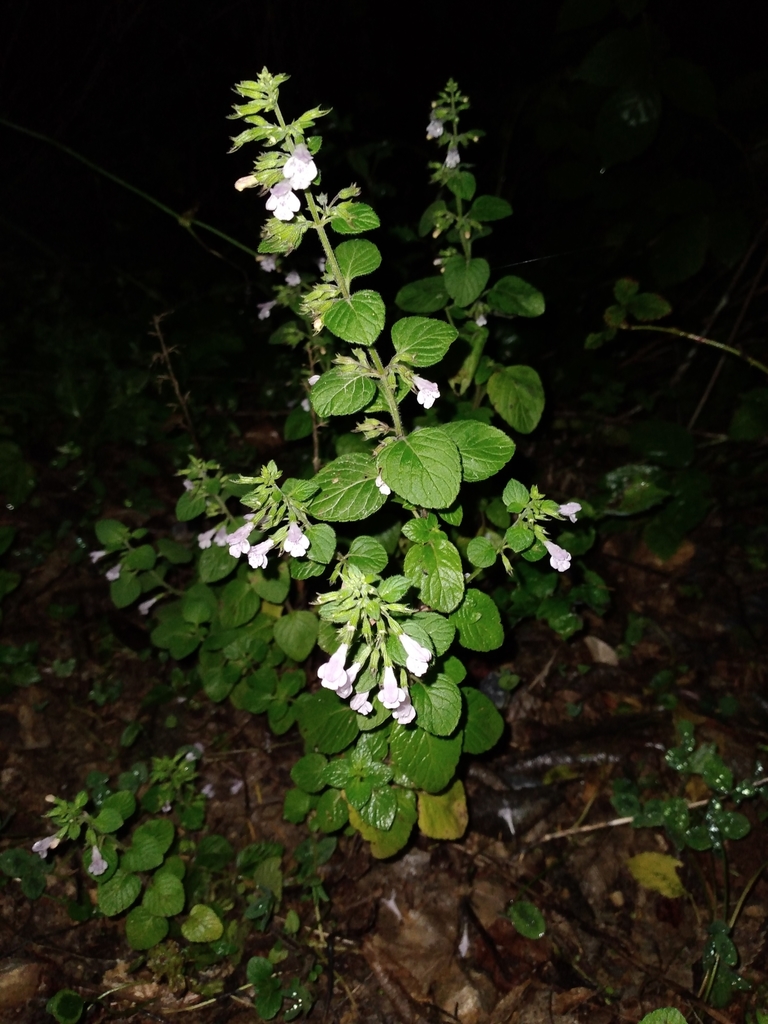
—observations
—countries
—peak records
Least ConcernConservation statusIUCN Red List categoriesLCNTVUENCREWEXLeast ConcernRed List categories, explained →
Diet & preyAutotrophic (Photosynthesis)
Predators
- Slugs
- Snails
- Deer
ThreatsHabitat loss, agricultural intensification
HabitatsDry grasslands, rocky limestone slopes, road verges, abandoned fields
Life spanPerennial (5–10 years)
Classification
- OrderLamiales
- FamilyLamiaceae
- GenusClinopodium
- SpeciesClinopodium nepeta
Range data is not available yet.
Interaction riskLow
- Low
- Moderate
- High
- Very high
- Why interaction risk is low
- Safe to observe at a normal distance.
Responsible observation
- Leaf Aroma: Gently crush a leaf between your fingers to release the distinct minty fragrance.
- Pollinator Spotting: Watch flower heads during sunny mid-day hours to observe native bees feeding.
- Garden Care: Provide well-drained soil and full sunlight to encourage robust flowering.
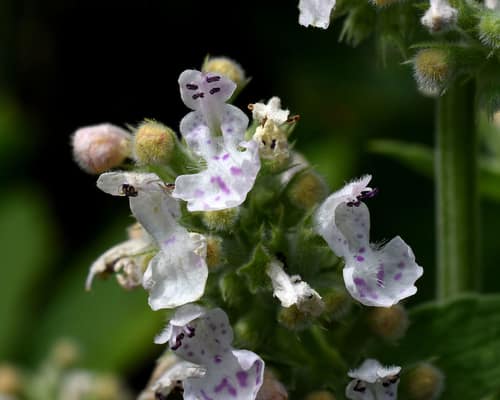
Chemical Kin (c) davecz2, some rights reserved (CC BY-SA), uploaded by davecz2 · cc-by-sa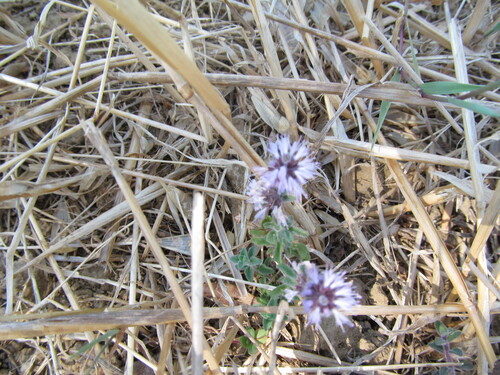
Aromatic Look-Alike (c) zebedeugalinha, some rights reserved (CC BY) · cc-by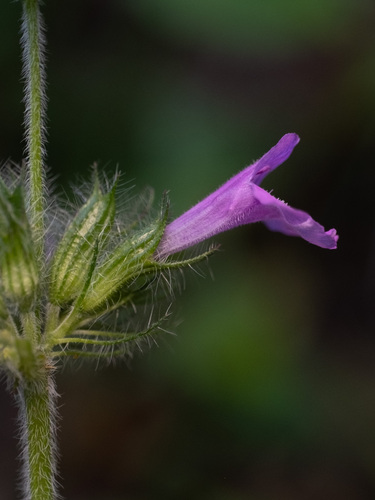
Close Relative (c) Alex Abair, some rights reserved (CC BY), uploaded by Alex Abair · cc-by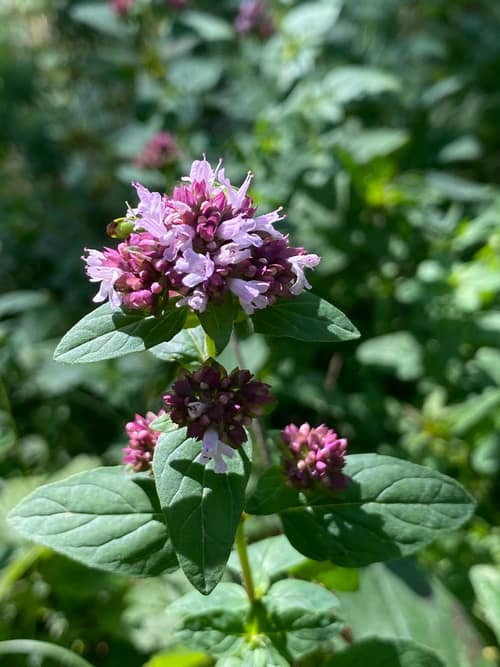
Culinary Relative (c) Thomas Dreux, some rights reserved (CC BY), uploaded by Thomas Dreux · cc-by
Help improve the field guideSomething wrong?
Checking your Fauna account…Report a name, category, or profile issue for review.