
Reptile · GBIF taxon 8909809
European Pond Turtle
Emys orbicularisAlso known as European Pond Terrapin
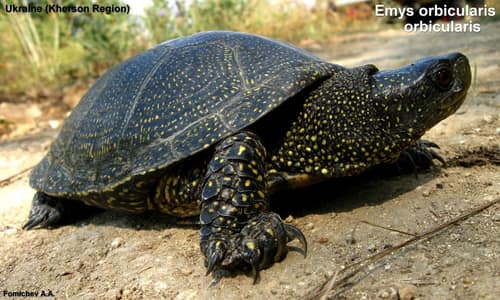
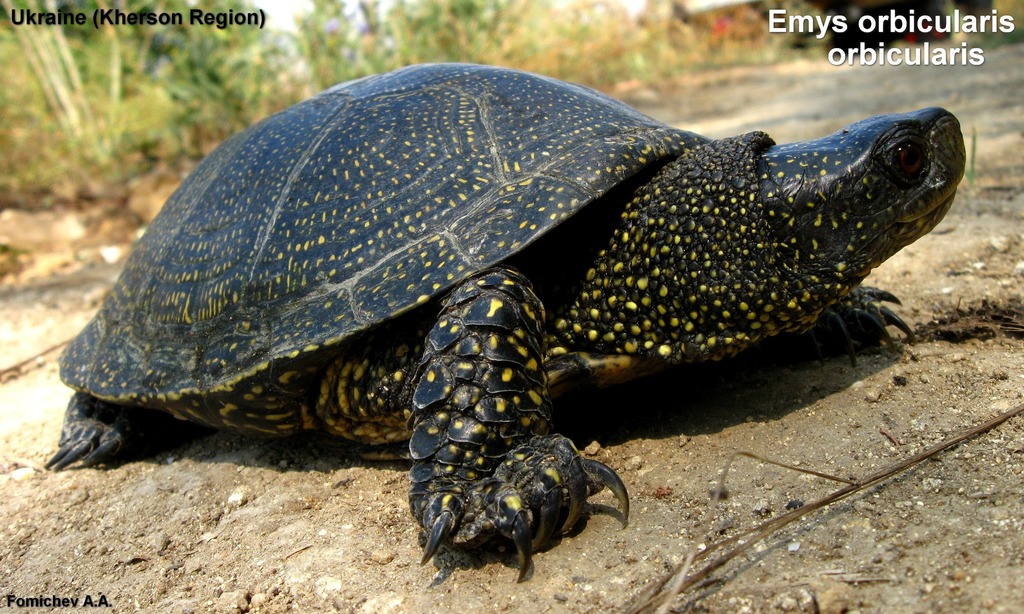
European Pond Turtles have dark shells and skin finely flecked with yellow spots or streaks. They bask beside quiet freshwater but dive quickly when footsteps, shadows, or vibration signal danger.
Freshwater TurtleYellow SpecklesShy Basker
—observations
—countries
—peak records
Near ThreatenedConservation statusIUCN Red List categoriesLCNTVUENCREWEXNear ThreatenedRed List categories, explained →
Diet & prey
- Aquatic insect larvae
- Snails
- Tadpoles
Predators
- Foxes
- Wild boar
- Large birds
ThreatsWetland drainage, road mortality, illegal collection, shoreline disturbance, and introduced turtles
HabitatsPonds, marshes, slow rivers, backwaters, and other sun-warmed wetlands
Life spanOften several decades, with some individuals living more than 60 years
Size / weightNot available
Classification
- FamilyEmydidae
- GenusEmys
- SpeciesEmys orbicularis
Range data is not available yet.
Interaction riskModerate
- Low
- Moderate
- High
- Very high
- Why interaction risk is moderate
- Wild turtles can bite and carry Salmonella; never handle them and wash after accidental contact.
- Why it is dangerous
- A defensive bite can break skin, and turtles may shed Salmonella bacteria that cause serious gastrointestinal illness.
- How to recognize a risky encounter
- Look for a smooth dark shell and fine yellow speckles across the head, neck, limbs, and carapace.
- What to do
- Do not pick up or corner the turtle; give it a clear retreat and wash thoroughly after accidental contact.
Responsible observation
- Basking: Scan distant logs with binoculars before approaching the shore.
- Ethics: Never collect, relocate, or release pet turtles into a wetland.
Help improve the field guideSomething wrong?
Checking your Fauna account…Report a name, category, or profile issue for review.