
Reptile · GBIF taxon 8889878
Beauty Ratsnake
Elaphe taeniuraAlso known as Beauty Snake, Cave Racer
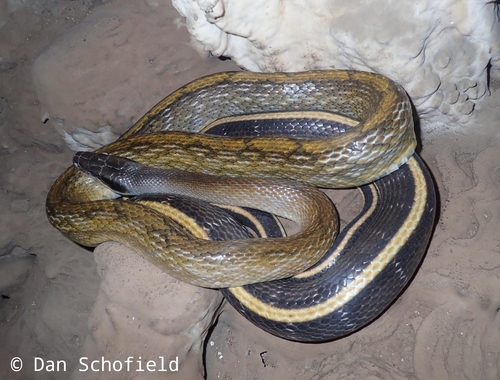
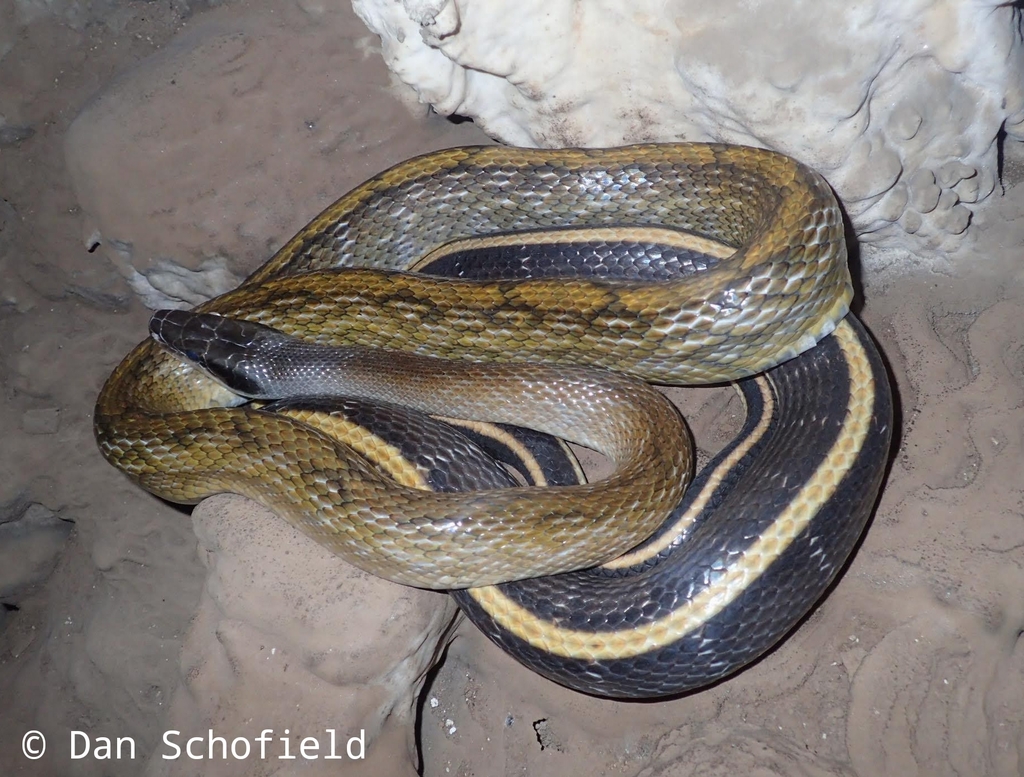
Beauty ratsnakes are slender, agile constrictors recognized for their bold geometric patterns and remarkable climbing prowess across Asian forests and limestone karst cliffs. Subterranean populations navigate pitch-black caves with astonishing precision, using tactile cues to ambush roosting bats directly from high rock walls. When cornered, an individual flattens its neck horizontally into a threatening posture and vibrates its tail tip rapidly against dry leaves to ward off predators.
ReptileConstrictorArboreal
 1 / 7
1 / 7—observations
—countries
—peak records
Least ConcernConservation statusIUCN Red List categoriesLCNTVUENCREWEXLeast ConcernRed List categories, explained →
Diet & prey
- Small Rodents
- Bats
- Passerine Birds
Predators
- Birds of Prey
- King Cobra
- Carnivorous Mammals
ThreatsHabitat destruction, exploitation for the pet and skin trades, and persecution around human settlements
HabitatsSubtropical and tropical moist forests, limestone karst caves, rocky outcrops, and agricultural edges
Life span15–25 years
Size / weightNot available
Classification
- FamilyColubridae
- SpeciesElaphe taeniura
Range data is not available yet.
Interaction riskLow
- Low
- Moderate
- High
- Very high
- Why interaction risk is low
- Non-venomous, but capable of delivering a sharp defensive bite if cornered; observe from a respectful distance.
- Why it is dangerous
- Possesses sharp, recurved teeth that can tear skin and cause painful lacerations susceptible to secondary bacterial infection.
- How to recognize a risky encounter
- Look for an olive to yellowish body with bold dorsal blotches that transition into distinct dark longitudinal stripes near the tail.
- What to do
- Allow the snake an open retreat route and never corner, grab, or attempt to lift wild individuals.
Responsible observation
- Keep Distance: Maintain several paces of space to avoid triggering a defensive strike or tail-rattling display.
- Scan Elevated Branches: Look along low-hanging boughs and cave entrances where these snakes commonly hunt or bask.
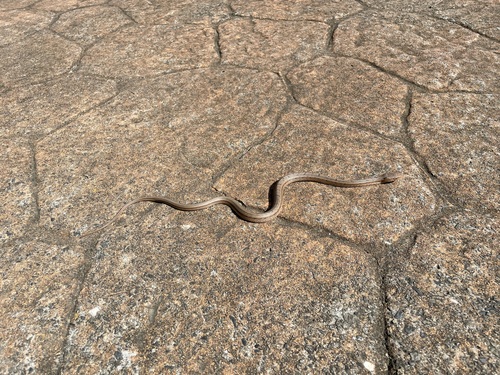
Same Genus (c) 高山田鼠, some rights reserved (CC BY) · cc-by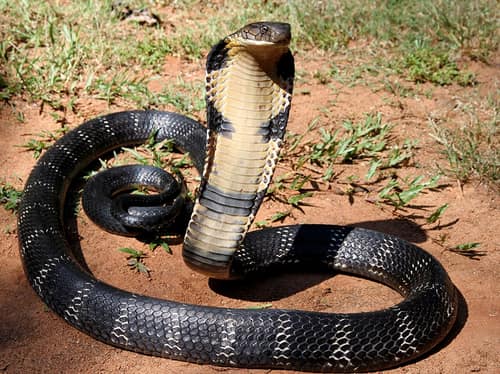
Predator Michael Allen Smith from Seattle, USA / CC BY-SA 2.0 · cc-by-sa Image unavailable
Prey
Help improve the field guideSomething wrong?
Checking your Fauna account…Report a name, category, or profile issue for review.