
Fungus · GBIF taxon 8879395
Oak Mazegill
Daedalea quercinaAlso known as Thick-walled Maze Polypore, Maze-gill Fungus, Oak-loving Maze Polypore
Oak mazegills form extremely tough, corky bracket fruiting bodies on oak wood and old stumps. Their undersides feature a distinctive maze-like network of slot-like pores rather than typical gills or round pores. These perennial brackets can endure for years, slowly decomposing heartwood into a crumbling brown rot.
PolyporeWood-decayBracket Fungus
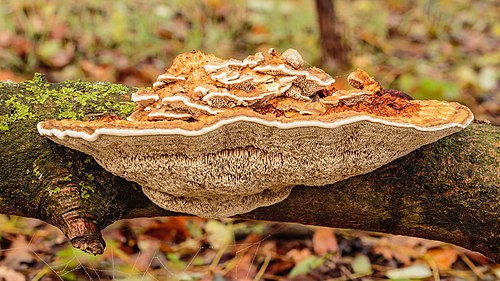
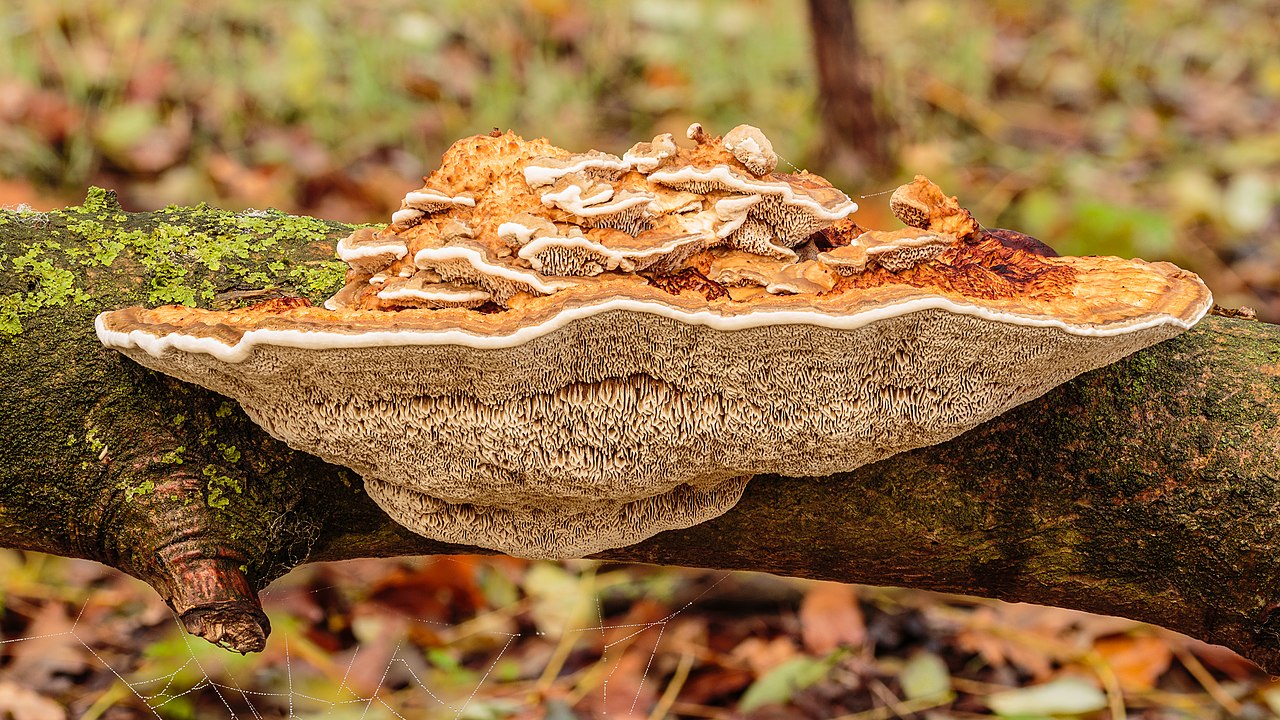
Licensed referenceDominicus Johannes Bergsma / CC BY-SA 4.0 · cc-by-sa
—observations
—countries
—peak records
Not EvaluatedConservation statusIUCN Red List categoriesLCNTVUENCREWEXNot Evaluated — not placed on the risk ladderRed List categories, explained →
Diet & prey
- Oak Wood Cellulose
- Lignin
Predators
- Fungus-eating Beetles
- Fungus Gnats
ThreatsDeforestation, removal of deadwood habitat
HabitatsDeciduous woodlands, parklands, oak forests
Life spanPerennial (brackets survive for several years)
Size / weightNot available
Classification
- FamilyFomitopsidaceae
- SpeciesDaedalea quercina
Range data is not available yet.
Interaction riskLow
- Low
- Moderate
- High
- Very high
- Why interaction risk is low
- Many wild mushrooms have toxic look-alikes; never eat wild fungi based on app identification alone.
Responsible observation
- Observation: Examine the maze-like labyrinth underneath the bracket for distinct pore geometry.
- Identification: Look for thick, corky brackets growing specifically on oak stumps or logs.
- Historical Fact: Note its historic use as a natural comb for grooming horses and livestock.
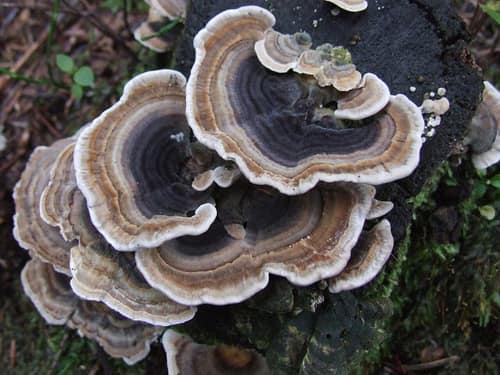
Ecological Neighbor Jerzy Opioła / CC BY-SA 3.0 · cc-by-sa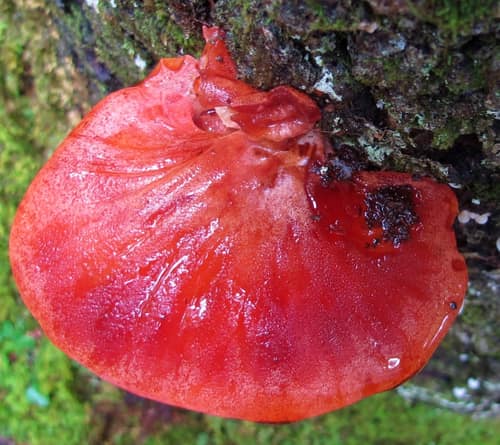
Ecological Partner (c) mycowalt, some rights reserved (CC BY-SA), uploaded by mycowalt · cc-by-sa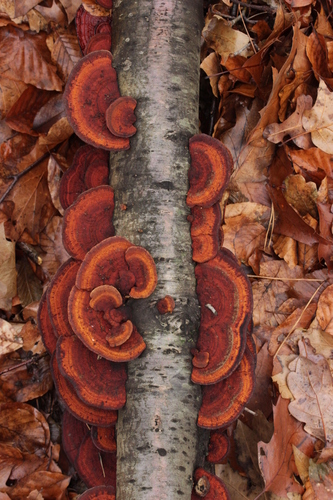
Close Relative (c) Björn Sothmann, some rights reserved (CC BY-SA), uploaded by Björn Sothmann · cc-by-sa
Help improve the field guideSomething wrong?
Checking your Fauna account…Report a name, category, or profile issue for review.