
Fungus
Upright Coral Fungus
Ramaria strictaAlso known as Strict-Branch Coral, Strict Coral Mushroom
Upright coral fungi form dense, candelabra-like clusters of stiff, vertical branches that erupt from decaying logs and buried woody debris. Their branches gradually darken from pale yellowish tips to vinaceous-brown bases, reacting with a distinctive dull reddish bruise wherever handled or weathered. By breaking down tough lignin and cellulose, the underlying mycelial networks play an essential role in forest nutrient cycling.
Coral FungusWoodlandDecomposer
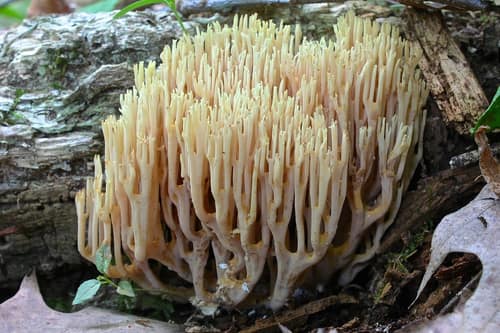
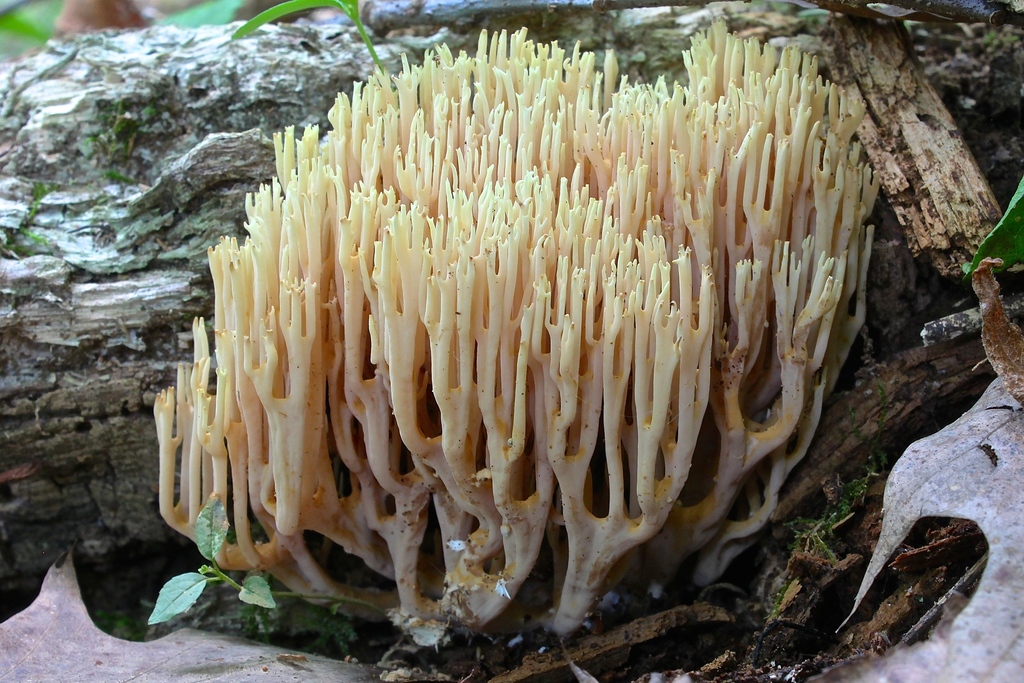
—observations
—countries
—peak records
Not EvaluatedConservation statusIUCN Red List categoriesLCNTVUENCREWEXNot Evaluated — not placed on the risk ladderRed List categories, explained →
Diet & preyDecaying hardwood, Decaying conifer wood, Lignin and cellulose
Predators
- Slugs
- Fungus gnat larvae
- Woodland rodents
ThreatsIntensive clear-cutting and removal of coarse woody debris
HabitatsDeciduous and coniferous woodlands
Life spanFruit bodies persist 1–3 weeks; mycelium lives indefinitely
Classification
- OrderGomphales
- FamilyGomphaceae
- GenusRamaria
- SpeciesRamaria stricta
Range data is not available yet.
Interaction riskHigh
- Low
- Moderate
- High
- Very high
- Why interaction risk is high
- Toxic if ingested, and wild fungi have dangerous look-alikes; never consume based on app identification alone.
- Why it is dangerous
- Ingestion triggers gastrointestinal distress including nausea, cramping, and diarrhea caused by toxic fungal irritants.
- How to recognize a risky encounter
- Look for compact, parallel branches growing directly on deadwood that bruise reddish-brown when bruised.
- What to do
- Examine and photograph specimens in habitat without harvesting or sampling wild coral mushrooms.
Responsible observation
- Substrate Clues: Check whether the cluster grows from a rotting log rather than soil to help confirm identity.
- Bruise Reaction: Inspect older branches or damaged tips for the characteristic dull vinaceous-brown bruising.
- Gentle Inspection: Use a hand lens to examine the tightly parallel branches without breaking the brittle structure.
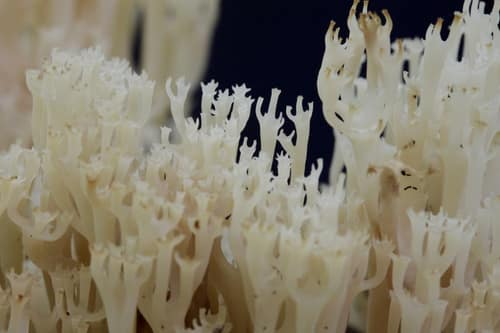
Lookalike (c) Fluff Berger, some rights reserved (CC BY-SA), uploaded by Fluff Berger · cc-by-sa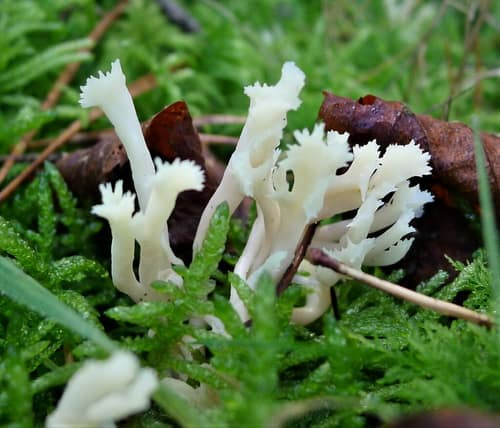
Ecological Counterpart (c) gailhampshire, some rights reserved (CC BY) · cc-by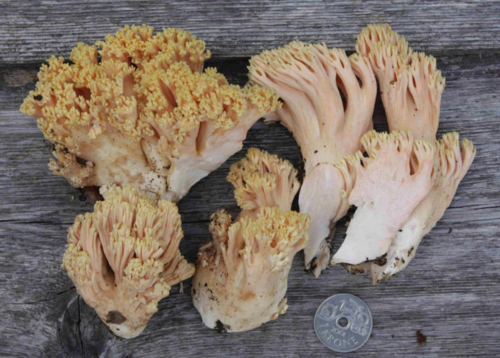
Close Relative Kristin Brandrud / CC BY 4.0 · cc-by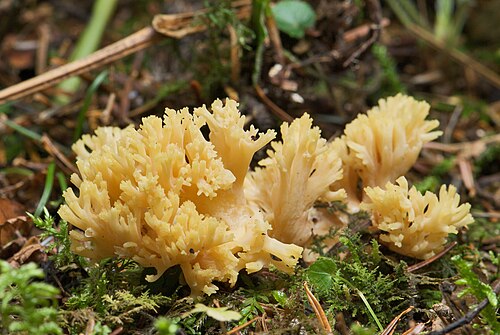
Close Relative Bernie / Public domain · cc0
Help improve the field guideSomething wrong?
Checking your Fauna account…Report a name, category, or profile issue for review.