
Fungus
Apricot Jelly
Guepinia helvelloidesAlso known as Salmon Salad, Apricot Jelly Mushroom, Candied Jelly Fungus
Apricot jelly produces vibrant, spoon-shaped or ear-like gelatinous fruit bodies that emerge from needle litter or mossy ground over buried rotting wood. Its rubbery, translucent flesh displays subtle hues ranging from pale salmon to deep reddish-apricot, often appearing in small clusters along shaded mountain trails. Functioning as a specialized wood-decay saprotroph, the mycelium plays an important ecological role in recycling nutrients across temperate conifer ecosystems.
Jelly FungusForest FloorWood-Decayer
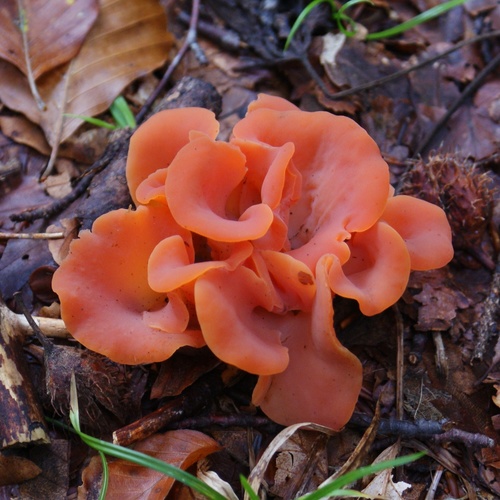
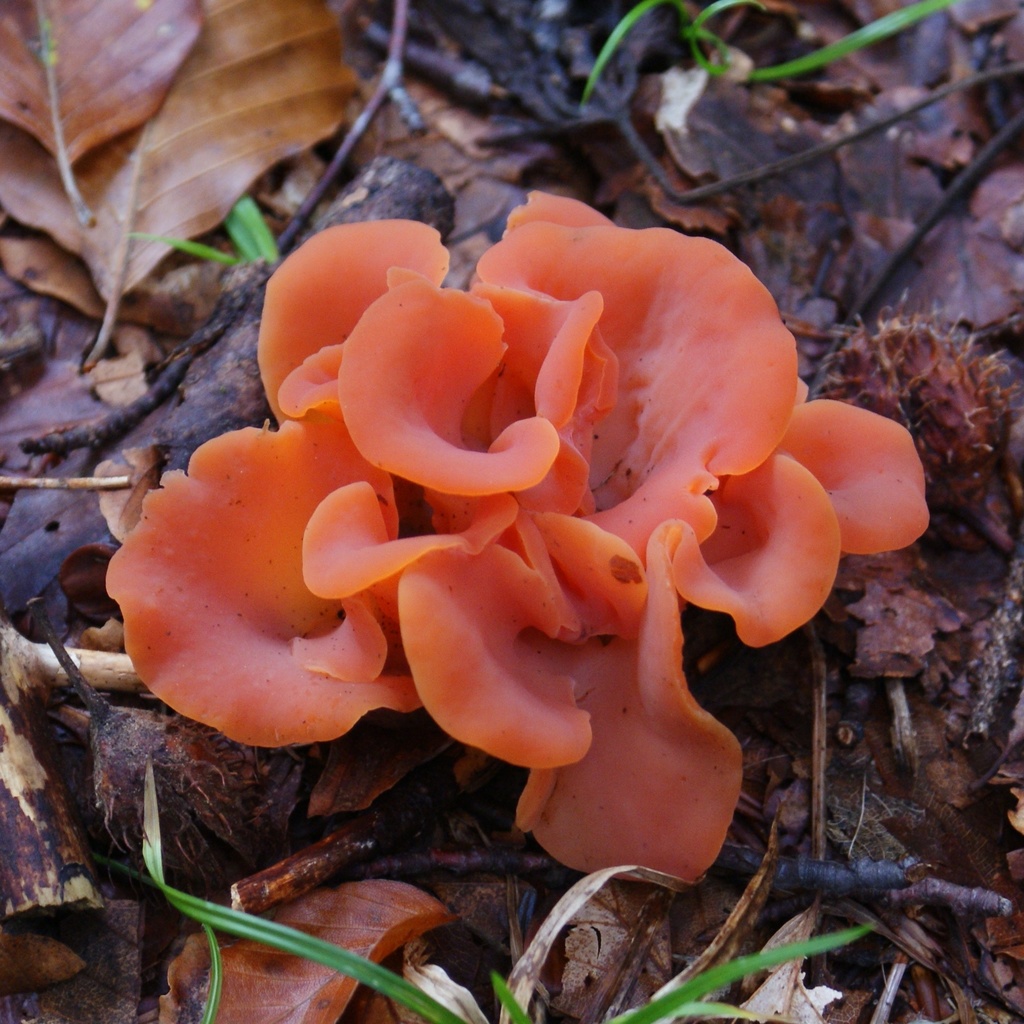
—observations
—countries
—peak records
Least ConcernConservation statusIUCN Red List categoriesLCNTVUENCREWEXLeast ConcernRed List categories, explained →
Diet & preyRotting conifer wood, Cellulose, Lignin
Predators
- Forest slugs
- Fungus gnats
- Small rodents
ThreatsClear-cutting, soil compaction, loss of mature conifer stands
HabitatsMontane coniferous and mixed forests, mossy limestone soils
Life spanFruit bodies persist 1–3 weeks; mycelium lives多年 (perennial)
Classification
- OrderAuriculariales
- FamilyGuepiniaceae
- GenusGuepinia
- SpeciesGuepinia helvelloides
Range data is not available yet.
Interaction riskLow
- Low
- Moderate
- High
- Very high
- Why interaction risk is low
- Many edible mushrooms have toxic look-alikes; never eat wild fungi based on app identification alone.
Responsible observation
- Search Substrate: Check mossy limestone terrain and paths under fir or spruce where wood lies buried.
- Observe Weather: Look during rainy spells in late summer and autumn when gelatinous bodies swell with moisture.
- Gentle Inspection: Admire the soft, rubbery structure in place without uprooting the delicate base.
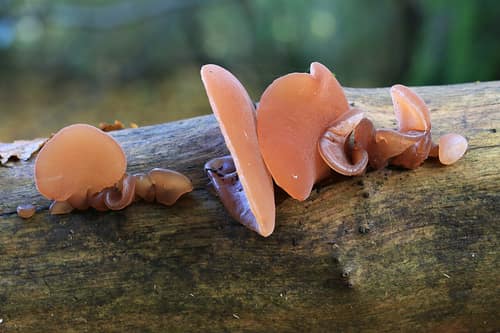
Order Member Stu's Images / CC BY-SA 4.0 · cc-by-sa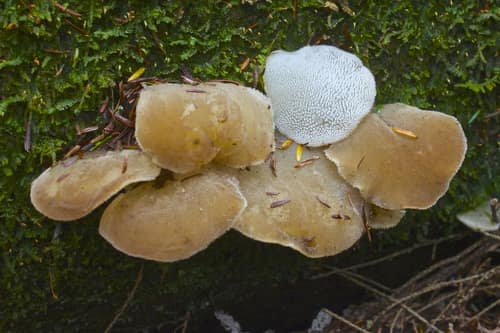
Ecological Neighbor (c) Fluff Berger, some rights reserved (CC BY-SA), uploaded by Fluff Berger · cc-by-sa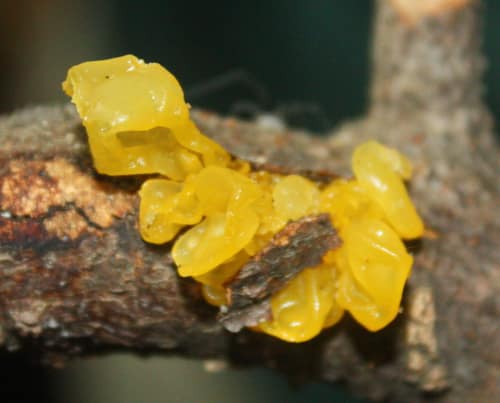
Morphological Look-Alike no rights reserved · cc0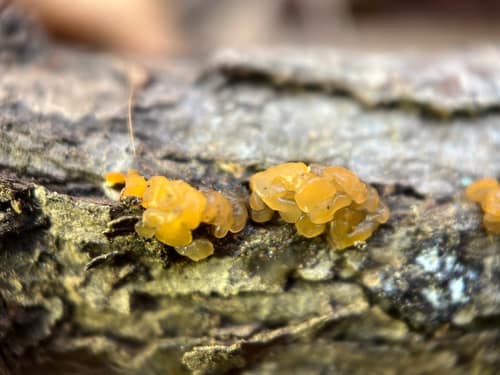
Morphological Look-Alike (c) Serenella Linares, some rights reserved (CC BY) · cc-by
Help improve the field guideSomething wrong?
Checking your Fauna account…Report a name, category, or profile issue for review.