
Amphibian
Tropical Clawed Frog
Xenopus tropicalisAlso known as Western Clawed Frog
Tropical clawed frogs are fully aquatic amphibians native to the humid lowlands and rainforests of West Africa. Unlike most frogs, they lack tongues and visible external ears, using sensitive lateral lines and sharp, keratinized hind claws to stir muddy sediments and shovel prey directly into their mouths. Their streamlined bodies, webbed feet, and exceptional breeding rates make them both efficient wetland hunters and indispensable model organisms in modern developmental genetics.
AquaticNocturnalCarnivorous
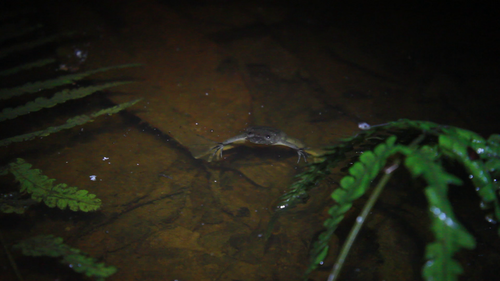
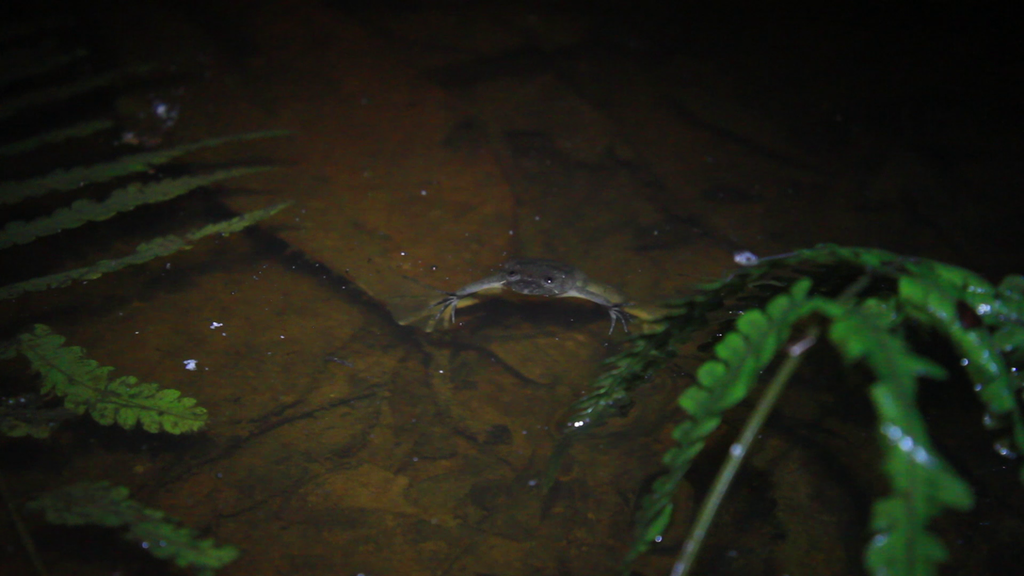
—observations
—countries
—peak records
Least ConcernConservation statusIUCN Red List categoriesLCNTVUENCREWEXLeast ConcernRed List categories, explained →
Diet & preyMosquito larvae, Aquatic worms, Small crustaceans
Predators
- Aquatic water snakes
- Wading birds
- Predatory freshwater fish
ThreatsDeforestation, pollution of freshwater bodies, and chytrid fungus infection
HabitatsShallow rainforest pools, slow-moving streams, swampy margins, and flooded forests
Life span5–10 years
Classification
- FamilyPipidae
- SpeciesXenopus tropicalis
Range data is not available yet.
Interaction riskLow
- Low
- Moderate
- High
- Very high
- Why interaction risk is low
- Safe to observe at a normal distance.
Responsible observation
- Observation: Look into clear, shallow forest pools at night with a flashlight to spot active foragers.
- Hygiene: Wash hands thoroughly after touching aquarium water to maintain proper biosecurity.
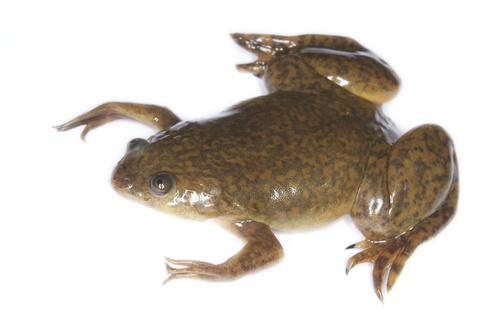
Close Relative (c) Brian Gratwicke, some rights reserved (CC BY) · cc-by Image unavailable
Close Relative 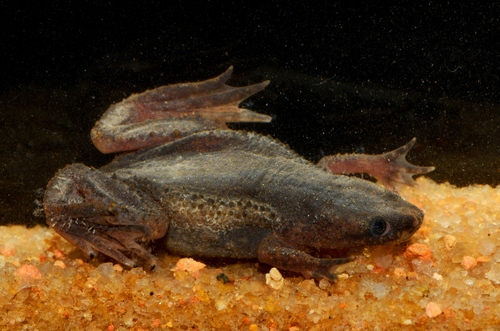
Same Family no rights reserved, uploaded by Marius Burger · cc0
Help improve the field guideSomething wrong?
Checking your Fauna account…Report a name, category, or profile issue for review.