
Fungus · GBIF taxon 8690832
Purplepore Bracket
Trichaptum abietinumAlso known as Purple Pore Polypore, Violet Pore Bracket
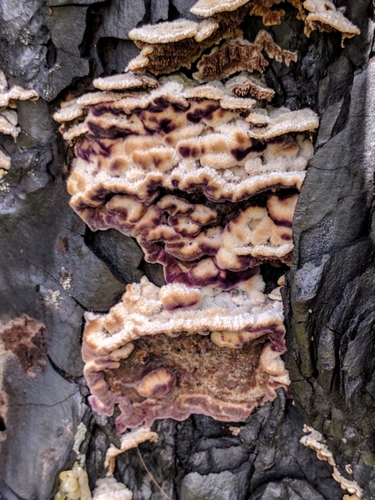
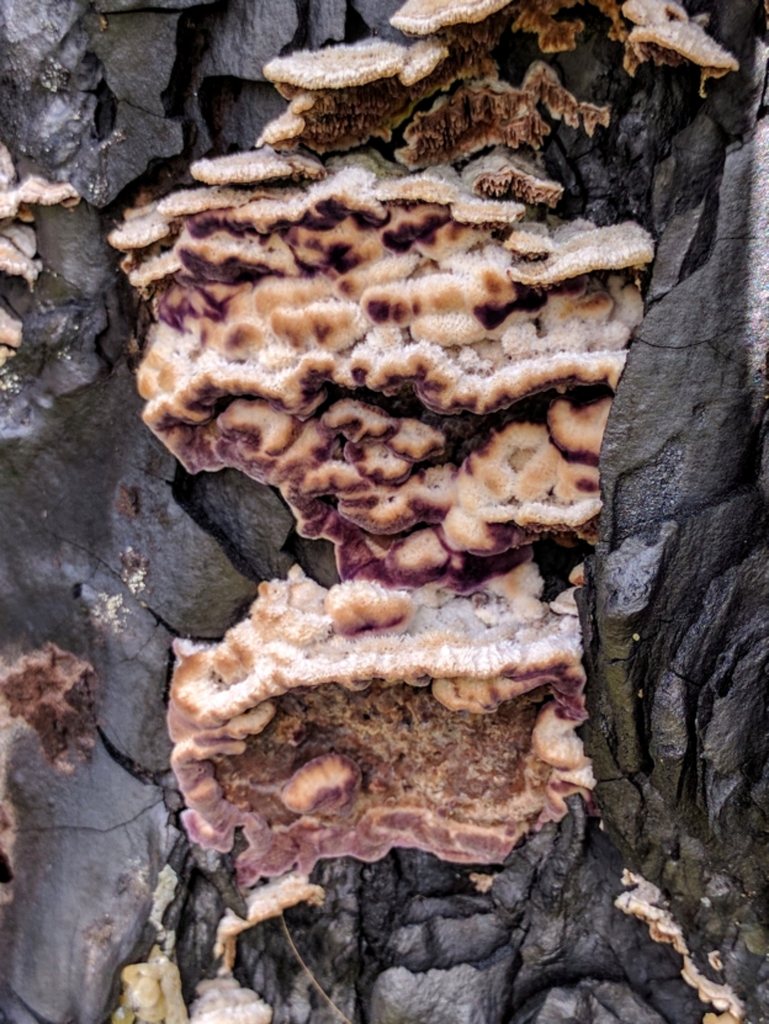
Purplepore brackets form thin, semicircular shelves that carpet decaying conifer logs in dense, overlapping rows. Fresh specimens feature a strikingly vivid violet to purple pore layer underneath, which gradually fades to greyish-brown as the fruiting body matures. As vital saprotrophs, they break down dead wood components, recycling essential nutrients back into the forest soil.
SaprophyticShelf FungusWood-Decayer
 1 / 7
1 / 7—observations
—countries
—peak records
Not EvaluatedConservation statusIUCN Red List categoriesLCNTVUENCREWEXNot Evaluated — not placed on the risk ladderRed List categories, explained →
Diet & prey
- Saprophytic (decomposes dead wood, primarily conifers)
Predators
- Fungus Beetles
- Slugs
- Springtails
ThreatsIntensive forestry practices that remove deadwood and coarse debris
HabitatsConiferous and mixed forests, growing on fallen pine, spruce, and fir logs or stumps
Life spanFruit bodies persist for several months up to a year
Size / weightNot available
Classification
- OrderHymenochaetales
- FamilyHymenochaetaceae
- GenusTrichaptum
- SpeciesTrichaptum abietinum
Range data is not available yet.
Interaction riskLow
- Low
- Moderate
- High
- Very high
- Why interaction risk is low
- Many edible mushrooms have toxic look-alikes; never eat wild fungi based on app identification alone.
Responsible observation
- Check the underside: Look closely at young specimens to catch the vibrant purple pore surface before it fades.
- Inspect the host wood: Confirm the bracket is growing on decaying pine, spruce, or fir timber.
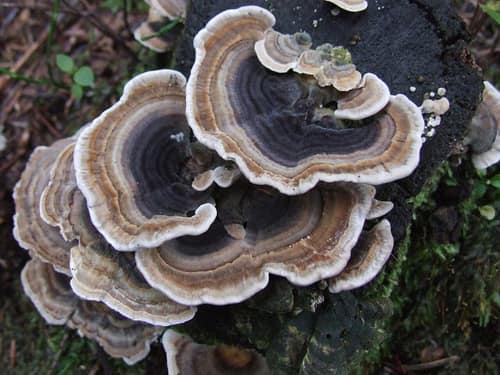
Ecological Neighbor Jerzy Opioła / CC BY-SA 3.0 · cc-by-sa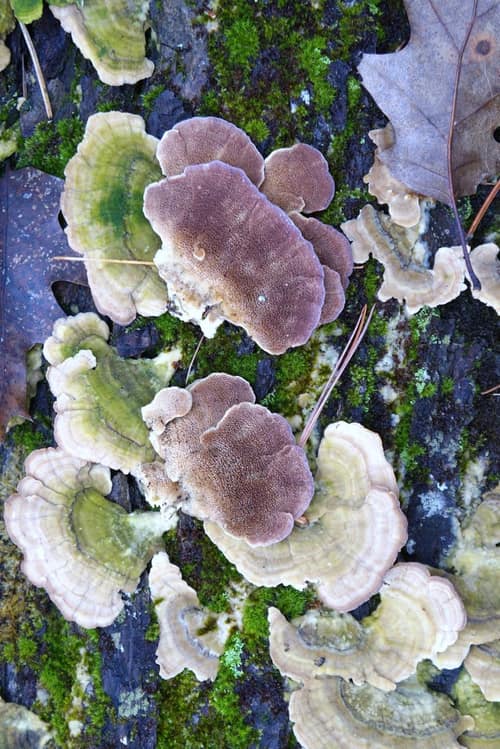
Close Relative (c) Erlon Bailey, some rights reserved (CC BY-SA), uploaded by Erlon Bailey · cc-by-sa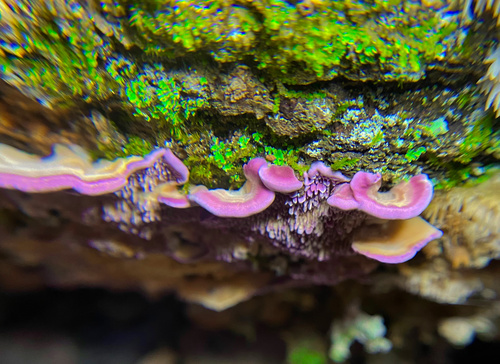
Close Relative (c) Eli Talhouk, some rights reserved (CC BY), uploaded by Eli Talhouk · cc-by
Help improve the field guideSomething wrong?
Checking your Fauna account…Report a name, category, or profile issue for review.