
Flower
Silk Floss Tree
Ceiba speciosaAlso known as Floss Silk Tree, Palo Borracho, Paineira, Toborochi
Silk floss trees command attention with bottle-shaped green trunks studded in stout conical spines that store water through extended droughts. During late summer and autumn, bare or lightly leafed branches erupt into large, hibiscus-like blossoms of creamy ivory and magenta that attract hummingbirds and monarch butterflies. As the blooming ends, heavy woody capsules rupture to release drifts of silky white fibers carrying tiny wind-borne seeds.
DeciduousFloweringDrought-tolerant
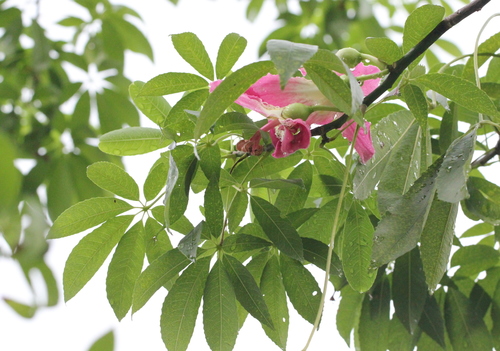
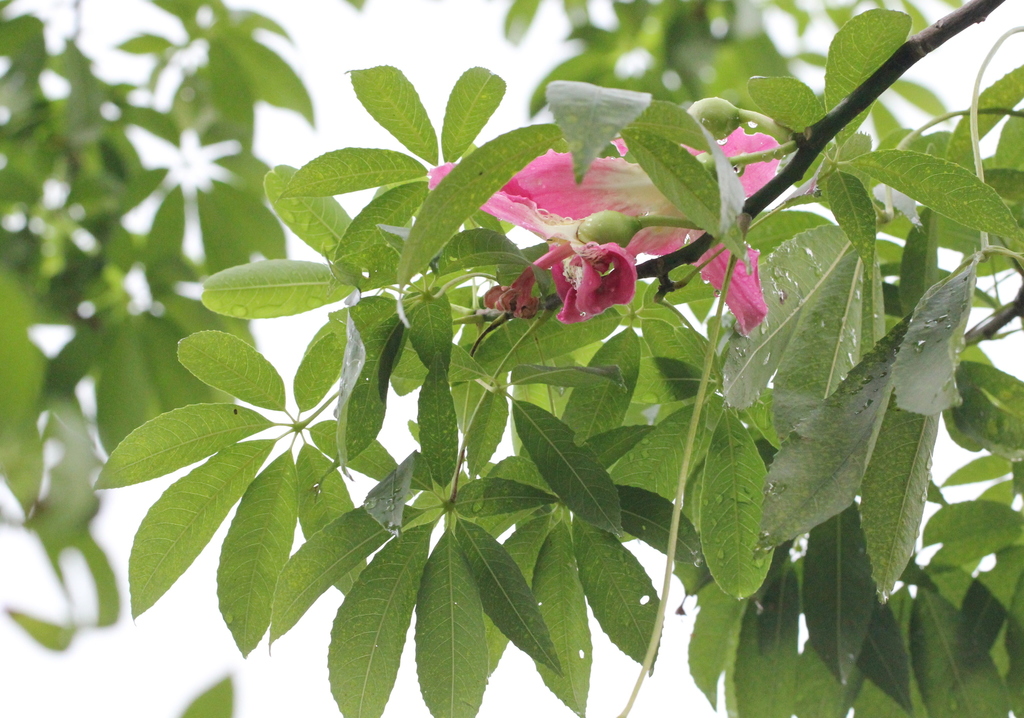
—observations
—countries
—peak records
Least ConcernConservation statusIUCN Red List categoriesLCNTVUENCREWEXLeast ConcernRed List categories, explained →
Diet & preyPhotosynthetic (autotroph)
Predators
- Stem-boring beetles
- Scale insects
- Spider mites
ThreatsDeforestation, land clearing for cattle ranching, and extreme freezing events
HabitatsTropical and subtropical dry forests, scrublands, riverbanks, and urban parks
Life span60–100 years
Classification
- OrderMalvales
- FamilyMalvaceae
- GenusCeiba
- SpeciesCeiba speciosa
Range data is not available yet.
Interaction riskLow
- Low
- Moderate
- High
- Very high
- Why interaction risk is low
- Sharp, conical prickles coat the trunk; avoid touching or climbing the tree.
Responsible observation
- Trunk Caution: Keep hands and climbing gear away from the sharp, thick spines studding the bark.
- Best Viewing: Visit during late summer through mid-autumn to see the crown smothered in pink blossoms.
- Seed Silk: Watch for splitting green pods in spring as cotton-like fluffs disperse across the ground.
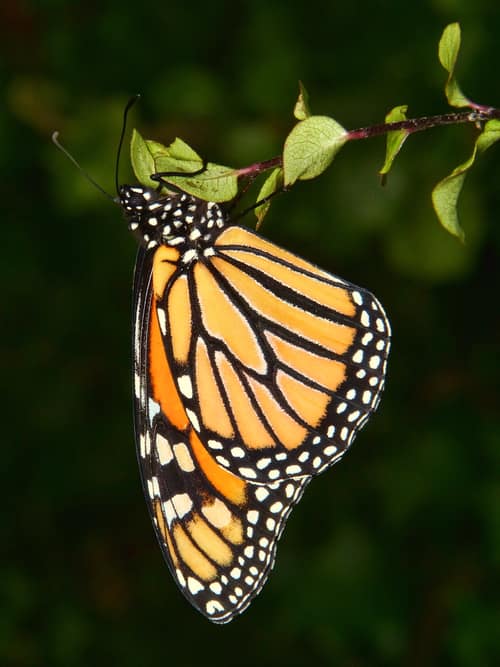
Pollinator Sid Mosdell from New Zealand / CC BY 2.0 · cc-by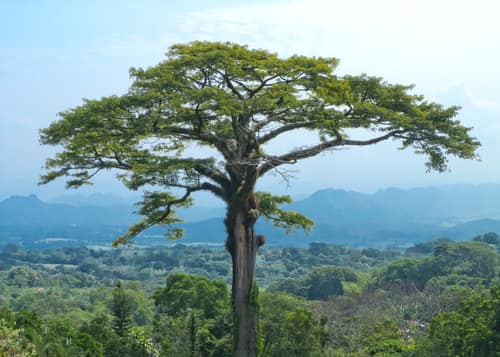
Close Relative no rights reserved, uploaded by Manuel Ortiz · cc0 Image unavailable
Close Relative 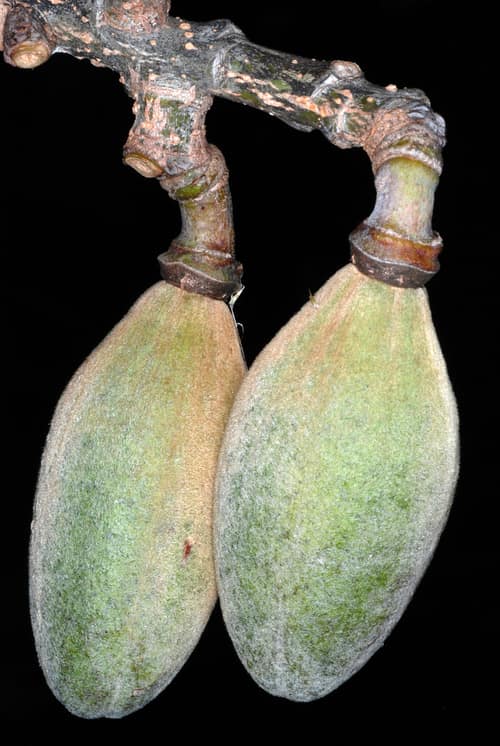
Same Subfamily (c) Douglas Goldman, some rights reserved (CC BY-SA), uploaded by Douglas Goldman · cc-by-sa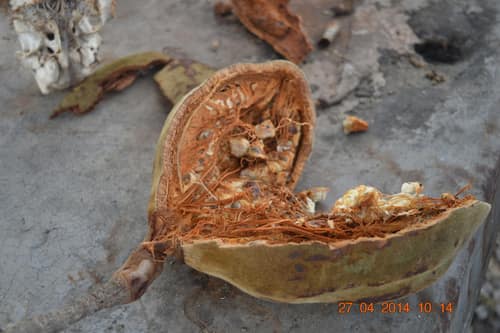
Same Subfamily (c) Karthik Thrikkadeeri, some rights reserved (CC BY), uploaded by Karthik Thrikkadeeri · cc-by
Help improve the field guideSomething wrong?
Checking your Fauna account…Report a name, category, or profile issue for review.