
Plant · GBIF taxon 8677924
Japanese Cheesewood
Pittosporum tobiraAlso known as Japanese Pittosporum, Mock Orange, Australian Laurel
Japanese cheesewood forms dense, rounded evergreen mounds cloaked in glossy, leathery leaves with revolute margins that curl slightly downward. In mid-spring, terminal clusters of creamy white flowers open with an intense citrus perfume, gradually aging to rich ivory-yellow before giving way to woody three-valved capsules. When these fruits split in autumn, they expose bright red seeds coated in a viscous, resinous pulp that clings to foraging birds for seed dispersal.
EvergreenFragrantCoastal
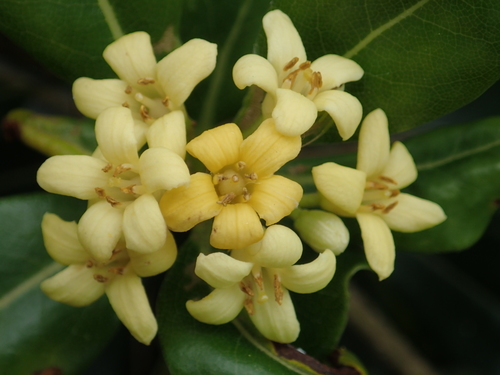
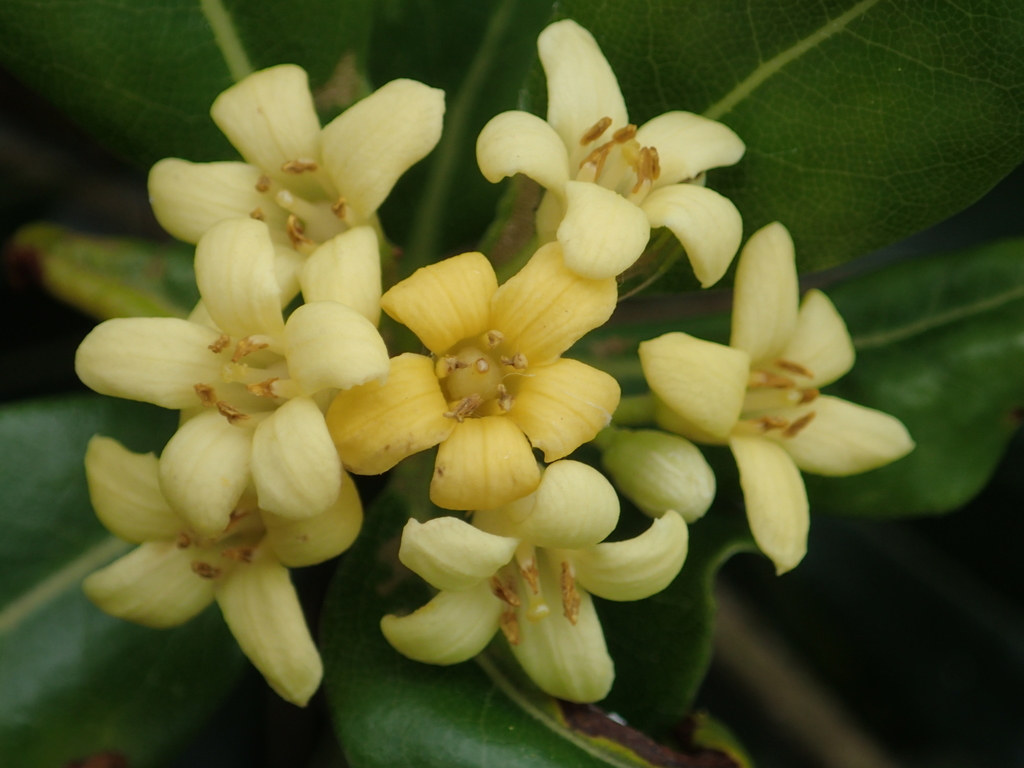
—observations
—countries
—peak records
Least ConcernConservation statusIUCN Red List categoriesLCNTVUENCREWEXLeast ConcernRed List categories, explained →
Diet & prey
- Autotrophic (photosynthetic)
Predators
- Cottony cushion scale
- Brown soft scale
- Citrus mealybug
ThreatsCoastal development, scale insect infestations, and fungal leaf spot
HabitatsCoastal scrub, maritime bluffs, limestone cliffs, and urban landscapes
Life span30–50 years
Size / weightNot available
Classification
- OrderApiales
- FamilyPittosporaceae
- GenusPittosporum
- SpeciesPittosporum tobira
Range data is not available yet.
Interaction riskHigh
- Low
- Moderate
- High
- Very high
- Why interaction risk is high
- Safe to observe at a normal distance.
Responsible observation
- Fragrance: Visit blooming shrubs on warm spring afternoons when the citrus-scented blossoms are most aromatic.
- Seed Dispersal: Check splitting capsules in late autumn to see the sticky red seeds that give the genus its name.
- Coastal Landscaping: Use as an effective salt-tolerant windbreak in seaside gardens where other shrubs fail.
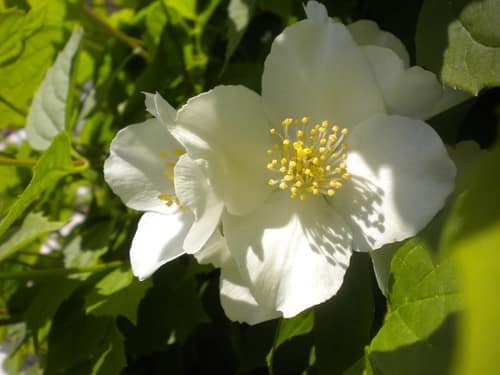
Look-alike (c) candiru, some rights reserved (CC BY) · cc-by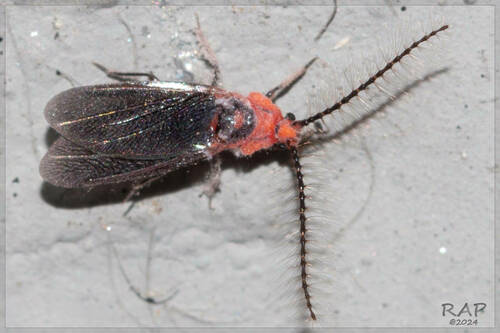
Parasite (c) RAP, some rights reserved (CC BY) · cc-by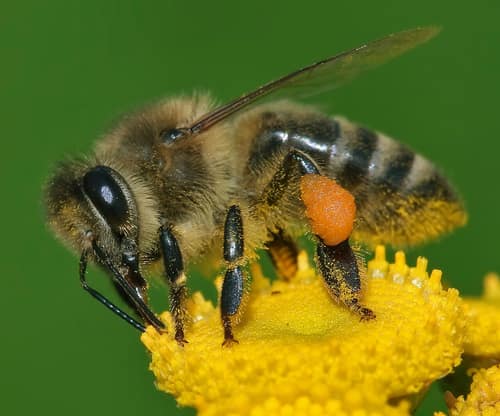
Pollinator Andreas Trepte / CC BY-SA 2.5 · cc-by-sa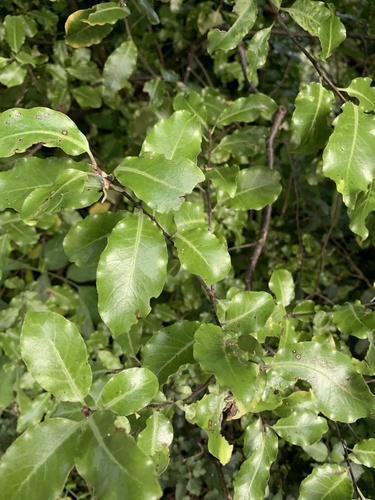
Close Relative (c) David Orlovich, some rights reserved (CC BY), uploaded by David Orlovich · cc-by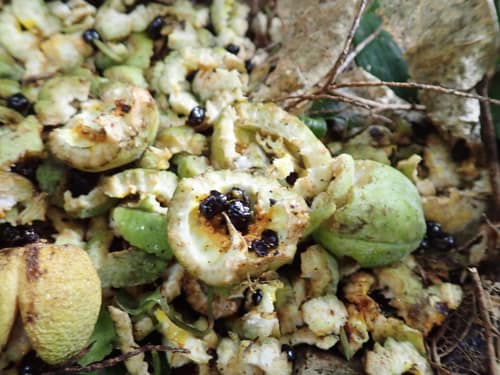
Close Relative no rights reserved, uploaded by Jenny Christianson · cc0
Help improve the field guideSomething wrong?
Checking your Fauna account…Report a name, category, or profile issue for review.