
Insect · GBIF taxon 8673167
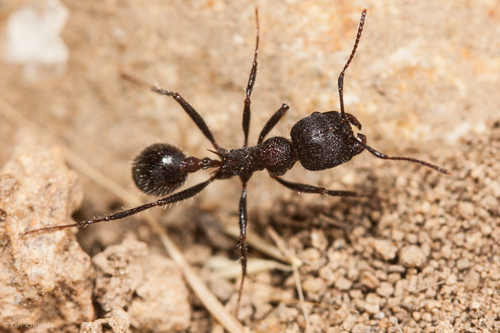
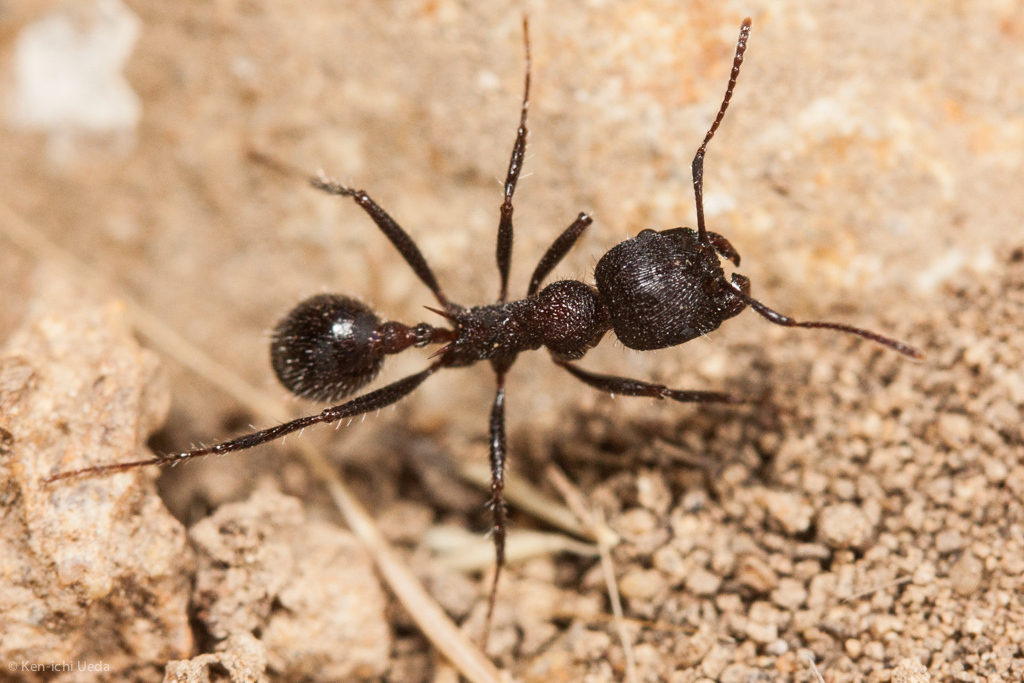
Andre's Harvester Ant
Veromessor andreiAndre's harvester ants form bustling underground colonies that process vast quantities of native grass and flower seeds across arid western landscapes. Workers march along prominent cleared highways stripped of vegetation, carrying seeds and dead insects back to subterranean granaries. These resilient ants help distribute native plant seeds while serving as a primary food source for desert reptiles like horned lizards.
HarvesterSeed CollectorSocial Insect
 1 / 7
1 / 7—observations
—countries
—peak records
Not EvaluatedConservation statusIUCN Red List categoriesLCNTVUENCREWEXNot Evaluated — not placed on the risk ladderRed List categories, explained →
Diet & prey
- Grass seeds
- Wildflower seeds
- Dead insects
Predators
- Coast Horned Lizard
- Spiders
- Robber Flies
ThreatsHabitat loss, urban development, and competition from invasive Argentine ants
HabitatsChaparral, coastal sage scrub, oak woodland, and arid grasslands
Life spanQueens 10–15 years; workers 1–2 years
Size / weightNot available
Classification
- OrderHymenoptera
- FamilyFormicidae
- GenusVeromessor
- SpeciesVeromessor andrei
Range data is not available yet.
Interaction riskVery high
- Low
- Moderate
- High
- Very high
- Why interaction risk is very high
- Can bite or sting defensively if nest mounds are stepped on; observe foraging trails from a respectful distance.
Responsible observation
- Spotting Trails: Look for cleared dirt highways radiating out from nest entrances during cooler morning hours.
- Nest Etiquette: Avoid standing directly on nest entrances or established foraging pathways to prevent defensive stings.
- Seed Identification: Watch returning workers to see which local grasses and wildflowers they are harvesting.
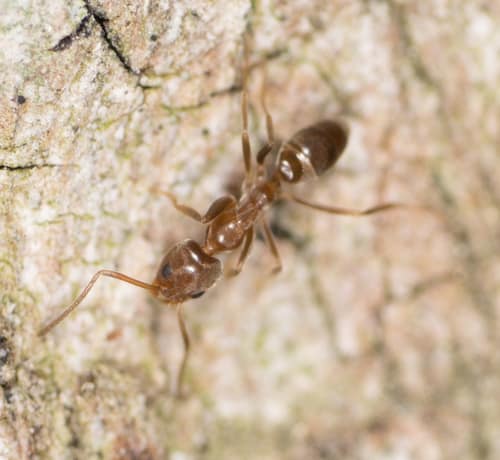
Competitor no rights reserved, uploaded by Jesse Rorabaugh · cc0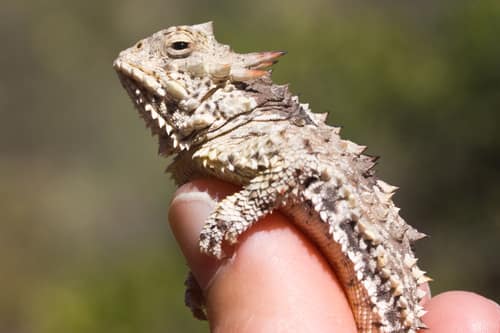
Predator (c) Ken-ichi Ueda, some rights reserved (CC BY) · cc-by Image unavailable
Close Relative
Help improve the field guideSomething wrong?
Checking your Fauna account…Report a name, category, or profile issue for review.