
Amphibian
Rhinesuchus whaitsi
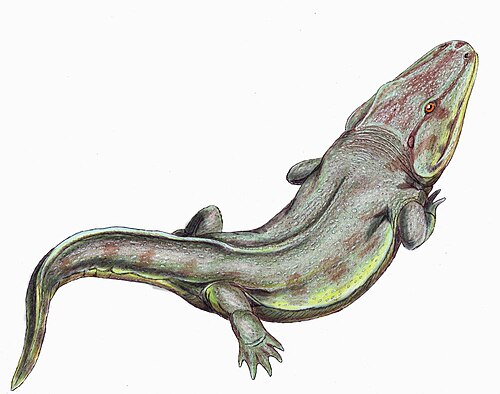
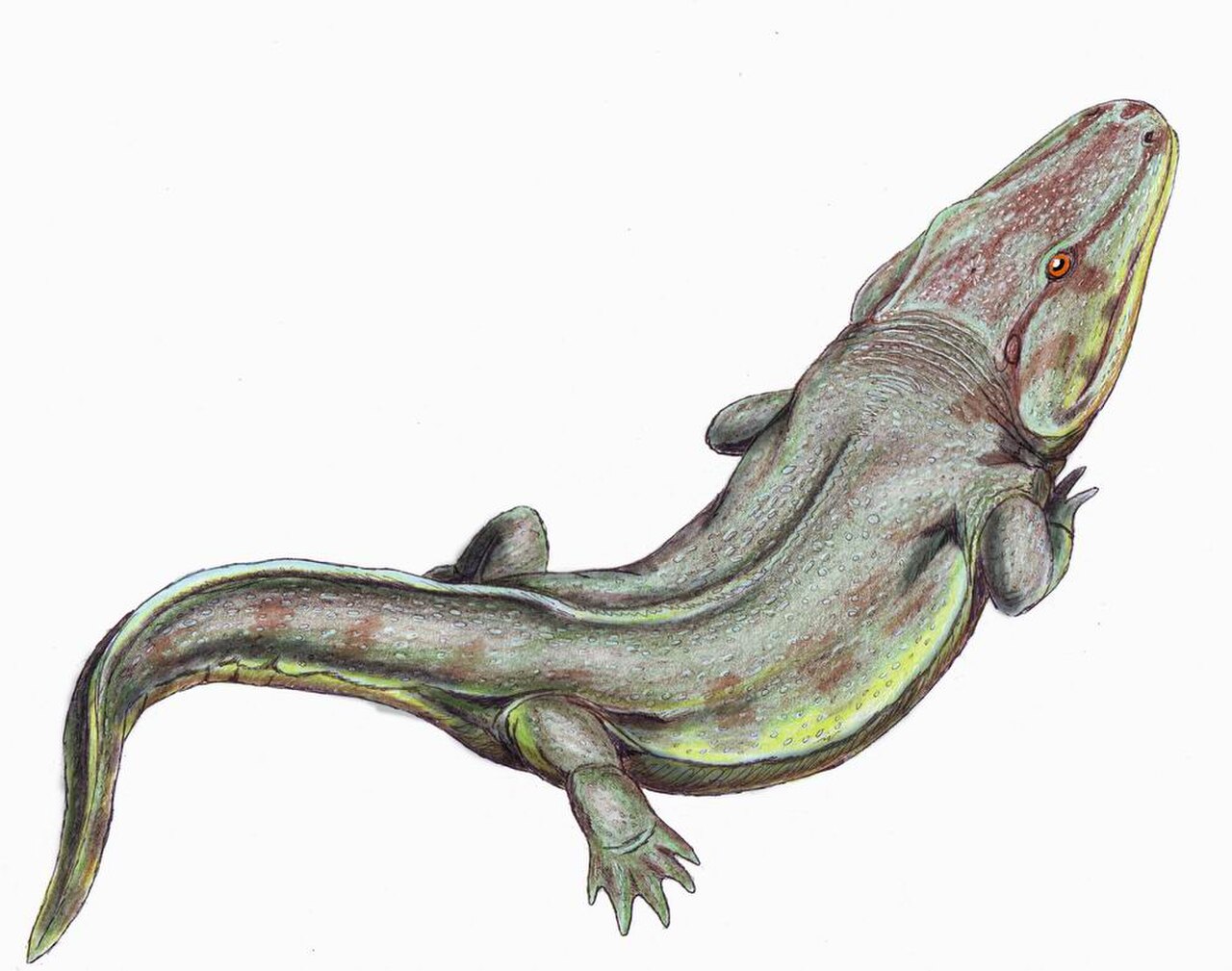
Rhinesuchus whaitsiRhinesuchus whaitsi prowled freshwater riverways and floodplains during the Late Permian, occupying an ecological role closely resembling modern crocodilians. Its dorsoventrally flattened skull supported upward-facing eyes, allowing the predator to lie submerged while surveying open water above for passing targets. A broad palate lined with dense clusters of sharp denticles ensured thrashing, slippery fish could not escape before being swallowed whole.
PrehistoricAquaticCarnivorous
—observations
—countries
—peak records
ExtinctConservation statusIUCN Red List categoriesLCNTVUENCREWEXExtinctRed List categories, explained →
Diet & preyPalaeoniscoid fish, Small aquatic amphibians, Juvenile dicynodonts
Predators
- Gorgonopsians
- Large therocephalians
ThreatsClimatic aridification, Permian-Triassic extinction event
HabitatsPermian freshwater river systems, lakes, and floodplains
Life span15–30 years (estimated)
Classification
- FamilyRhinesuchidae
- SpeciesRhinesuchus whaitsi
Range data is not available yet.
Interaction riskLow
- Low
- Moderate
- High
- Very high
- Why interaction risk is low
- Extinct prehistoric species known only from fossil remains.
Responsible observation
- Fossil Identification: Look for broad, spade-like skulls covered in distinctive pitted dermal ornamentation.
- Museum Examination: Inspect the palate on fossil mounts to view the expansive sheets of fine grasping teeth.
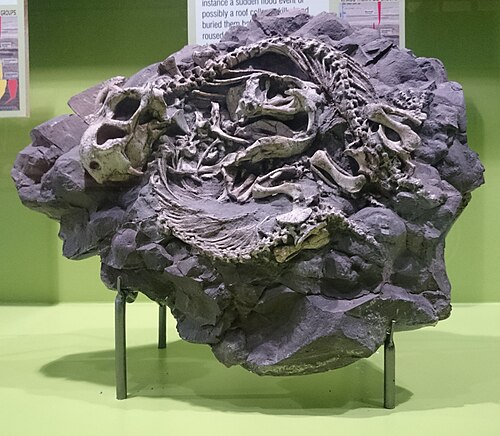
Potential Prey Nkansahrexford / CC BY 3.0 · cc-by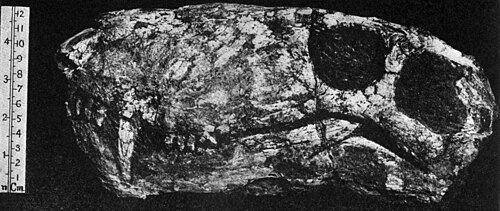
Co-occurring Predator Robert Broom / Public domain · cc0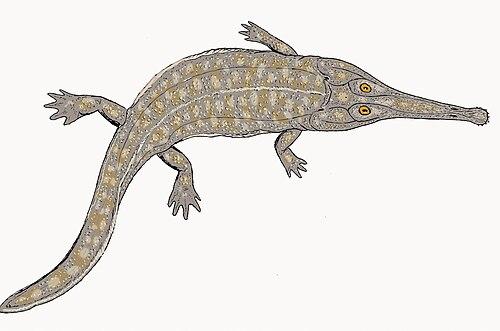
Close Relative Dmitry Bogdanov / CC BY-SA 3.0 · cc-by-sa
Help improve the field guideSomething wrong?
Checking your Fauna account…Report a name, category, or profile issue for review.