
Invertebrate
Arthropleura armata
Arthropleura armataAlso known as Giant Millipede
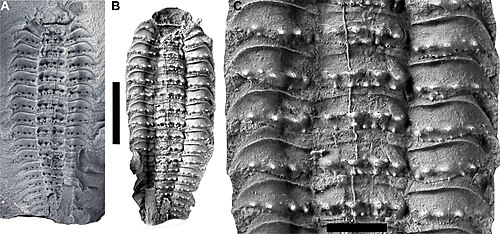
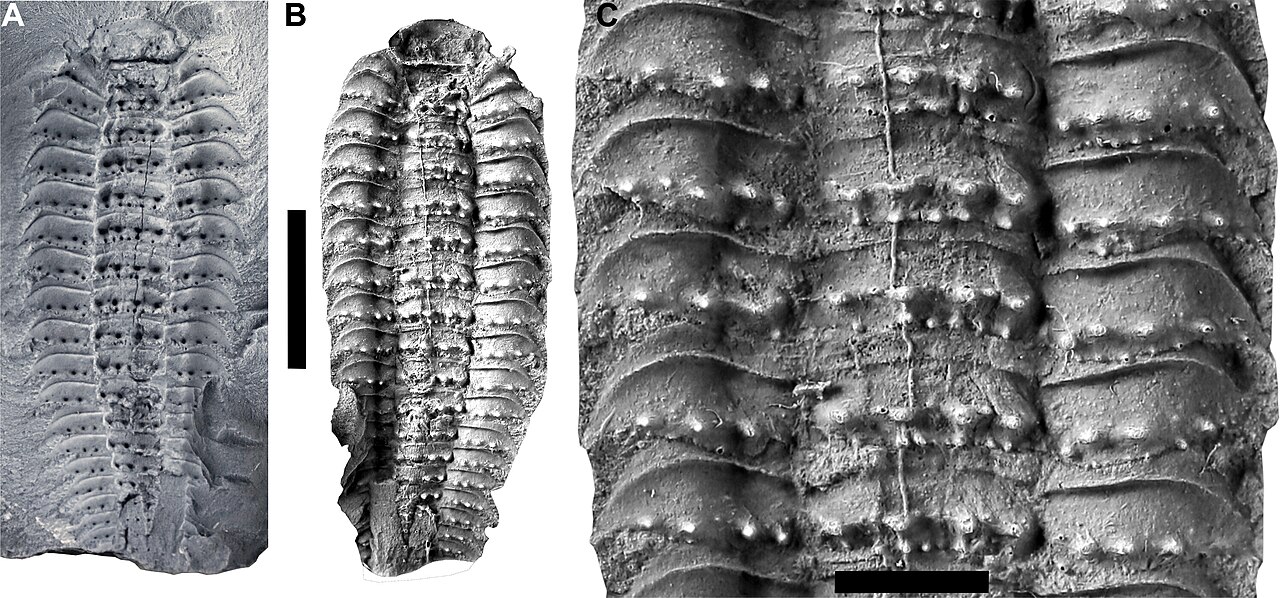
Crawling across the equatorial floodplains and open swamp margins of the Carboniferous, this armored giant was the largest terrestrial arthropod ever discovered. Over thirty tough tergite plates shielded its broad body as dozens of paired legs propelled it steadily over damp sediment, creating distinctive ribbon-like trackways up to half a meter wide. Sustained by high atmospheric oxygen and rich vegetation like club mosses and ferns, it dominated late Paleozoic ground ecosystems until shifting climates dried out its wetland strongholds.
PrehistoricInvertebrate
—observations
—countries
—peak records
ExtinctConservation statusIUCN Red List categoriesLCNTVUENCREWEXExtinctRed List categories, explained →
Diet & preyLycopsid spores, Fern foliage, Decaying plant matter
Predators
- Large temnospondyl amphibians
- Early tetrapods
ThreatsRainforest collapse and aridification during the early Permian
HabitatsCarboniferous coal swamps, river floodplains, and open delta woodlands
Life spanUnknown (estimated 10–25 years)
Classification
- FamilyArthropleuridae
- SpeciesArthropleura armata
Range data is not available yet.
Interaction riskLow
- Low
- Moderate
- High
- Very high
- Why interaction risk is low
- Extinct prehistoric species; entirely safe to examine in museum collections and fossil beds.
Responsible observation
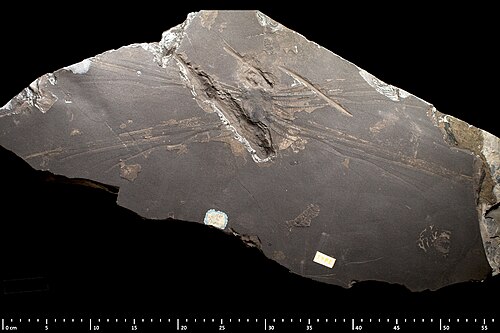
- Fossil viewing: Look for massive parallel trackways called Diplichnites preserved in Carboniferous sandstone.
- Museum observation: Inspect cast skeletal slabs in natural history exhibits to study the interlocking dorsal plates.
- Field identification: Distinguish fossil molds from plant material by looking for symmetrical overlapping segments.
Contemporary Gaëlle Doitteau & Sandra DAILLIE / CC BY 4.0 · cc-by
Contemporary Junnn11 / CC BY-SA 4.0 · cc-by-sa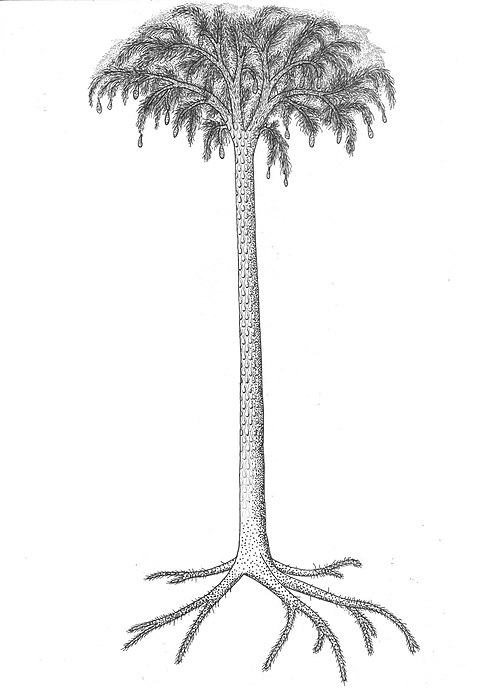
Food Source Falconaumanni / CC BY-SA 3.0 · cc-by-sa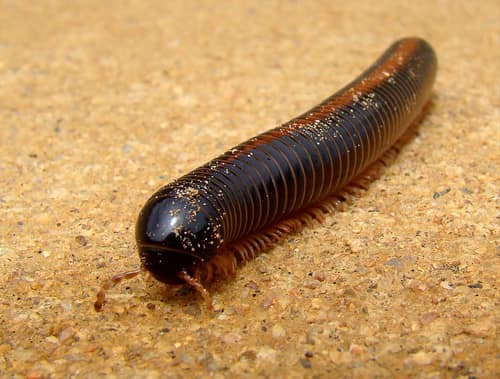
Living Relative Bjørn Christian Tørrissen / CC BY-SA 3.0 · cc-by-sa
Help improve the field guideSomething wrong?
Checking your Fauna account…Report a name, category, or profile issue for review.