
Invertebrate · GBIF taxon 8646715
Tullimonstrum gregarium
Tullimonstrum gregariumAlso known as Tully Monster, Tully's Monster
Propelling itself through ancient tropical estuaries with a flexible muscular tail, this enigmatic predator wielded eyes perched on rigid lateral stalks and a remarkably long, flexible proboscis tipped with a claw-like grasping organ. Fossilized remains preserved within siderite ironstone concretions show it was an active open-water hunter that plucked prey from soft muddy substrates. Its unusual mosaic of anatomical features continues to fuel intense scientific debate over whether it belongs among early vertebrates or soft-bodied invertebrates.
CarnivorousPrehistoric
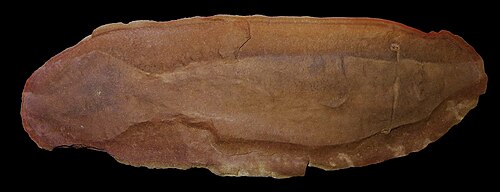
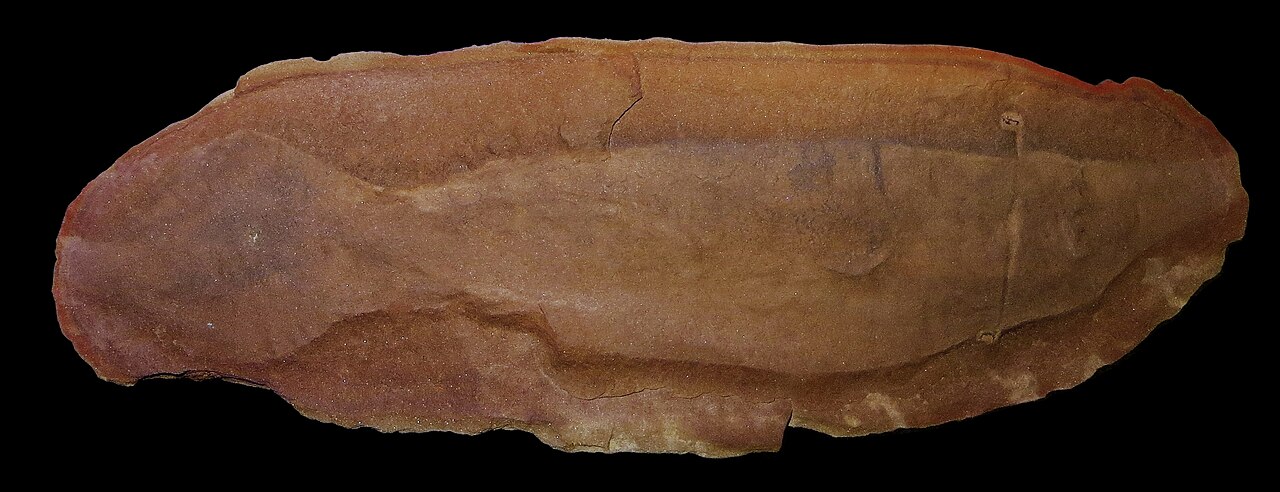
Licensed referenceGhedoghedo / CC BY-SA 3.0 · cc-by-sa
—observations
—countries
—peak records
ExtinctConservation statusIUCN Red List categoriesLCNTVUENCREWEXExtinctRed List categories, explained →
Diet & prey
- Polychaete worms
- Small crustaceans
- Soft-bodied larvae
Predators
- Early elasmobranch sharks
- Large nautiloids
- Amphibian tetrapods
ThreatsLate Paleozoic environmental shifts and marine regression
HabitatsTropical coastal estuaries, muddy marine bays, and brackish deltas
Life spanUnknown; likely 1–3 years
Size / weightNot available
Classification
- FamilyTullimonstridae
- GenusTullimonstrum
- SpeciesTullimonstrum gregarium
Range data is not available yet.
Interaction riskLow
- Low
- Moderate
- High
- Very high
- Why interaction risk is low
- Extinct species; known exclusively from Pennsylvanian fossil concretions.
Responsible observation
- Fossil hunting: Collect unopened siderite nodules from spoil heaps and split them using freeze-thaw cycles.
- Museum study: View exceptional soft-tissue holotypes on display at the Field Museum in Chicago.
 Image unavailable
Frequent Companion Ecological Neighbor Co-occurring Predator
Help improve the field guideSomething wrong?
Checking your Fauna account…Report a name, category, or profile issue for review.