
Reptile · GBIF taxon 8615718
Eastern Brown Snake
Pseudonaja textilisAlso known as Common Brown Snake
The Eastern Brown Snake is a slender fast-moving elapid whose upper color ranges from pale tan through dark brown, while the cream belly often bears orange or gray marks. It hunts rodents and other small vertebrates by day across open country and settled landscapes.
Elapid SnakeDiurnal HunterHighly Venomous
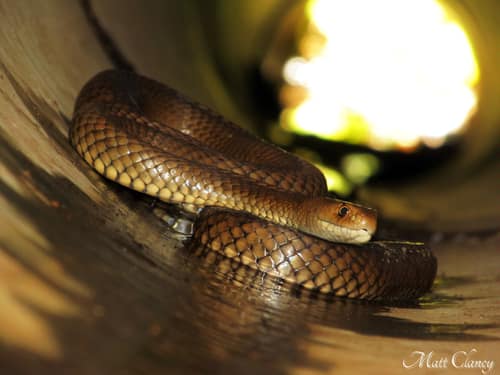
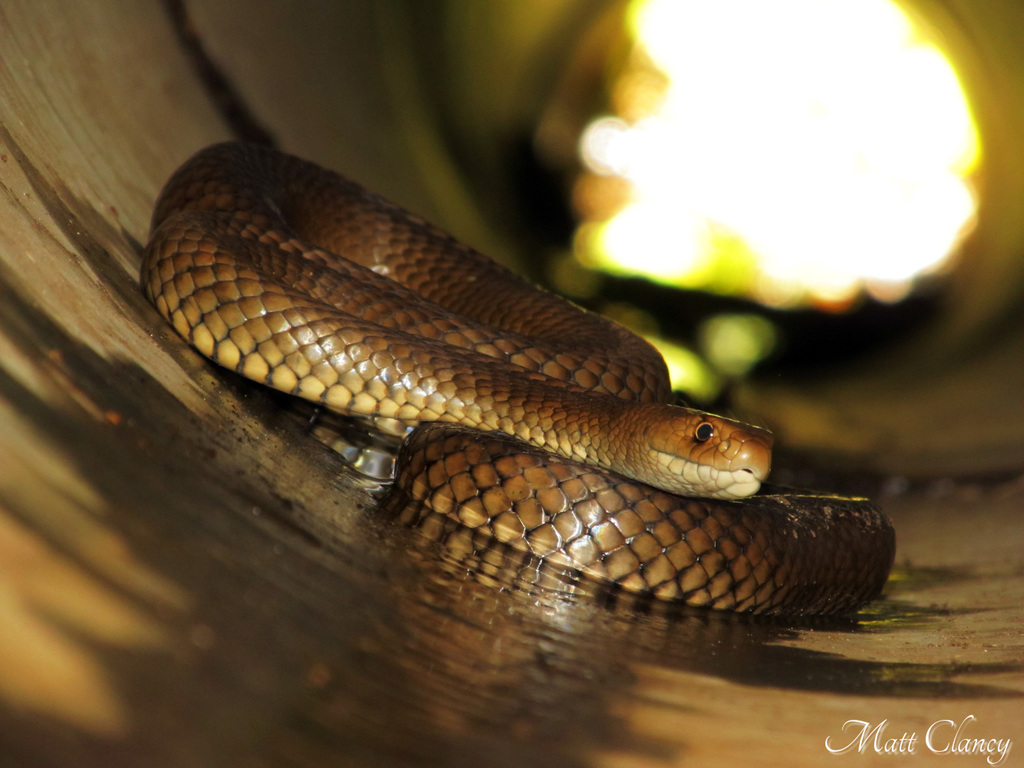
—observations
—countries
—peak records
Least ConcernConservation statusIUCN Red List categoriesLCNTVUENCREWEXLeast ConcernRed List categories, explained →
Diet & prey
- House mice
- Lizards
- Frogs
Predators
- Birds of prey
- Monitor lizards
- Feral cats
ThreatsRoad mortality, deliberate killing, rodenticide exposure, habitat loss, and entanglement in netting
HabitatsGrassland, open woodland, farmland, scrub, dry forest margins, and suburban or industrial edges
Life spanLikely 10 to 15 years in the wild, with longer survival possible under managed care
Size / weightNot available
Classification
- FamilyElapidae
- SpeciesPseudonaja textilis
Range data is not available yet.
Interaction riskVery high
- Low
- Moderate
- High
- Very high
- Why interaction risk is very high
- Its bite can cause rapidly life-threatening envenomation; keep far away and seek emergency treatment after any suspected bite.
- Why it is dangerous
- Eastern Brown Snake venom contains powerful clotting toxins and neurotoxins, and severe effects can develop before the bite site looks dramatic.
- How to recognize a risky encounter
- Treat any slender alert brown snake in its range as potentially dangerous because adults vary greatly and juveniles may be banded.
- What to do
- Never approach, corner, capture, or kill it; after a bite, remain still, apply approved pressure immobilization, and summon emergency care.
Responsible observation
- Distance: Stop at least five meters away and give the snake a broad escape route.
- Movement: Back away slowly without trying to photograph from a closer position.
- Emergency: Call emergency services immediately after a suspected bite and follow local first-aid guidance.
Help improve the field guideSomething wrong?
Checking your Fauna account…Report a name, category, or profile issue for review.