
Species · GBIF taxon 8611161
Cephalaspis lyellii
Cephalaspis lyelliiCephalaspis lyellii patrolled the riverbeds and estuarine muds of the Early Devonian, using its horseshoe-shaped head shield to scoop up sediment and uncover food. Specialized sensory fields across the roof of the armored skull likely helped it detect water vibrations or weak electrical signals produced by hidden organisms. As a jawless swimmer propelled by a muscular, scaly tail, it represents a crucial stage in early vertebrate evolution and cranial architecture.
ArmoredPrehistoric
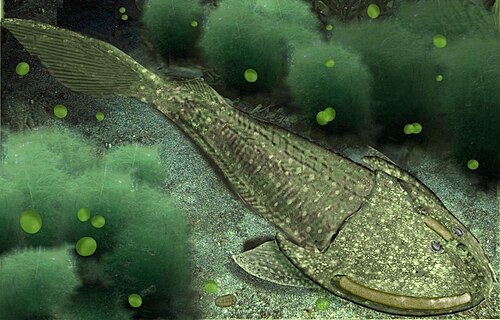
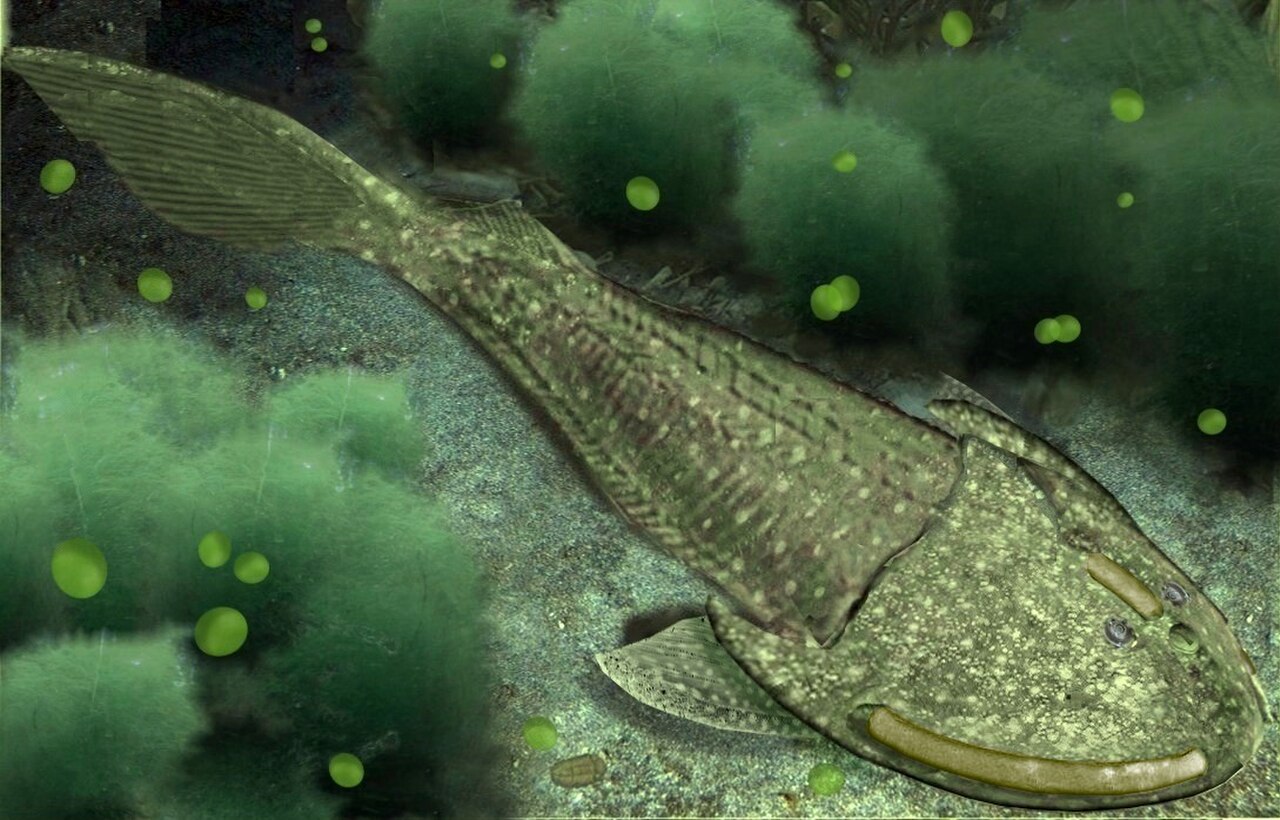
Licensed referenceRod6807 / CC BY-SA 3.0 · cc-by-sa
—observations
—countries
—peak records
ExtinctConservation statusIUCN Red List categoriesLCNTVUENCREWEXExtinctRed List categories, explained →
Diet & prey
- Benthic algae
- Organic detritus
- Microscopic invertebrates
Predators
- Pterygotus anglicus
- Early placoderms
ThreatsEvolutionary displacement by jawed fishes and changing Devonian hydrological regimes
HabitatsFreshwater river systems, floodplains, and estuarine shallows
Life spanUnknown; estimated 3–8 years
Classification
- FamilyCephalaspididae
- GenusCephalaspis
- SpeciesCephalaspis lyellii
Range data is not available yet.
Interaction riskLow
- Low
- Moderate
- High
- Very high
- Why interaction risk is low
- Extinct prehistoric fish; known exclusively from the fossil record.
Responsible observation
- Museum viewing: Examine fossil slabs under angled light to highlight the sensory fields on the head shield.
- Fossil sites: Leave specimens found in Old Red Sandstone deposits undisturbed for scientific study.
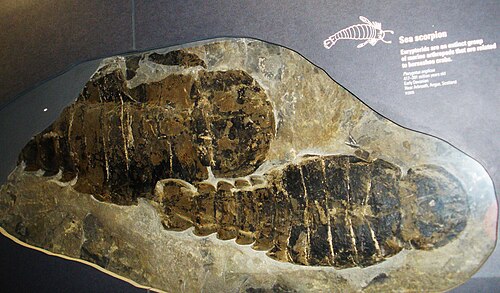
Predator Ghedoghedo / CC BY-SA 3.0 · cc-by-sa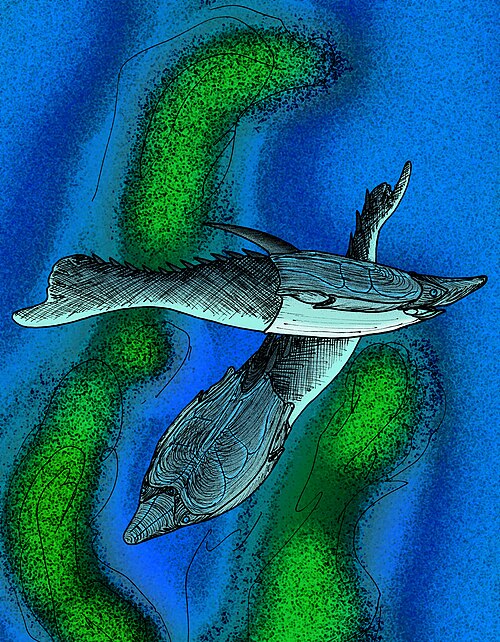
Contemporaneous Relative Apokryltaros / CC BY-SA 4.0 · cc-by-sa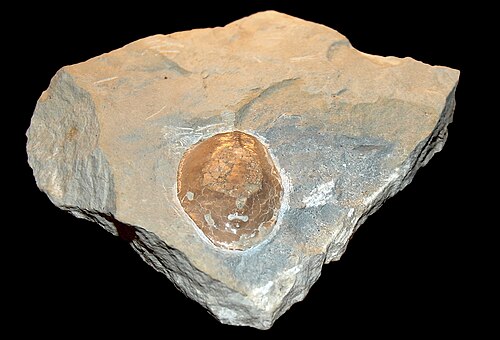
Close Relative Tommy from Arad / CC BY 2.0 · cc-by
Help improve the field guideSomething wrong?
Checking your Fauna account…Report a name, category, or profile issue for review.