
Fish
Leedsichthys problematicus
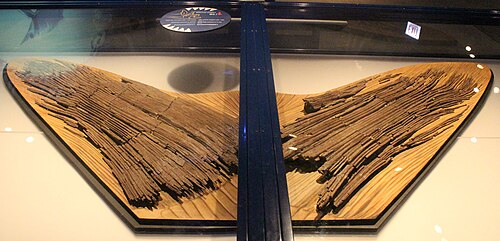
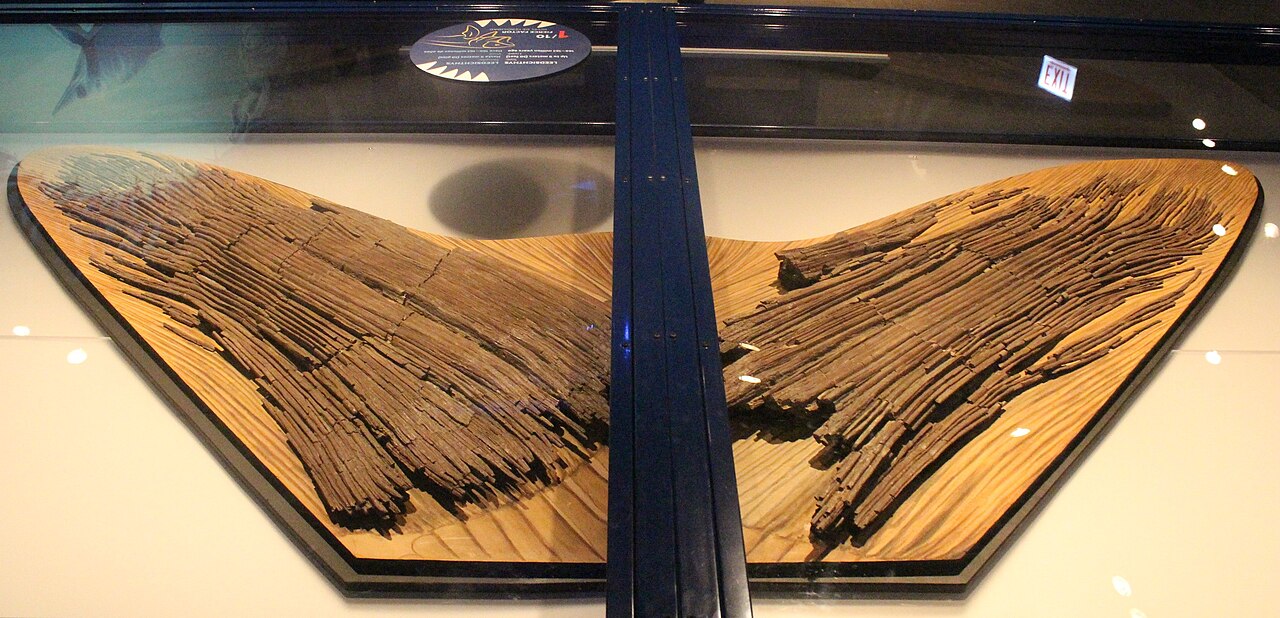
Leedsichthys problematicusLeedsichthys cruised through warm Jurassic shelf seas, using thousands of delicate gill rakers to sieve dense clouds of plankton like a modern baleen whale. Microstructural analysis of its fossilized fin rays and gill baskets reveals steady growth that continued for decades. As the largest ray-finned fish known to science, it pioneered colossal pelagic filter feeding tens of millions of years before the appearance of whale sharks or baleen cetaceans.
FossilMarine
—observations
—countries
—peak records
ExtinctConservation statusIUCN Red List categoriesLCNTVUENCREWEXExtinctRed List categories, explained →
Diet & preyZooplankton, Small crustaceans, Pelagic invertebrate larvae
Predators
- Liopleurodon ferox
- Simolestes vorax
- Metriorhynchus superciliosus
ThreatsPredation by giant pliosaurs and marine reptiles; changing Jurassic ocean currents
HabitatsWarm, shallow epicontinental and shelf marine waters
Life span40–50 years
Classification
- FamilyPachycormidae
- GenusLeedsichthys
- SpeciesLeedsichthys problematicus
Range data is not available yet.
Interaction riskHigh
- Low
- Moderate
- High
- Very high
- Why interaction risk is high
- Extinct prehistoric species known only from fossil remains.
Responsible observation
- Museum Exhibits: Seek out fossilized gill baskets and tail reconstructions in natural history collections.
- Field Paleontology: Follow regional legal permits and quarry safety protocols when searching Jurassic deposits.
 Image unavailable
Predator Scavenger 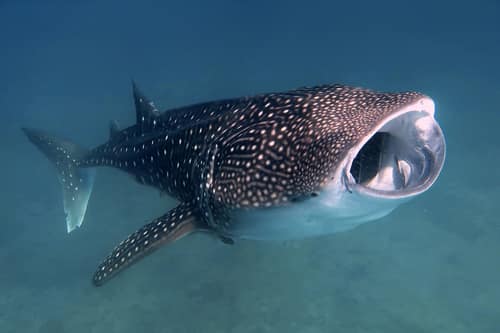
Ecological Analog (c) Daniel Benák, some rights reserved (CC BY), uploaded by Daniel Benák · cc-byClose Relative Close Relative
Help improve the field guideSomething wrong?
Checking your Fauna account…Report a name, category, or profile issue for review.