
Fungus · GBIF taxon 8597577
Reindeer Lichen
Cladonia rangiferinaAlso known as Reindeer Cup Lichen, Grey Reindeer Lichen, Caribou Moss
Reindeer lichen forms dense, intricately branched, greyish-white carpet colonies across boreal forests and arctic tundra. These slow-growing lichens rely on photosynthetic green algae nestled within a fungal matrix to convert sunlight and atmospheric moisture into energy. During dry spells, the delicate branches become extremely brittle and snap easily underfoot, but rapidly regain a soft, spongy texture after rain or snowmelt.
TundraSymbioticFruticose
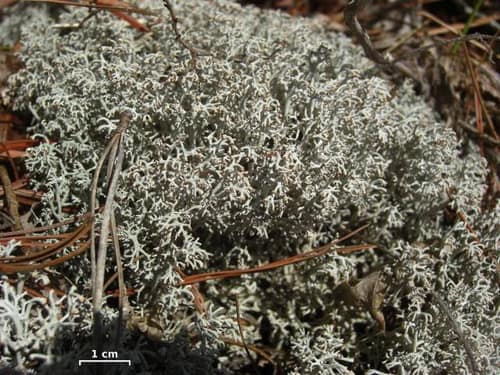
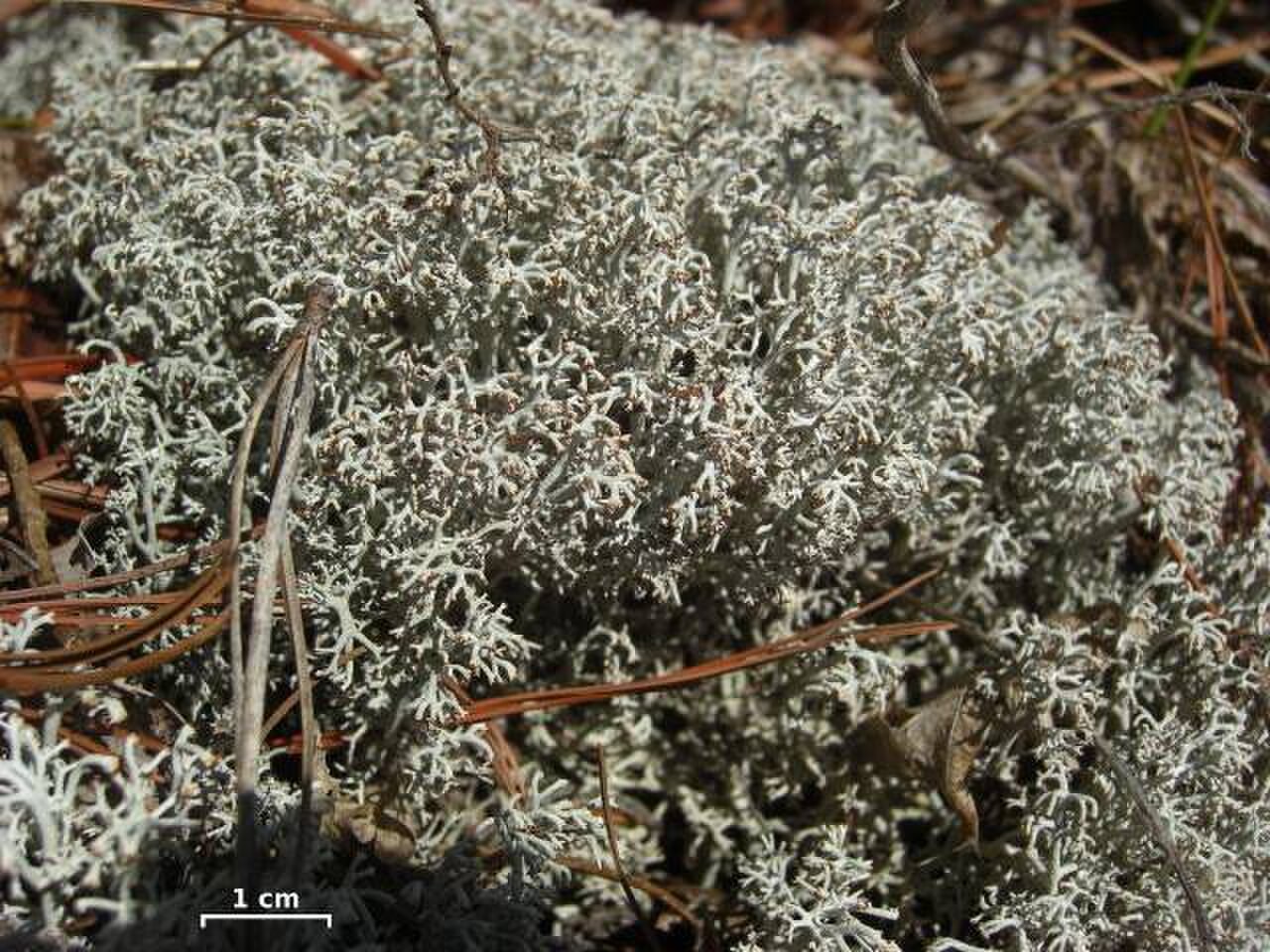
—observations
—countries
—peak records
Not EvaluatedConservation statusIUCN Red List categoriesLCNTVUENCREWEXNot Evaluated — not placed on the risk ladderRed List categories, explained →
Diet & prey
- Autotrophic (photosynthetic algae symbiosis)
Predators
- Reindeer
- Caribou
- Muskoxen
ThreatsHabitat disruption, severe wildfires, climate change, trampling
HabitatsAlpine tundra, boreal forest, pine barrens, rocky tundra
Life spanDecades to over 100 years
Size / weightNot available
Classification
- OrderLecanorales
- FamilyCladoniaceae
- GenusCladonia
- SpeciesCladonia rangiferina
Range data is not available yet.
Interaction riskLow
- Low
- Moderate
- High
- Very high
- Why interaction risk is low
- Safe to observe at a normal distance; avoid trampling brittle mats and never consume wild lichens.
Responsible observation
- Tread carefully: Avoid stepping on dry lichen carpets, which break easily and take years to regrow.
- Inspect the branching: Look for intricate, three-dimensional branches without open cup tops.
- Observe texture changes: Touch gently after rain to feel how dry brittleness shifts to soft elasticity.
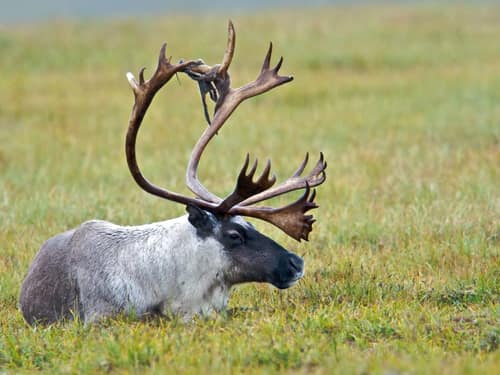
Herbivore (c) Bering Land Bridge National Preserve, some rights reserved (CC BY) · cc-by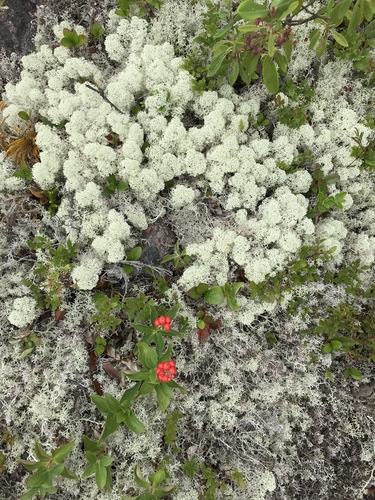
Close Relative (c) Bonnie Semmling, some rights reserved (CC BY), uploaded by Bonnie Semmling · cc-by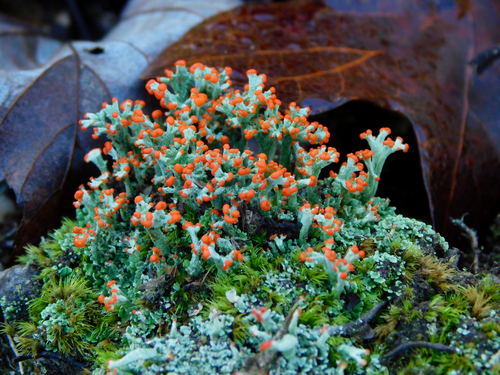
Genus Relative (c) Michael J. Papay, some rights reserved (CC BY), uploaded by Michael J. Papay · cc-by
Help improve the field guideSomething wrong?
Checking your Fauna account…Report a name, category, or profile issue for review.